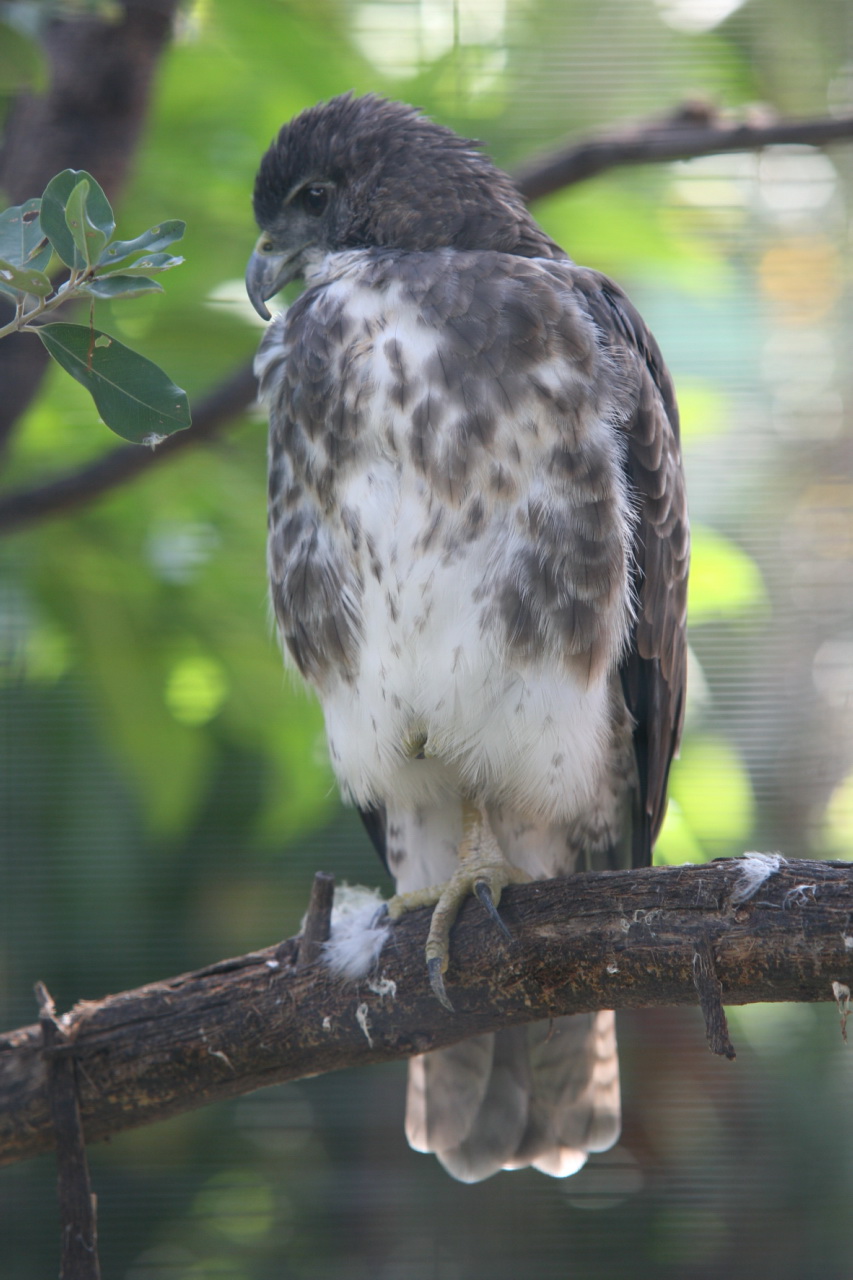
| Appearance | - The species has two distinct plumage morphs, one dark and one light. English Wikipedia
- Adults have yellowish feet and legs, whereas juveniles have greenish feet and legs. English Wikipedia
- Breeding adults may develop a distinctive yellow forecap above the upper mandible. English Wikipedia
| - Adult birds have brownish heads, reddish chests, and pale bellies marked with reddish bars. English Wikipedia
- The adult tail has narrow white bars. English Wikipedia
- Red shoulder feathers are visible when the bird is perched. English Wikipedia
- The upperparts are dark with pale spots, and the legs are long and yellow. English Wikipedia
- Western populations tend to have redder plumage than Florida populations. English Wikipedia
- Florida birds have paler heads and breasts than northern populations. blogs.ifas.ufl.edu
- Juveniles have predominantly white breasts with short dark streaks rather than the adults' red breasts. blogs.ifas.ufl.edu
|
|---|
| Size | - The species measures approximately 40–46 centimetres in length. English Wikipedia
- Females average 605 grams in weight, compared with 441 grams for males. English Wikipedia
| |
|---|
| Habitat | - The species breeds primarily in native ʻōhiʻa forests, where its density and reproductive success are higher than in other habitats. fws.gov
- The species occupies dense native forests as well as agricultural areas. fws.gov
- The species inhabits lowland non-native forests, urban areas, agricultural lands, pasturelands, and high-elevation native forests. dlnr.hawaii.gov
- Some individuals have been recorded in subalpine māmane-naio forests during winter. dlnr.hawaii.gov
| - The species inhabits bottomland hardwood forests, flooded deciduous swamps, and upland mixed deciduous-conifer forests in eastern North America. English Wikipedia
- Western populations inhabit riparian woodlands, oak woodlands, and eucalyptus groves. English Wikipedia
- The species also occurs in some suburban areas where buildings are interspersed with woodland. English Wikipedia
- Breeding habitat consists of deciduous and mixed wooded areas, frequently near water. English Wikipedia
- The species is associated with forests and woodlands, freshwater wetlands, shrublands, savannas, and thickets. audubon.org
|
|---|
| Diet | - The species currently consumes introduced rats, lizards, game birds, and insects. English Wikipedia
- Its present diet includes rats, mice, mongooses, and various bird species. fws.gov
- Its current diet includes non-native insects, birds, and rodents, together with native insects and birds. dlnr.hawaii.gov
- Before the arrival of land mammals, birds probably constituted the species' principal food source. fws.gov
- The species preys on the Hawaiian crow, which is extinct in the wild. English Wikipedia
| - Small mammals, particularly rodents, are the most frequently consumed prey. English Wikipedia
- Common mammalian prey include voles, gophers, mice, moles, and chipmunks. English Wikipedia
- The species also preys on rabbits and tree squirrels. English Wikipedia
- Other prey include amphibians, reptiles, birds, fish, and large insects. English Wikipedia
- Crayfish are an important food source in some parts of the species' range. English Wikipedia
- Juveniles have been observed eating earthworms. blogs.ifas.ufl.edu
|
|---|
| Behaviour | - The species maintains and defends its territory throughout the year. English Wikipedia
- The species generally hunts from stationary positions but can also dive onto prey from the air. English Wikipedia
- The species is an opportunistic predator with versatile feeding habits. English Wikipedia
- The species produces a shrill, high-pitched vocalization. English Wikipedia
- Individuals are particularly noisy during the breeding season. English Wikipedia
- The species forms monogamous, long-term pair bonds. dlnr.hawaii.gov
- Males perform acrobatic courtship displays from winter through spring. fws.gov
- Both parents feed fledglings, which may remain dependent on adults for up to nine months. dlnr.hawaii.gov
| |
|---|
| Reproduction | - The species generally lays one egg per clutch, although clutches of up to three eggs have been recorded. English Wikipedia
- Breeding generally begins when individuals reach three or four years of age. fws.gov
- Egg laying generally occurs between March and June. dlnr.hawaii.gov
- Egg laying begins in March, and hatching typically occurs by July. fws.gov
- Both parents participate in incubating the eggs for approximately 38 days. fws.gov
- Females perform most of the incubation, while males undertake most of the hunting during this period. English Wikipedia
- Both sexes contribute to nest construction. dlnr.hawaii.gov
- Nest construction can begin up to two months before the first egg is laid and continue into the nestling period. dlnr.hawaii.gov
- Young birds generally fledge between July and September. dlnr.hawaii.gov
- Chicks generally fledge at seven or eight weeks of age. English Wikipedia
| |
|---|
| Distribution | - The species is currently restricted to the island of Hawaiʻi. English Wikipedia
- The species occurs throughout the island of Hawaiʻi at all elevations. dlnr.hawaii.gov
- The species' estimated current range covers 2,372 square miles, equivalent to 58.7 percent of Hawaiʻi Island. fws.gov
| - The eastern breeding range extends from southern Canada southward to Florida, the Gulf Coast, and eastern Mexico. English Wikipedia
- The western breeding population extends from northern California to northern Baja California. English Wikipedia
- The western population has expanded into Oregon and Arizona. English Wikipedia
- Most populations are resident, while northern populations are migratory. English Wikipedia
|
|---|
| Conservation | - The species was federally listed as endangered in the United States in 1967. fws.gov
- The species was removed from the United States federal endangered species list in 2020. English Wikipedia
- NatureServe assigns the species a G2 rank, indicating imperiled status. dlnr.hawaii.gov
- Illegal shooting, poisoning, vehicle collisions, starvation, and predation are identified as threats to the species. English Wikipedia
| - Deforestation is the principal conservation threat to the species. English Wikipedia
- Habitat loss remains the largest threat to the species. English Wikipedia
- The species is listed as threatened in Wisconsin and Michigan and endangered in Illinois. blogs.ifas.ufl.edu
- Red-shouldered hawks and their active nests are protected by the federal Migratory Bird Treaty Act and Florida law. blogs.ifas.ufl.edu
|
|---|
| Other | - The Hawaiian name ʻio is associated with the species' characteristic vocalization. English Wikipedia
| No checked fact yet |
|---|