Comparison

Oceanic Eclectus vs Budgerigar

Oceanic Eclectus (Eclectus infectus) and Budgerigar (Melopsittacus undulatus) both belong to the family Psittaculidae (lories) and part ways below it.
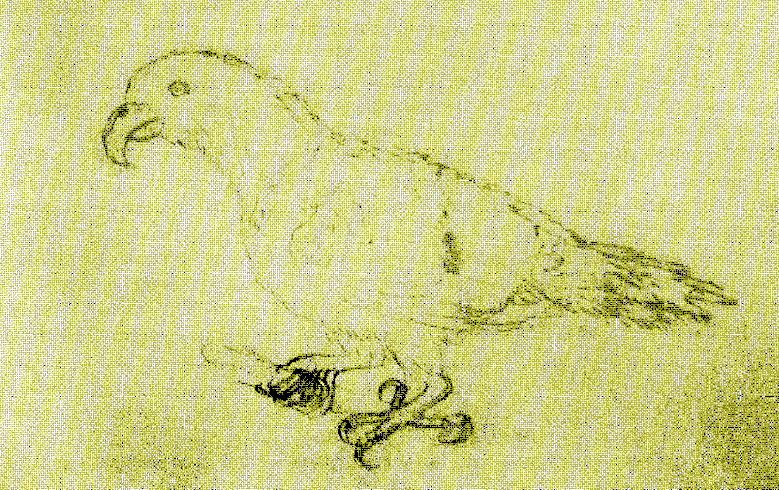
Oceanic Eclectus

Oceanic Eclectus

Eclectus infectus

An artist of the Malaspina Expedition, Public domain, via Wikimedia Commons

Budgerigar

Melopsittacus undulatus

Side by side

Oceanic EclectusBudgerigar
Scientific nameEclectus infectus Steadman, 2006Melopsittacus undulatus (Shaw, 1805)
English nameOceanic EclectusBudgerigar
GroupBirdsBirds
ClassAves BirdAves Bird
OrderPsittaciformes ParrotPsittaciformes Parrot
FamilyPsittaculidae LoriesPsittaculidae Lories
GenusEclectus Eclectus ParrotsMelopsittacus Budgerigars
Named in20061805
Red List categoryExtinctLeast Concern
EnvironmentNot recordedterrestrial
Countries on recordNot recorded28 countries
GBIF occurrence recordsNot recorded111,367 records

Rows where the two agree are shown in grey.

Where each is found

Only Budgerigar (28)

From Catalogue of Life checklists and GBIF occurrence records. A country missing from a list means no record is held, which is not proof of absence.

Checked facts

Oceanic EclectusBudgerigar
Appearance
  • The Oceanic Eclectus had proportionally smaller wings than the Moluccan eclectus. English Wikipedia
  • Wild budgerigars have predominantly green and yellow plumage with black scalloped markings on their nape, back, and wings. English Wikipedia
  • Adult budgerigars have yellow foreheads and faces. English Wikipedia
  • Adult males generally have blue ceres, whereas breeding females develop brown ceres. English Wikipedia
  • Juvenile budgerigars have blackish stripes extending down to the cere until approximately three to four months of age. English Wikipedia
  • Budgerigars have cobalt tails with yellow flashes on their outer tail feathers. English Wikipedia
  • Budgerigars have olive-grey bills and bluish-grey legs. English Wikipedia
  • Wild budgerigars typically have yellow and black striped heads, purple and black cheek markings, and blue-green tails. animaldiversity.org
SizeNo checked fact yet
HabitatNo checked fact yet
  • Budgerigars inhabit open scrublands, open woodlands, and grasslands in Australia. English Wikipedia
  • Budgerigars primarily occupy semi-arid and sub-humid habitats in interior Australia. animaldiversity.org
  • Budgerigars sometimes inhabit dry grasslands in southeastern Australia. animaldiversity.org
  • Budgerigars nest in existing cavities in fence posts, logs, and Eucalyptus trees. animaldiversity.org
DietNo checked fact yet
  • Budgerigars primarily consume grass seeds, including seeds of spinifex and other grasses. English Wikipedia
  • Budgerigars sometimes consume ripening wheat. English Wikipedia
  • Wild budgerigars also eat fruits, berries, and other vegetation. English Wikipedia
  • Budgerigars forage primarily on the ground for grass seeds and crop plants. animaldiversity.org
  • Budgerigars remove seed husks before swallowing seeds whole or in broken pieces. animaldiversity.org
  • Budgerigars require access to fresh water because their seed-based food contains little water. English Wikipedia
  • Budgerigars drink approximately 5.5 percent of their body weight in water daily. animaldiversity.org
BehaviourNo checked fact yet
  • Budgerigars are nomadic birds that move between locations as environmental conditions change. English Wikipedia
  • Budgerigars form small flocks but can aggregate into very large groups when conditions are favourable. English Wikipedia
  • Budgerigars are strongly social birds that aggregate into large flocks. animaldiversity.org
  • Female budgerigars are generally more aggressive than males. animaldiversity.org
  • Budgerigars shelter in shaded areas and remain motionless during midday or extremely hot weather. animaldiversity.org
  • Budgerigars communicate loudly when congregating at the end of the day. animaldiversity.org
  • Budgerigars demonstrate mutual affection through preening and feeding one another. English Wikipedia
ReproductionNo checked fact yet
  • Budgerigars are monogamous and breed in large colonies. English Wikipedia
  • Wild budgerigars generally breed between June and September in northern Australia and between August and January in southern Australia. English Wikipedia
  • Budgerigars respond to rainfall by breeding when grass seeds become abundant. English Wikipedia
  • Budgerigars lay their eggs in cavities in trees, fence posts, and fallen logs. English Wikipedia
  • A typical budgerigar clutch contains four to six eggs, which are incubated for approximately 18–21 days. English Wikipedia
  • Budgerigar chicks generally leave the nest at approximately five weeks of age. English Wikipedia
  • Budgerigars can produce several successive broods. animaldiversity.org
  • Female budgerigars select the nest site and incubate the eggs. animaldiversity.org
Distribution
  • The species occurred on Tonga and Vanuatu, and possibly on Fiji. English Wikipedia
  • Fossil remains of the species have been discovered at archaeological sites in Tonga and Vanuatu. English Wikipedia
  • The species may have survived on Vava'u into historic times. English Wikipedia
  • Budgerigars are naturally distributed throughout Australia, except for coastal areas in the far east and far southwest. animaldiversity.org
  • Introduced populations have been reported in South Africa, Japan, the United States, Puerto Rico, Switzerland, and New Zealand. animaldiversity.org
  • Southwest Florida is the only introduced region listed in the document where budgerigars successfully established a population. animaldiversity.org
  • Budgerigars seasonally migrate northward during winter to maintain access to food. animaldiversity.org
Conservation
  • The Oceanic Eclectus is an extinct parrot species. English Wikipedia
  • The species became extinct on Tonga during the early human settlement approximately 3,000 years ago. English Wikipedia
  • Human-caused factors are considered the presumed cause of the species' extinction. English Wikipedia
  • Habitat loss and introduced species are proposed as human-related factors contributing to the extinction. English Wikipedia
No checked fact yet
UsesNo checked fact yet
  • Budgerigars are widely kept as companion birds because of their small size, low cost, and ability to mimic human speech. English Wikipedia
  • Budgerigars are considered suitable pets when they receive appropriate care. worldwildlife.org
Similar species
  • The Moluccan eclectus (Eclectus roratus sensu lato) is the closest living relative of the Oceanic Eclectus. English Wikipedia
Name originNo checked fact yet
  • The genus name Melopsittacus derives from Ancient Greek words meaning melodious parrot. English Wikipedia
  • The species epithet undulatus is Latin for undulated or wave-patterned. English Wikipedia
Other
  • Fossil material was recovered from Late Pleistocene and Holocene deposits on 'Eua, Lifuka, 'Uiha and Vanuatu. English Wikipedia
  • Melopsittacus undulatus is the sole species in the genus Melopsittacus. English Wikipedia

In brief

Oceanic Eclectus

The Oceanic Eclectus (Eclectus infectus Steadman, 2006) is an extinct parrot species. The species occurred on Tonga and Vanuatu, and possibly on Fiji. It had proportionally smaller wings than the Moluccan eclectus. Full profile

Budgerigar

The Budgerigar (Melopsittacus undulatus) is a bird in the family Psittaculidae and order Psittaciformes, and the sole species in the genus Melopsittacus. It inhabits open scrublands, open woodlands, and grasslands in Australia, primarily in semi-arid and sub-humid habitats in interior Australia. Wild Budgerigars have predominantly green and yellow plumage with black scalloped markings on the nape, back, and wings. Full profile

Compare something else

Page built on 27 November 2026 from the data on the two species pages, where every source is listed.

Cite this page

ScientificNames.org. (2026). Oceanic Eclectus vs Budgerigar. Retrieved November 27, 2026, from https://scientificnames.org/compare/oceanic-eclectus-vs-budgerigar