Overview
Wikidata describes Kaphsa concordia as “species of insect”.
Classification of Kaphsa concordia
| Kingdom | Animalia |
|---|---|
| Phylum | Arthropoda |
| Subphylum | Hexapoda |
| Class | Insecta (Insect) |
| Order | Hemiptera |
| Suborder | Auchenorrhyncha (True Hoppers) |
| Infraorder | Cicadomorpha |
| Parvorder | Clypeata |
| Superfamily | Cicadoidea |
| Family | Cicadidae (Cicada) |
| Subfamily | Cicadinae |
| Tribe | Dundubiini |
| Subtribe | Aolina |
| Genus | Kaphsa |
| Species | Kaphsa concordia Lee, 2012 |
Where Kaphsa concordia is found
Checklists and occurrence records place Kaphsa concordia in 1 country across Asia. GBIF holds 4 georeferenced records of it.
Countries
A number beside a place is its count of GBIF occurrence records. A place without a number comes from a checklist alone. Records show where a species has been observed or collected, which can include escapes and vagrants.
Related species
- Kaphsa aculeus
-
 Evening CicadaTanna japonensis
-
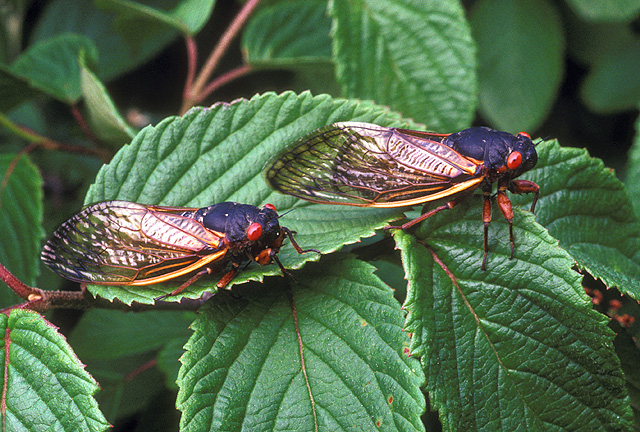 17-year Decim CicadaMagicicada septendecim
-
 Green GrocerCyclochila australasiae
-
 Double DrummerThopha saccata
-
 Giant CicadaQuesada gigas
-
 New Forest CicadaCicadetta montana
-
 Empress CicadaMegapomponia imperatoria
Compare
Sources
Data
- Catalogue of Life, 2026-10-16 XR cc by
- Global Biodiversity Information Facility CC BY 4.0
- Wikidata CC0
- GeoNames CC BY 4.0
- Within the Catalogue of Life, this name comes from 3i World Auchenorrhyncha Database cc0
References
- Lee, Y.J. (2012a) A new genus and species in the cicada tribe Cicadini (Hemiptera: Cicadidae) from Thailand. Journal of Asia-Pacific Entomology, 15(2), 287–289. Link where the name was published
This species in other databases
Page built on 26 November 2026. See how the catalog is made and all sources and licences.
Cite this page
ScientificNames.org. (2026). Kaphsa concordia. Retrieved November 26, 2026, from https://scientificnames.org/species/kaphsa-concordia
“Kaphsa concordia.” ScientificNames.org, 2026, scientificnames.org/species/kaphsa-concordia. Accessed 26 Nov. 2026.
ScientificNames.org. “Kaphsa concordia.” Accessed November 26, 2026. https://scientificnames.org/species/kaphsa-concordia.
@misc{scientificnames_kaphsa_concordia,
  author = {{ScientificNames.org}},
  title = {Kaphsa concordia},
  year = {2026},
  url = {https://scientificnames.org/species/kaphsa-concordia},
  note = {Accessed 2026-11-26}
}