Species · Insects
Northern Double Drummer Thopha sessiliba
The scientific name of the Northern Double Drummer is Thopha sessiliba. It is a species of insect in the family Cicadidae (cicada), order Hemiptera. The name dates from 1892.

Overview
Thopha sessiliba is native to Queensland, the Northern Territory and northern Western Australia in Australia. It is the second-largest cicada species in Australia.
Written 27 November 2026 from the sources listed below. Each statement was checked against the passage it cites; statements that could not be supported were removed.
Appearance
Adult males and females average 4.56 cm in length. The thorax measures 1.85 cm in diameter.[1][2]
The eyes are light brown with a purple tinge, and the postclypeus is dark red-brown. The head varies in colour but is never black.[3][4][5]
The thorax is brown with lighter golden-brown markings, while the mesonotum is brown with a purple tinge. The underside of the thorax is red-brown and covered in fine silvery velvety hairs.[6][7][8]
The abdomen is dark brown, and the first and second abdominal segments have grey hairs on both their upper and lower surfaces. The abdomen also has a whitish pregenital band of hair.[9][10][11]
The wings are transparent with light brown veins. The legs are brown and covered with fine grey velvety hairs.[12][13]
Habitat
The species occurs on eucalyptus trees, particularly smooth-barked species such as the ghost gum in Central Australia. Adults perch almost exclusively on ghost gums.[14][15]
Behaviour
Adults emerge from September and remain observable until the end of April. They are most abundant in December and January.[16][17]
Classification of the Northern Double Drummer
| Kingdom | Animalia |
|---|---|
| Phylum | Arthropoda |
| Subphylum | Hexapoda |
| Class | Insecta (Insect) |
| Order | Hemiptera |
| Suborder | Auchenorrhyncha (True Hoppers) |
| Infraorder | Cicadomorpha |
| Parvorder | Clypeata |
| Superfamily | Cicadoidea |
| Family | Cicadidae (Cicada) |
| Subfamily | Cicadinae |
| Tribe | Thophini |
| Genus | Thopha (Drummers) |
| Species | Thopha sessiliba Distant, 1892 |
Where the Northern Double Drummer is found
Checklists and occurrence records place Thopha sessiliba in 1 country across Oceania. GBIF holds 312 georeferenced records of it.
Countries
Regions and cities with the most records
- Queensland, Australia 180
- Northern Territory, Australia 70
- Western Australia, Australia 40
- Townsville, Australia 24
- Cairns, Australia 17
- Alice Springs, Australia 6
- Gladstone, Australia 5
- New South Wales, Australia 2
Range as the checklists state it
Northern Territory
Western Australia
New South Wales
Queensland
A number beside a place is its count of GBIF occurrence records. A place without a number comes from a checklist alone. Records show where a species has been observed or collected, which can include escapes and vagrants.
Common names
English
- Northern Double Drummer
Subspecies and varieties
- Thopha sessiliba clamoris subspecies
- Thopha sessiliba sessiliba (Northern Double Drummer) subspecies
Related species
-
 Double DrummerThopha saccata
- Golden DrummerThopha colorata
- Pilbara Double DrummerThopha hutchinsoni
- Thopha emmotti
-
 Evening CicadaTanna japonensis
-
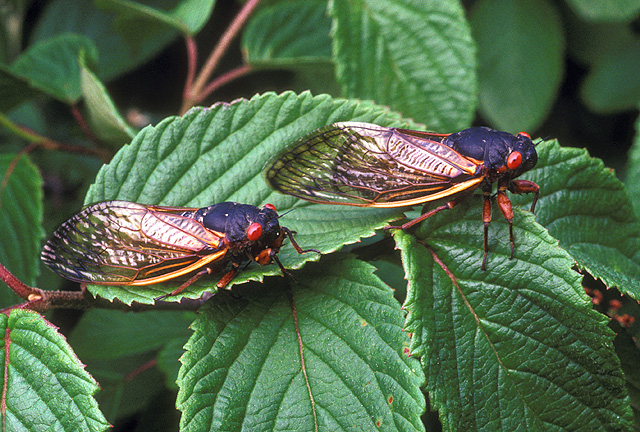 17-year Decim CicadaMagicicada septendecim
-
 Green GrocerCyclochila australasiae
-
 Giant CicadaQuesada gigas
Compare
Questions and answers
What is the scientific name of the Northern Double Drummer?
The scientific name of the Northern Double Drummer is Thopha sessiliba. Written with its author, the full name is Thopha sessiliba Distant, 1892.
Which family does the Northern Double Drummer belong to?
Thopha sessiliba belongs to the family Cicadidae, in the order Hemiptera and the class Insecta.
Where is the Northern Double Drummer found?
Checklists and occurrence records place Thopha sessiliba in 1 country: Australia.
Where do cicadas live?
The Northern Double Drummer is native to Queensland, the Northern Territory and northern Western Australia in Australia. Its range extends from Gladstone in southeastern Queensland north to Cape York and Mount Isa, includes eastern and northern parts of the Northern Territory, and extends through the Kimberley and Broome to Mundiwindi in Western Australia.[18][19][20][21]
Sources
Passages the profile rests on
- Adult males and females average 4.56 cm in length. Source passage: “The male and female average 4.56 cm long.” — English Wikipedia
- The thorax measures 1.85 cm in diameter. Source passage: “The thorax is 1.85 cm in diameter.” — English Wikipedia
- The eyes are light brown with a purple tinge. Source passage: “The eyes are light brown tinged with purple” — English Wikipedia
- The postclypeus is dark red-brown. Source passage: “the postclypeus dark red-brown.” — English Wikipedia
- The head varies in colour but is never black. Source passage: “The head is variable in colour, but never black like the double drummer.” — English Wikipedia
- The thorax is brown with lighter golden-brown markings. Source passage: “The thorax is brown with lighter golden-brown markings.” — English Wikipedia
- The mesonotum is brown with a purple tinge. Source passage: “The mesonotum is brown tinged with purple.” — English Wikipedia
- The underside of the thorax is red-brown and covered in fine silvery velvety hairs. Source passage: “The underside of the thorax is red-brown and covered in fine silvery velvety hairs.” — English Wikipedia
- The abdomen is dark brown. Source passage: “The abdomen is dark brown” — English Wikipedia
- The first and second abdominal segments have grey hairs on both their upper and lower surfaces. Source passage: “with the first and second segments above and underside covered with grey hairs” — English Wikipedia
- The abdomen has a whitish pregenital band of hair. Source passage: “and also a whitish pregenital band of hair.” — English Wikipedia
- The wings are transparent with light brown veins. Source passage: “The wings are vitreous (transparent) with light brown veins.” — English Wikipedia
- The legs are brown and covered with fine grey velvety hairs. Source passage: “The legs are brown and have fine grey velvety hairs.” — English Wikipedia
- Adults perch almost exclusively on ghost gums. Source passage: “Adults perch almost exclusively on ghost gums.” — English Wikipedia
- The species occurs on eucalyptus trees, particularly smooth-barked species such as the ghost gum in Central Australia. Source passage: “It is found on eucalyptus trees, particularly smooth-barked species such as the ghost gum (Corymbia aparrerinja) in Central Australia.” — English Wikipedia
- Adults emerge from September and remain observable until the end of April. Source passage: “Adult cicadas emerge from September and can be seen until the end of April” — English Wikipedia
- Adults are most abundant in December and January. Source passage: “though are most abundant in December and January.” — English Wikipedia
- The species is native to Queensland, the Northern Territory and northern Western Australia in Australia. Source passage: “is an Australian cicada native to Queensland, the Northern Territory and northern Western Australia.” — English Wikipedia
- The species occurs from Gladstone in southeastern Queensland north to Cape York and Mount Isa. Source passage: “found from Gladstone in southeast Queensland north to Cape York and Mount Isa” — English Wikipedia
- Its range includes eastern and northern parts of the Northern Territory. Source passage: “across eastern and northern Northern Territory” — English Wikipedia
- Its Western Australian range includes the Kimberley and Broome and extends to Mundiwindi. Source passage: “into northern Western Australia, across the Kimberley and Broome to Mundiwindi.” — English Wikipedia
Data
- Catalogue of Life, 2026-10-16 XR cc by
- Global Biodiversity Information Facility CC BY 4.0
- Wikidata CC0
- GeoNames CC BY 4.0
- Wikimedia Commons per image; credit shown with each image
- Within the Catalogue of Life, this name comes from 3i World Auchenorrhyncha Database cc0
References
- Distant, W.L. (1892d) On some undescribed Cicadidae, with synonymical notes. Annals and Magazine of Natural History. (Ser. 6), 9, 313–327. Link where the name was published
This species in other databases
Page built on 28 November 2026. See how the catalog is made and all sources and licences.
Cite this page
ScientificNames.org. (2026). Thopha sessiliba (Northern Double Drummer). Retrieved November 28, 2026, from https://scientificnames.org/species/thopha-sessiliba
“Thopha sessiliba (Northern Double Drummer).” ScientificNames.org, 2026, scientificnames.org/species/thopha-sessiliba. Accessed 28 Nov. 2026.
ScientificNames.org. “Thopha sessiliba (Northern Double Drummer).” Accessed November 28, 2026. https://scientificnames.org/species/thopha-sessiliba.
@misc{scientificnames_thopha_sessiliba_northern_double_drummer,
  author = {{ScientificNames.org}},
  title = {Thopha sessiliba (Northern Double Drummer)},
  year = {2026},
  url = {https://scientificnames.org/species/thopha-sessiliba},
  note = {Accessed 2026-11-28}
}