Comparison
Common Morning-glory vs Moonflower
Common Morning-glory (Ipomoea purpurea) and Moonflower (Ipomoea alba) both belong to the genus Ipomoea (morning glory) and part ways below it. Both are recorded in 46 countries.
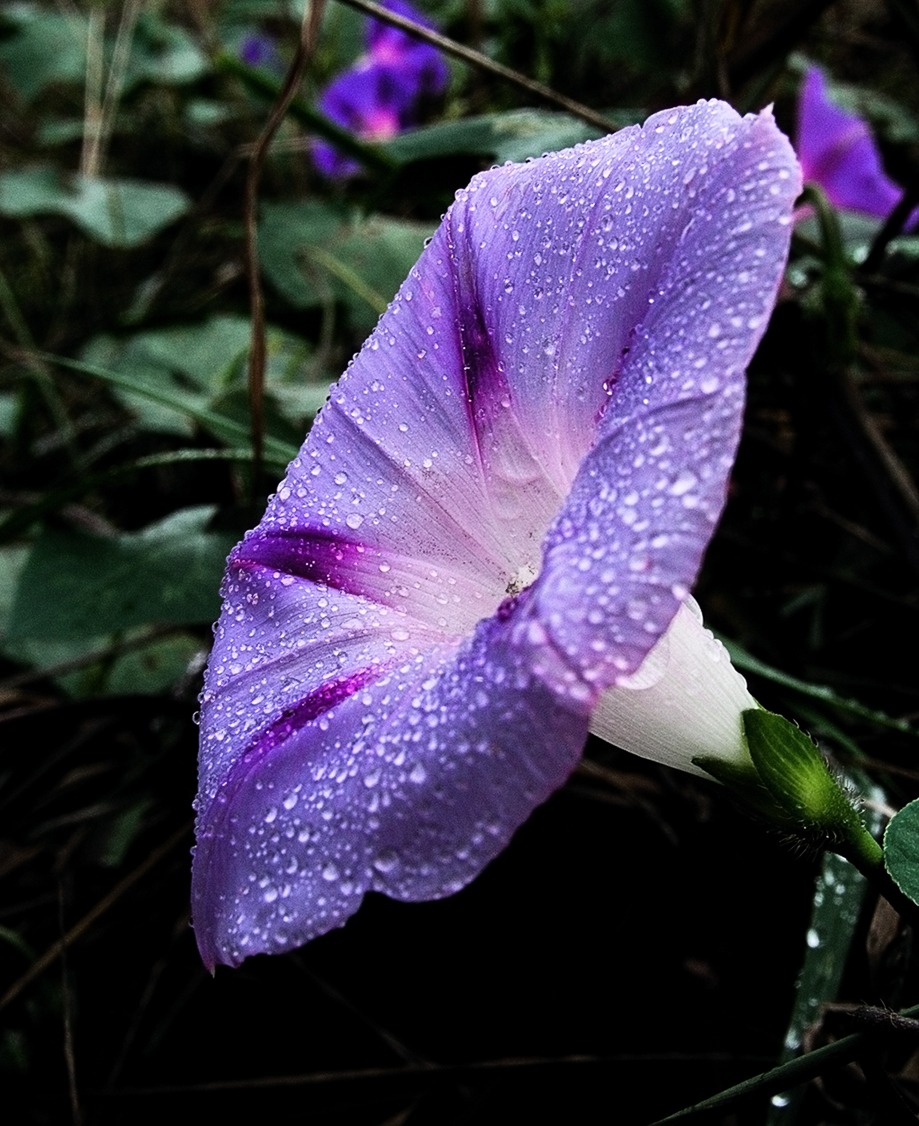
Common Morning-glory
Ipomoea purpurea
Original uploader was PiccoloNamek at en.wikipedia, CC BY-SA 3.0, via Wikimedia Commons


Side by side
| Common Morning-glory | Moonflower | |
|---|---|---|
| Scientific name | Ipomoea purpurea (L.) Roth | Ipomoea alba L. |
| English name | Common Morning-glory | Moonflower |
| Group | Flowering plants | Flowering plants |
| Class | Magnoliopsida | Magnoliopsida |
| Order | Solanales | Solanales |
| Family | Convolvulaceae Bindweed Family | Convolvulaceae Bindweed Family |
| Genus | Ipomoea Morning Glory | Ipomoea Morning Glory |
| Red List category | Not recorded | Least Concern |
| Countries on record | 79 countries | 81 countries |
| GBIF occurrence records | 35,875 records | 10,013 records |
Rows where the two agree are shown in grey.
Where each is found
Both recorded in 46 countries
- Argentina
- Bangladesh
- Bhutan
- Bolivia
- Brazil
- Chile
- China
- Colombia
- Costa Rica
- Cuba
- Dominican Republic
- Ecuador
- El Salvador
- Ethiopia
- Guadeloupe
- Guatemala
- Honduras
- India
- Madagascar
- Martinique
- Mauritius
- Mexico
- Mozambique
- Myanmar
- New Caledonia
- New Zealand
- Nicaragua
- Pakistan
- Panama
- Paraguay
- Peru
- Philippines
- Puerto Rico
- Reunion
- South Africa
- South Korea
- Sri Lanka
- Taiwan
- Tanzania
- Uganda
- United States
- Uruguay
- Uzbekistan
- Venezuela
- Vietnam
- Zimbabwe
Only Common Morning-glory (33)
- Australia
- Austria
- Azerbaijan
- Cabo Verde
- Canada
- Croatia
- Cyprus
- Eritrea
- France
- Germany
- Greece
- Hungary
- Italy
- Japan
- Kazakhstan
- Lesotho
- Malta
- Nepal
- Portugal
- Romania
- Russia
- San Marino
- Slovakia
- Spain
- Sweden
- Tajikistan
- The Netherlands
- Tunisia
- Turkey
- Turkmenistan
- Ukraine
- Yemen
- Zambia
Only Moonflower (35)
- American Samoa
- Angola
- Bahamas
- Belize
- Benin
- Bermuda
- Cameroon
- Cayman Islands
- Central African Republic
- Dominica
- Equatorial Guinea
- Fiji
- French Guiana
- Ghana
- Guam
- Guinea
- Guyana
- Haiti
- Ivory Coast
- Jamaica
- Kenya
- Liberia
- Nigeria
- Saint Barthelemy
- Samoa
- Sao Tome and Principe
- Seychelles
- Sierra Leone
- Sudan
- Suriname
- Thailand
- Togo
- Tonga
- Trinidad and Tobago
- Vanuatu
From Catalogue of Life checklists and GBIF occurrence records. A country missing from a list means no record is held, which is not proof of absence.
Checked facts
| Common Morning-glory | Moonflower | |
|---|---|---|
| Appearance |
|
|
| Size |
|
|
| Habitat |
|
|
| Behaviour |
|
|
| Reproduction |
|
|
| Lifespan |
| No checked fact yet |
| Distribution |
|
|
| Conservation |
|
|
| Uses |
|
|
| Other |
|
|
In brief
Common Morning-glory
Ipomoea purpurea (L.) Roth, commonly known as common morning-glory, is an annual flowering plant in the family Convolvulaceae, order Solanales and class Magnoliopsida. The species is native to Mexico and Central America and has become naturalized throughout warm temperate and subtropical regions worldwide. It is a vigorous climbing vine with heart-shaped leaves and trumpet-shaped flowers that are predominantly blue, purple or white. Full profile
Moonflower
The native habitat in Florida includes disturbed wetlands, lake edges, and mangrove fringes. It produces fragrant white or pink flowers that measure 8–14 cm in diameter and open in the evening. Full profile
Compare something else
Page built on 28 November 2026 from the data on the two species pages, where every source is listed.
Cite this page
ScientificNames.org. (2026). Common Morning-glory vs Moonflower. Retrieved November 28, 2026, from https://scientificnames.org/compare/common-morning-glory-vs-moonflower
“Common Morning-glory vs Moonflower.” ScientificNames.org, 2026, scientificnames.org/compare/common-morning-glory-vs-moonflower. Accessed 28 Nov. 2026.
ScientificNames.org. “Common Morning-glory vs Moonflower.” Accessed November 28, 2026. https://scientificnames.org/compare/common-morning-glory-vs-moonflower.
@misc{scientificnames_common_morning_glory_vs_moonflower,
  author = {{ScientificNames.org}},
  title = {Common Morning-glory vs Moonflower},
  year = {2026},
  url = {https://scientificnames.org/compare/common-morning-glory-vs-moonflower},
  note = {Accessed 2026-11-28}
}