Comparison
Hill Jelutong vs Oleander
Hill Jelutong (Dyera costulata) and Oleander (Nerium oleander) both belong to the family Apocynaceae (dogbane family) and part ways below it. Both are recorded in 5 countries.
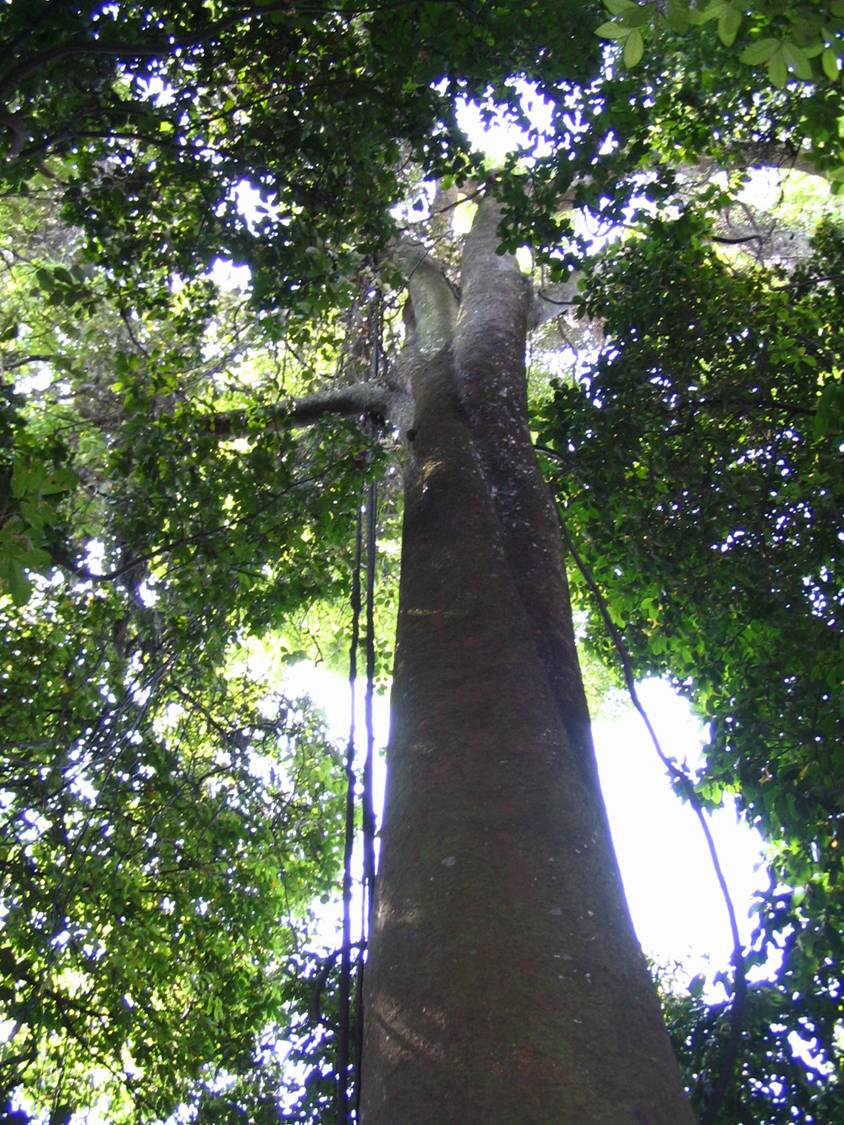


Side by side
| Hill Jelutong | Oleander | |
|---|---|---|
| Scientific name | Dyera costulata (Miq.) Hook.fil. | Nerium oleander L. |
| English name | Hill Jelutong | Oleander |
| Group | Flowering plants | Flowering plants |
| Class | Magnoliopsida | Magnoliopsida |
| Order | Gentianales | Gentianales |
| Family | Apocynaceae Dogbane Family | Apocynaceae Dogbane Family |
| Genus | Dyera | Nerium Oleanders |
| Red List category | Least Concern | Least Concern |
| Countries on record | 6 countries | 144 countries |
| GBIF occurrence records | 472 records | 114,485 records |
Rows where the two agree are shown in grey.
Where each is found
Both recorded in 5 countries
Only Hill Jelutong (1)
Only Oleander (139)
- Afghanistan
- Albania
- Algeria
- Armenia
- Australia
- Austria
- Azerbaijan
- Bahamas
- Bahrain
- Bangladesh
- Barbados
- Belgium
- Belize
- Benin
- Bhutan
- Bolivia
- Bonaire, Saint Eustatius and Saba
- Bosnia and Herzegovina
- Botswana
- Brazil
- Bulgaria
- Burkina Faso
- Cabo Verde
- Cambodia
- Cameroon
- Chad
- China
- Colombia
- Costa Rica
- Croatia
- Cuba
- Cyprus
- Democratic Republic of the Congo
- Dominica
- Ecuador
- Egypt
- Eritrea
- Estonia
- Ethiopia
- Fiji
- France
- French Guiana
- Georgia
- Germany
- Ghana
- Gibraltar
- Greece
- Grenada
- Guam
- Guinea
- Guyana
- Honduras
- Hong Kong
- Hungary
- Iran
- Iraq
- Israel
- Italy
- Ivory Coast
- Japan
- Jordan
- Kenya
- Kosovo
- Kuwait
- Laos
- Lebanon
- Lesotho
- Libya
- Macao
- Madagascar
- Malawi
- Maldives
- Mali
- Malta
- Martinique
- Mauritius
- Mayotte
- Mexico
- Monaco
- Montenegro
- Montserrat
- Morocco
- Mozambique
- Myanmar
- Namibia
- Nauru
- Nepal
- New Caledonia
- New Zealand
- Nicaragua
- Nigeria
- Niue
- North Macedonia
- Oman
- Pakistan
- Palau
- Palestinian Territory
- Peru
- Philippines
- Poland
- Portugal
- Puerto Rico
- Qatar
- Reunion
- Russia
- Saint Helena
- San Marino
- Saudi Arabia
- Senegal
- Serbia
- Seychelles
- Slovenia
- Somalia
- South Africa
- South Korea
- Spain
- Sri Lanka
- Suriname
- Sweden
- Switzerland
- Syria
- Taiwan
- Tanzania
- The Netherlands
- Togo
- Tonga
- Trinidad and Tobago
- Tunisia
- Turkey
- Ukraine
- United Arab Emirates
- United States
- Uzbekistan
- Vanuatu
- Venezuela
- Vietnam
- Yemen
- Zambia
- Zimbabwe
From Catalogue of Life checklists and GBIF occurrence records. A country missing from a list means no record is held, which is not proof of absence.
Checked facts
| Hill Jelutong | Oleander | |
|---|---|---|
| Appearance |
|
|
| Size |
| No checked fact yet |
| Habitat |
|
|
| Behaviour | No checked fact yet |
|
| Reproduction | No checked fact yet |
|
| Distribution | No checked fact yet |
|
| Conservation |
|
|
| Uses |
|
|
| Similar species | No checked fact yet |
|
| Other | No checked fact yet |
|
In brief
Hill Jelutong
Dyera costulata occurs in scattered locations within low-elevation tropical evergreen forests. Some individuals reach 80 metres in height and 3 metres in diameter. Full profile
Oleander
Nerium oleander is native or naturalised from northwest Africa through the Mediterranean and warmer parts of the Black Sea region to the Arabian Peninsula and southern Asia, extending eastward to Yunnan in southern China. Oleander contains cardiac glycosides and is highly poisonous. Full profile
Compare something else
Page built on 28 November 2026 from the data on the two species pages, where every source is listed.
Cite this page
ScientificNames.org. (2026). Hill Jelutong vs Oleander. Retrieved November 28, 2026, from https://scientificnames.org/compare/hill-jelutong-vs-oleander
“Hill Jelutong vs Oleander.” ScientificNames.org, 2026, scientificnames.org/compare/hill-jelutong-vs-oleander. Accessed 28 Nov. 2026.
ScientificNames.org. “Hill Jelutong vs Oleander.” Accessed November 28, 2026. https://scientificnames.org/compare/hill-jelutong-vs-oleander.
@misc{scientificnames_hill_jelutong_vs_oleander,
  author = {{ScientificNames.org}},
  title = {Hill Jelutong vs Oleander},
  year = {2026},
  url = {https://scientificnames.org/compare/hill-jelutong-vs-oleander},
  note = {Accessed 2026-11-28}
}