Comparison
Common Morning-glory vs Sweet Potato
Common Morning-glory (Ipomoea purpurea) and Sweet Potato (Ipomoea batatas) both belong to the genus Ipomoea (morning glory) and part ways below it. Both are recorded in 65 countries.
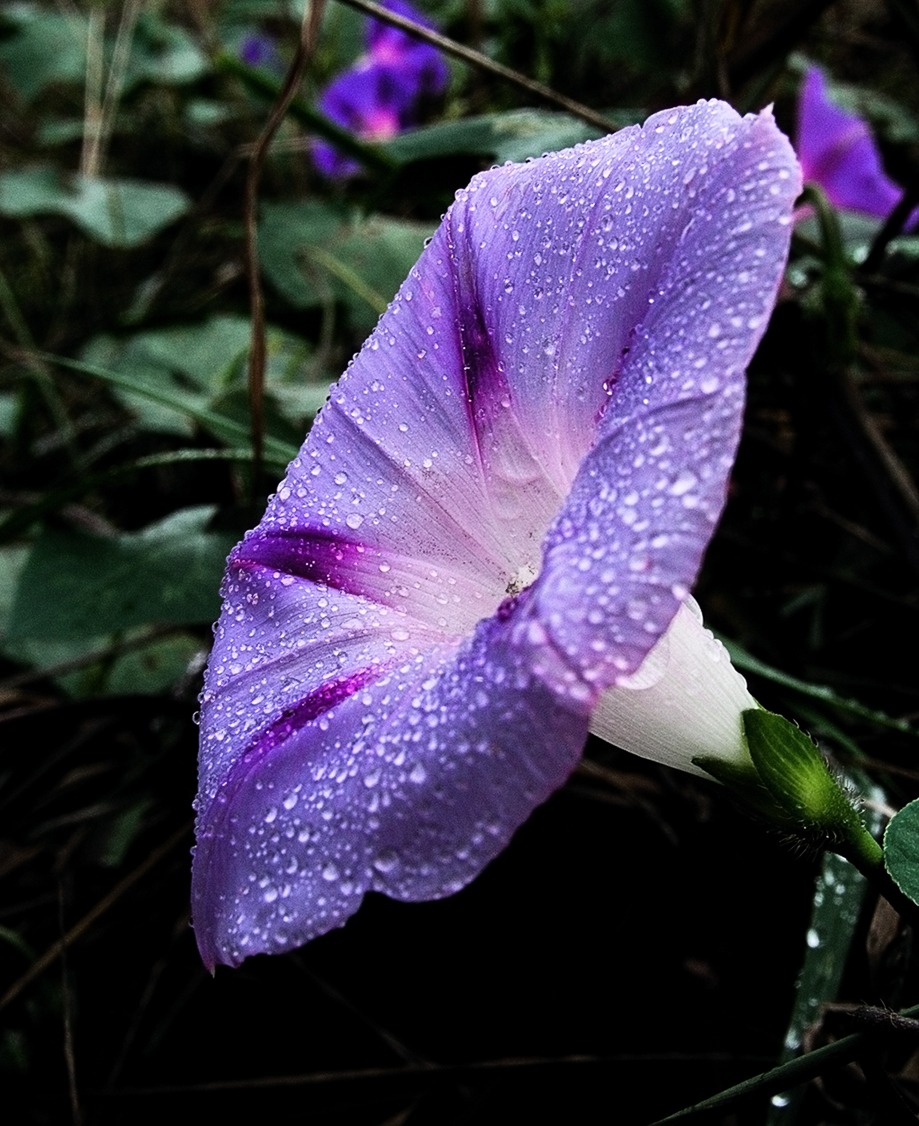
Common Morning-glory
Ipomoea purpurea
Original uploader was PiccoloNamek at en.wikipedia, CC BY-SA 3.0, via Wikimedia Commons


Side by side
| Common Morning-glory | Sweet Potato | |
|---|---|---|
| Scientific name | Ipomoea purpurea (L.) Roth | Ipomoea batatas (L.) Lam. |
| English name | Common Morning-glory | Sweet Potato |
| Group | Flowering plants | Flowering plants |
| Class | Magnoliopsida | Magnoliopsida |
| Order | Solanales | Solanales |
| Family | Convolvulaceae Bindweed Family | Convolvulaceae Bindweed Family |
| Genus | Ipomoea Morning Glory | Ipomoea Morning Glory |
| Red List category | Not recorded | Data Deficient |
| Countries on record | 79 countries | 157 countries |
| GBIF occurrence records | 35,875 records | 30,016 records |
Rows where the two agree are shown in grey.
Where each is found
Both recorded in 65 countries
- Argentina
- Australia
- Azerbaijan
- Bangladesh
- Bhutan
- Bolivia
- Brazil
- Cabo Verde
- Canada
- Chile
- China
- Colombia
- Costa Rica
- Croatia
- Cuba
- Dominican Republic
- Ecuador
- El Salvador
- Ethiopia
- France
- Germany
- Greece
- Guadeloupe
- Guatemala
- Honduras
- India
- Italy
- Japan
- Madagascar
- Martinique
- Mauritius
- Mexico
- Mozambique
- Myanmar
- Nepal
- New Caledonia
- New Zealand
- Nicaragua
- Pakistan
- Panama
- Paraguay
- Peru
- Philippines
- Portugal
- Puerto Rico
- Reunion
- Russia
- South Africa
- South Korea
- Spain
- Sri Lanka
- Sweden
- Taiwan
- Tajikistan
- Tanzania
- The Netherlands
- Turkmenistan
- Uganda
- United States
- Uruguay
- Uzbekistan
- Venezuela
- Vietnam
- Zambia
- Zimbabwe
Only Common Morning-glory (14)
Only Sweet Potato (92)
- Afghanistan
- Algeria
- Angola
- Antigua and Barbuda
- Bahamas
- Barbados
- Belarus
- Belize
- Benin
- Bermuda
- Bonaire, Saint Eustatius and Saba
- Burkina Faso
- Burundi
- Cambodia
- Cameroon
- Central African Republic
- Chad
- Christmas Island
- Cook Islands
- Democratic Republic of the Congo
- Dominica
- Egypt
- Equatorial Guinea
- Fiji
- French Guiana
- French Polynesia
- Gabon
- Gambia
- Georgia
- Ghana
- Grenada
- Guam
- Guinea
- Guinea-Bissau
- Guyana
- Haiti
- Hong Kong
- Indonesia
- Ivory Coast
- Jamaica
- Kenya
- Kiribati
- Kuwait
- Kyrgyzstan
- Laos
- Liberia
- Macao
- Malawi
- Malaysia
- Maldives
- Mali
- Marshall Islands
- Mauritania
- Mayotte
- Micronesia
- Morocco
- Namibia
- Nigeria
- Niue
- Northern Mariana Islands
- Palau
- Papua New Guinea
- Pitcairn
- Qatar
- Republic of the Congo
- Rwanda
- Saint Barthelemy
- Saint Kitts and Nevis
- Saint Lucia
- Saint Martin
- Saint Vincent and the Grenadines
- Samoa
- Sao Tome and Principe
- Saudi Arabia
- Senegal
- Seychelles
- Sierra Leone
- Singapore
- Solomon Islands
- Sudan
- Suriname
- Thailand
- Timor Leste
- Togo
- Tokelau
- Tonga
- Trinidad and Tobago
- Tuvalu
- U.S. Virgin Islands
- United Arab Emirates
- United Kingdom
- Vanuatu
From Catalogue of Life checklists and GBIF occurrence records. A country missing from a list means no record is held, which is not proof of absence.
Checked facts
| Common Morning-glory | Sweet Potato | |
|---|---|---|
| Appearance |
|
|
| Size |
|
|
| Habitat |
|
|
| Diet | No checked fact yet |
|
| Behaviour |
|
|
| Reproduction |
|
|
| Lifespan |
| No checked fact yet |
| Distribution |
|
|
| Conservation |
| No checked fact yet |
| Uses |
|
|
| Similar species | No checked fact yet |
|
| Other |
|
|
In brief
Common Morning-glory
Ipomoea purpurea (L.) Roth, commonly known as common morning-glory, is an annual flowering plant in the family Convolvulaceae, order Solanales and class Magnoliopsida. The species is native to Mexico and Central America and has become naturalized throughout warm temperate and subtropical regions worldwide. It is a vigorous climbing vine with heart-shaped leaves and trumpet-shaped flowers that are predominantly blue, purple or white. Full profile
Sweet Potato
Sweet Potato (Ipomoea batatas (L.) Lam.) is a flowering plant in the Convolvulaceae family, order Solanales, and class Magnoliopsida. The species is native to South-Central America and was domesticated in Central America at least 5,000 years ago. Full profile
Compare something else
Page built on 28 November 2026 from the data on the two species pages, where every source is listed.
Cite this page
ScientificNames.org. (2026). Common Morning-glory vs Sweet Potato. Retrieved November 28, 2026, from https://scientificnames.org/compare/common-morning-glory-vs-sweet-potato
“Common Morning-glory vs Sweet Potato.” ScientificNames.org, 2026, scientificnames.org/compare/common-morning-glory-vs-sweet-potato. Accessed 28 Nov. 2026.
ScientificNames.org. “Common Morning-glory vs Sweet Potato.” Accessed November 28, 2026. https://scientificnames.org/compare/common-morning-glory-vs-sweet-potato.
@misc{scientificnames_common_morning_glory_vs_sweet_potato,
  author = {{ScientificNames.org}},
  title = {Common Morning-glory vs Sweet Potato},
  year = {2026},
  url = {https://scientificnames.org/compare/common-morning-glory-vs-sweet-potato},
  note = {Accessed 2026-11-28}
}