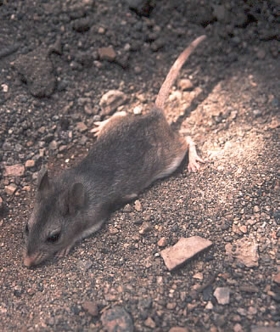
| Appearance | | |
|---|
| Size | - Its total body length, including the tail, ranges from 120 to 163 mm. English Wikipedia
- Its head-and-body length averages 9–13 cm, and its tail measures 3–6 cm. animaldiversity.org
- The tail accounts for an average of 33.9% of the animal's body length. English Wikipedia
- Females have an average tail length of 4.58 cm, compared with 4.50 cm in males. English Wikipedia
| - The European hamster reaches approximately 20–30 cm in body length. English Wikipedia
- Adult male European hamsters average 24.1 cm in length, while females average approximately 23.7 cm. animaldiversity.org
- Male European hamsters average 451 g in body mass, compared with 359 g for females. animaldiversity.org
- Adult European hamsters typically weigh between 200 and 650 g, although exceptional individuals exceed 1 kg. English Wikipedia
|
|---|
| Habitat | | - The European hamster naturally inhabits steppe and grassland environments. animaldiversity.org
- The species also occupies agricultural land and green spaces within urban areas. animaldiversity.org
- European hamsters typically inhabit areas below 400 m above sea level. animaldiversity.org
- European hamster burrows commonly occur in dense loess or clay soils. animaldiversity.org
- The species typically occupies lowland areas with loam or loess-like soils and permeable bedrock below 500 m elevation. English Wikipedia
|
|---|
| Diet | - Arthropods constitute almost the entire diet of the southern grasshopper mouse. English Wikipedia
- Its prey includes little pocket mice and western harvest mice. English Wikipedia
- Arizona bark scorpions are among its prey, and the mouse can consume them despite repeated stings. English Wikipedia
- Seeds, plants, and vegetables account for approximately 10–25% of its diet. animaldiversity.org
- Its animal prey also includes rodents belonging to the genera Peromyscus, Perognathus, and Microtus. animaldiversity.org
| - European hamsters consume grasses, seeds, grains, roots, fruits, and legumes. animaldiversity.org
- European hamsters opportunistically consume insects and insect larvae. animaldiversity.org
- Animal matter accounts for approximately 10–13% of the European hamster's diet and includes earthworms, snails, and insects. English Wikipedia
- European hamsters generally obtain sufficient water from their food without needing to drink. English Wikipedia
|
|---|
| Behaviour | - The species is predominantly nocturnal. English Wikipedia
- Southern grasshopper mice are highly aggressive predators. English Wikipedia
- They stalk prey before rushing forward and killing it with a bite to the head. animaldiversity.org
- They are capable of climbing well and remain active throughout the year. animaldiversity.org
- Individuals are generally solitary and defend their territories aggressively against intruders. animaldiversity.org
- They sometimes live in male-female pairs throughout the year. animaldiversity.org
- They produce a loud, piercing vocalization lasting between 0.7 and 1.2 seconds. animaldiversity.org
- Their characteristic vocalization can be heard by humans at distances of up to 100 metres. animaldiversity.org
- They give their characteristic call when confronting adversaries or before killing prey. animaldiversity.org
- They sometimes kill and eat other members of their species when threatened or food is scarce. animaldiversity.org
- Live crickets are preferred over dead crickets. English Wikipedia
- The species can temporarily become insensitive to pain after receiving Arizona bark scorpion venom. English Wikipedia
| - European hamsters are primarily nocturnal but may also be active during twilight or daytime. English Wikipedia
- European hamsters are generally solitary animals. English Wikipedia
- European hamsters construct extensive underground tunnel systems containing living, food-storage, and latrine chambers. animaldiversity.org
- European hamster tunnels typically measure 8–9 cm in diameter and have several exits. animaldiversity.org
- European hamsters transport food to underground storage chambers using their cheek pouches. English Wikipedia
- European hamster food stores typically contain 2–3 kg of food, although exceptional stores can reach 65 kg. English Wikipedia
- European hamsters hibernate approximately from mid-October until mid-March. animaldiversity.org
- During hibernation, European hamsters wake every five to seven days to feed. English Wikipedia
- European hamsters occupy larger average home ranges in males than in females. animaldiversity.org
- European hamsters mark their territories using secretions from their flank organs. animaldiversity.org
|
|---|
| Reproduction | | - The European hamster has a promiscuous mating system involving multiple matings during each breeding season. animaldiversity.org
- Female European hamsters reach sexual maturity at approximately 80 days of age. English Wikipedia
- Male European hamsters reach sexual maturity at approximately 60 days of age. English Wikipedia
- European hamster litters typically contain between three and seven pups. animaldiversity.org
- Pregnancy in European hamsters lasts approximately 18–21 days. animaldiversity.org
- Female European hamsters nurse their young for approximately four weeks. animaldiversity.org
- Female European hamsters can become pregnant again shortly after giving birth to their first litter, even while nursing. animaldiversity.org
|
|---|
| Distribution | - The species occurs in Mexico and the United States states of Arizona, California, Nevada, New Mexico, and Utah. English Wikipedia
| No checked fact yet |
|---|
| Conservation | | - The European hamster was classified as critically endangered across its global range in 2020. English Wikipedia
- Intensive agriculture and habitat destruction are identified as major threats to European hamster populations. English Wikipedia
- Road construction can fragment European hamster populations and contribute to habitat loss. English Wikipedia
|
|---|
| Uses | - The species benefits farmers by consuming insects and rodents that could otherwise damage crops. animaldiversity.org
| - European hamsters have historically been hunted for their fur. English Wikipedia
- European hamsters have been used in cancer research because of their exposure to pesticides and urban air pollution. animaldiversity.org
|
|---|
| Other | No checked fact yet | - European hamsters contribute to seed dispersal by storing seeds underground and occasionally losing them. animaldiversity.org
- European hamsters contribute to ecosystem engineering through their burrowing activity. animaldiversity.org
|
|---|