Species · Amphibians
Black Toad Anaxyrus exsul
The scientific name of the Black Toad is Anaxyrus exsul. It is a species of amphibian in the family Bufonidae (true toad), order Anura. The name dates from 1942.

Overview
Anaxyrus exsul occurs in scattered oases in Deep Springs Valley, Inyo County, California. It is predominantly black, with light stripes and dots across its body.
Written 26 November 2026 from the sources listed below. Each statement was checked against the passage it cites; statements that could not be supported were removed.
Appearance
Black Toads are predominantly black and have light stripes and dots across their bodies. Males have lighter-colored throats than females, while females have more spots than males.[1][2][3]
Habitat
Black Toads inhabit fewer than twelve inland freshwater springs in a single desert basin. Their habitat includes marshy wetlands formed by rainwater in the desert biome.[4][5]
They are commonly found in shallow water with abundant vegetation. Their breeding habitats include marshes and bogs, and their aquatic habitats occur at elevations of 1,450–1,700 m.[6][7][8]
Young Black Toads occupy shallower water than adults. They have been found no farther than 12 m from water.[9][10]
Vegetation surrounding their water sources includes beard grass, common rush, buttercups, sedges, and duckweeds.[11]
Diet
Black Toads primarily eat insects, including ants and beetles. Diptera, Coleoptera, and Hymenoptera are the insect orders most frequently found in adult and juvenile stomachs.[12][13]
Young Black Toads consume ants, wasps, and mites. Mites and mollusks are frequently found in juvenile stomachs, while mature Black Toads consume larger insects, including beetles and lepidopteran larvae.[14][15][16]
Black Toad tadpoles feed on organic material and minerals suspended in water.[17]
Behaviour
Adults are generally active during the day but become nocturnal during hotter months. Their activity is generally greatest at temperatures between 17°C and 22°C, and they become slow and inactive at temperatures around 25°C.[18][19][20]
Black Toads are active from May through September and do not migrate. They commonly rest in clusters.[21][22]
During hibernation, Black Toads gather in small rodent-made holes. Hibernation burrows are commonly located 25–50 cm from water and above its level.[23][24]
On land, Black Toads generally walk slowly or hop in short bursts. They are not reported to defend territories.[25][26]
Reproduction and life cycle
Black Toads breed in aquatic habitats such as marshes and ponds. Their mating season occurs during spring, from March to April.[27][28]
Females can ovulate in November but deposit their eggs in spring. Reproduction occurs through external fertilization, with males attaching to the backs of females in amplexus during mating.[29][30][31]
Females lay approximately 16,000 eggs at a time. Eggs are deposited in shallow, vegetated water and commonly occur in linked groups.[32][33]
Black Toads are iteroparous and produce multiple egg clutches across multiple breeding seasons. They reach full maturity in less than one year, and adults provide no parental care after mating.[34][35][36]
Conservation
All native habitat of the Black Toad is owned by Deep Springs College.[37]
Classification of the Black Toad
| Kingdom | Animalia |
|---|---|
| Phylum | Chordata |
| Subphylum | Vertebrata |
| Infraphylum | Gnathostomata |
| Parvphylum | Osteichthyes |
| Megaclass | Tetrapoda |
| Class | Amphibia (Amphibians) |
| Order | Anura (Frogs) |
| Family | Bufonidae (True Toad) |
| Genus | Anaxyrus (North American Toads) |
| Species | Anaxyrus exsul (Myers, 1942) |
Where the Black Toad is found
Checklists and occurrence records place Anaxyrus exsul in 1 country across North America. GBIF holds 855 georeferenced records of it.
Countries
Regions and cities with the most records
Range as the checklists state it
North America
A number beside a place is its count of GBIF occurrence records. A place without a number comes from a checklist alone. Records show where a species has been observed or collected, which can include escapes and vagrants.
Common names
English
- Black Toad
- Deep Springs Toad
- Inyo Toad
Names in 6 other languages
- Czech
- ropucha černá
- Dutch
- Zwarte pad
- French
- Crapaud noir
- Japanese
- クロヒキガエル
- Russian
- Чёрная жаба
- Spanish
- Sapo Negro
Synonyms
2 other scientific names have been used for this species and are now treated as synonyms of Anaxyrus exsul.
- Bufo boreas exsul Myers, 1942
- Bufo exsul Myers, 1942
Related species
-
 American ToadAnaxyrus americanus
-
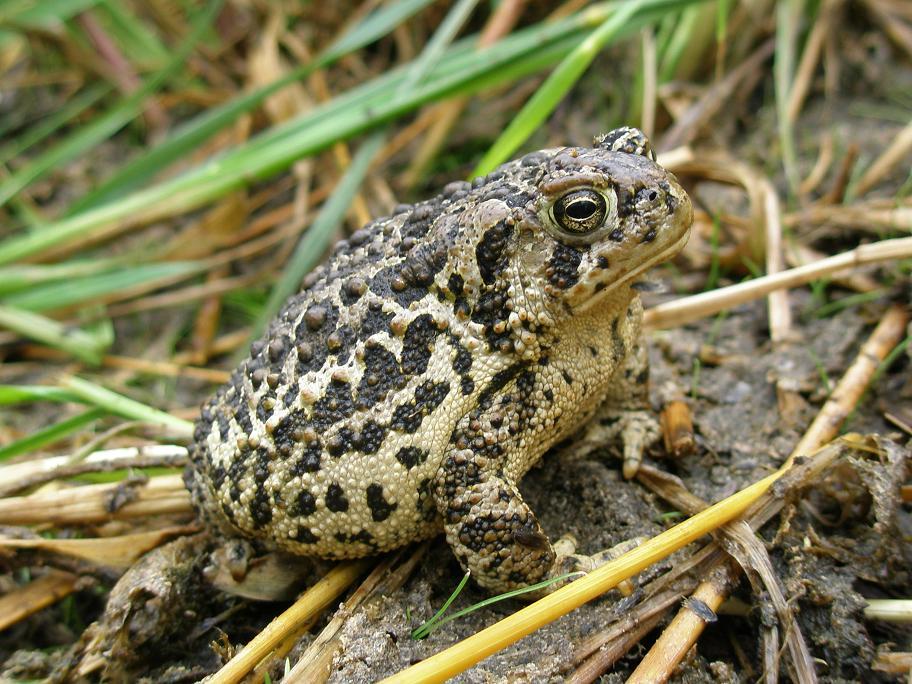 Wyoming ToadAnaxyrus baxteri
-
 Fowler's ToadAnaxyrus fowleri
-
 Western ToadAnaxyrus boreas
-
 Southern ToadAnaxyrus terrestris
-
 Woodhouse's ToadAnaxyrus woodhousii
-
 Red-spotted ToadAnaxyrus punctatus
-
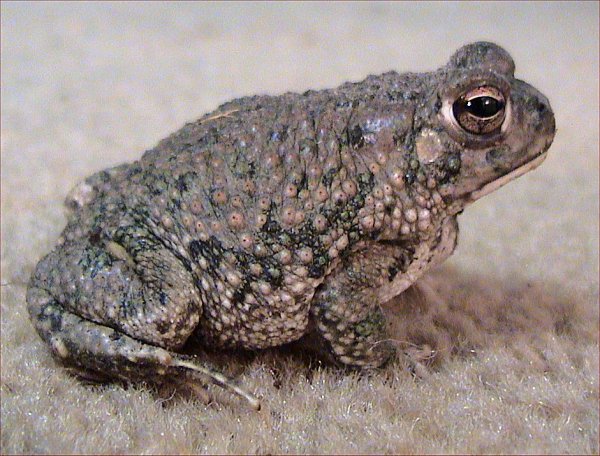 Texas ToadAnaxyrus speciosus
Compare
Questions and answers
What is the scientific name of the Black Toad?
The scientific name of the Black Toad is Anaxyrus exsul. Written with its author, the full name is Anaxyrus exsul (Myers, 1942).
Which family does the Black Toad belong to?
Anaxyrus exsul belongs to the family Bufonidae, in the order Anura and the class Amphibia.
Where is the Black Toad found?
Checklists and occurrence records place Anaxyrus exsul in 1 country: United States.
What is the conservation status of the Black Toad?
The IUCN Red List category recorded for Anaxyrus exsul is Vulnerable (VU).
What other names does the Black Toad have?
Anaxyrus exsul is also known in English as Deep Springs Toad and Inyo Toad.
How rare is a black toad?
The Black Toad inhabits fewer than twelve inland freshwater springs in a single desert basin. Its California population is patchily distributed across approximately 15 hectares.[4][38]
What does a black toad mean?
The original scientific name Bufo exsul means 'exiled toad' and refers to the species' geographic isolation.[39]
Sources
Passages the profile rests on
- Black toads are predominantly black and have light stripes and dots across their bodies. Source passage: “Black toads are primarily black with distinguishable features including light stripes and dots throughout their bodies.” — animaldiversity.org
- Males have lighter-colored throats than females. Source passage: “Males have lighter colored throats and smaller body masses” — animaldiversity.org
- Females have more spots than males. Source passage: “females are slightly larger with more spots.” — animaldiversity.org
- Black toads inhabit fewer than twelve inland freshwater springs in a single desert basin. Source passage: “Black toads are limited to less than a dozen inland freshwater springs within a single desert basin.” — animaldiversity.org
- Their habitat includes marshy wetlands formed by rainwater in the desert biome. Source passage: “Their habitats consist of marshy wetlands formed by rainwater in the desert biome.” — animaldiversity.org
- They are commonly found in shallow water with abundant vegetation. Source passage: “They are more commonly found in areas with shallow water and an abundance of vegetation.” — animaldiversity.org
- Their breeding habitats include marshes and bogs. Source passage: “When breeding, they choose areas such as marshes and bogs.” — animaldiversity.org
- Their aquatic habitats occur at elevations of 1,450–1,700 m. Source passage: “These water sources have an elevation of 1,450 to 1,700 m.” — animaldiversity.org
- Young black toads occupy shallower water than adults. Source passage: “When black toads are still young, they are found in shallower waters where they can mature completely.” — animaldiversity.org
- Black toads have been found no farther than 12 m from water. Source passage: “These toads have never been found more than 12 meters from the water.” — animaldiversity.org
- Vegetation surrounding their water sources includes beard grass, common rush, buttercups, sedges, and duckweeds. Source passage: “Vegetation surrounding water sources consist of beard grass ( Polypogon ), common rush ( Juncus ), buttercups ( Ranunculus ), sedges ( Carex ), duckweeds ( Lemna ),” — animaldiversity.org
- Black toads primarily eat insects, including ants and beetles. Source passage: “These insectivores eat smaller insects such as ants and beetles.” — animaldiversity.org
- Diptera, Coleoptera, and Hymenoptera were the insect orders most frequently found in adult and juvenile stomachs. Source passage: “Diptera , Coleoptera , and Hymenoptera species were present most frequently in adult and juvenile black toad stomachs.” — animaldiversity.org
- Young black toads consume ants, wasps, and mites. Source passage: “Younger toads eat ants, wasps, and mites” — animaldiversity.org
- Mature black toads consume larger insects, including beetles and lepidopteran larvae. Source passage: “fully mature toads eat larger insects such as beetles and Lepidoptera larvae.” — animaldiversity.org
- Mites and mollusks were frequently found in juvenile black toad stomachs. Source passage: “Mites and mollusks were found most frequently in juveniles.” — animaldiversity.org
- Tadpoles feed on organic material and minerals suspended in water. Source passage: “Tadpoles feed on organic material and minerals suspended in the water.” — animaldiversity.org
- Adults are generally active during the day but become nocturnal during hotter months. Source passage: “Adults are diurnal but become nocturnal during hotter months.” — animaldiversity.org
- Black toads become slow and inactive at temperatures around 25°C. Source passage: “They are slow and inactive at temperatures about 25˚C” — animaldiversity.org
- Their activity is generally greatest at temperatures between 17°C and 22°C. Source passage: “generally more active in temperatures ranging between 17 to 22˚C.” — animaldiversity.org
- Black toads are active from May through September and do not migrate. Source passage: “They are active from May to September and are a non-migratory species.” — animaldiversity.org
- Black toads commonly rest in clusters. Source passage: “Black toads are normally found in clusters resting.” — animaldiversity.org
- During hibernation, black toads gather in small rodent-made holes. Source passage: “During hibernation, they group together in small holes made by rodents.” — animaldiversity.org
- Hibernation burrows are commonly located 25–50 cm from water and above its level. Source passage: “These burrows are commonly found above water level, between 25 and 50 cm away from a water source.” — animaldiversity.org
- On land, black toads generally walk slowly or hop in short bursts. Source passage: “When on land, black toads commonly walk slowly or hop in short bursts.” — animaldiversity.org
- Black toads are not reported to defend territories. Source passage: “They are not reported to defend a territory.” — animaldiversity.org
- Black toads breed in aquatic habitats such as marshes and ponds. Source passage: “Breeding occurs in water sources such as marshy areas and ponds.” — animaldiversity.org
- Their mating season occurs during spring, from March to April. Source passage: “Black toad mating season takes place in the spring from March to April.” — animaldiversity.org
- Females can ovulate in November but deposit their eggs in spring. Source passage: “They can ovulate in November, but lay their eggs in the spring.” — animaldiversity.org
- Black toads reproduce through external fertilization. Source passage: “Males externally fertilize the female’s eggs.” — animaldiversity.org
- During mating, males attach to the backs of females in amplexus. Source passage: “During breeding, black toads join in amplexus where a male attaches to a female’s back.” — animaldiversity.org
- Females lay approximately 16,000 eggs at a time. Source passage: “Approximately 16,000 eggs are laid at one time” — animaldiversity.org
- Eggs are deposited in shallow, vegetated water and commonly occur in linked groups. Source passage: “eggs are linked together and commonly dropped in close proximity to each other in shallow vegetated areas.” — animaldiversity.org
- Black toads are iteroparous and produce multiple egg clutches across multiple breeding seasons. Source passage: “Females are oviparous and iteroparous, meaning that they lay multiple clutches of eggs across multiple seasons.” — animaldiversity.org
- Black toads reach full maturity in less than one year. Source passage: “These toads have indeterminate growth and take less than a year to fully mature.” — animaldiversity.org
- Black toad adults provide no parental care after mating. Source passage: “Once mating occurs, black toad parents leave and do not return to the mating site.” — animaldiversity.org
- All native habitat of the black toad is owned by Deep Springs College. Source passage: “All native habitat for the black toad is owned by Deep Springs College.” — amphibiaweb.org
- The California population is patchily distributed across approximately 15 hectares. Source passage: “The entire population is patchily distributed within an area of 15 ha.” — animaldiversity.org
- The original scientific name Bufo exsul means 'exiled toad' and refers to the species' geographic isolation. Source passage: “its original scientific name, Bufo exsul, means "exiled toad", which refers to its species' isolation” — English Wikipedia
Data
- Catalogue of Life, 2026-10-16 XR cc by
- Global Biodiversity Information Facility CC BY 4.0
- Wikidata CC0
- GeoNames CC BY 4.0
- Wikimedia Commons per image; credit shown with each image
- Within the Catalogue of Life, this name comes from The Integrated Taxonomic Information System cc0
References
- Crother, Brian I., Jeff Boundy, Frank T. Burbrink, et al. / Moriarty, John J., ed. (2008). Scientific and Standard English Names of Amphibians and Reptiles of North America North of Mexico, With Comments Regarding Confidence in Our Understanding, Sixth Ed. Herpetological Circular No. 37.
This species in other databases
Page built on 29 November 2026. See how the catalog is made and all sources and licences.
Cite this page
ScientificNames.org. (2026). Anaxyrus exsul (Black Toad). Retrieved November 29, 2026, from https://scientificnames.org/species/anaxyrus-exsul
“Anaxyrus exsul (Black Toad).” ScientificNames.org, 2026, scientificnames.org/species/anaxyrus-exsul. Accessed 29 Nov. 2026.
ScientificNames.org. “Anaxyrus exsul (Black Toad).” Accessed November 29, 2026. https://scientificnames.org/species/anaxyrus-exsul.
@misc{scientificnames_anaxyrus_exsul_black_toad,
  author = {{ScientificNames.org}},
  title = {Anaxyrus exsul (Black Toad)},
  year = {2026},
  url = {https://scientificnames.org/species/anaxyrus-exsul},
  note = {Accessed 2026-11-29}
}