Species · Flowering plants
Apuleia leiocarpa
Apuleia leiocarpa has no English name on record in the checklists used here. It is a species of flowering plant in the family Fabaceae (bean), order Fabales.
- Scientific name
- Apuleia leiocarpa (Vogel) J.F.Macbr.
- Genus
- Apuleia
- Family
- Fabaceae (Bean)
- Order
- Fabales
- Class
- Magnoliopsida
- Red List category
- LC Least Concern
- Recorded in
- 8 countries
- Name status
- accepted in the Catalogue of Life

Overview
Apuleia leiocarpa occupies the upper stratum of tall forests and also grows in secondary forests, sometimes forming pure stands. It is distinguished by a flattened, wide and dense crown, a very long trunk with basal fins, and small white flowers that bloom when the leaves fall.
Written 26 November 2026 from the sources listed below. Each statement was checked against the passage it cites; statements that could not be supported were removed.
Appearance
Apuleia leiocarpa has a flattened, wide and dense crown. Its slightly tortuous, very long trunk has basal fins, and its bark develops a rhytidome that splits into discs.[1][2][3]
Its compound imparipinnate leaves consist of leaflets approximately 6 cm long. The species produces small white flowers arranged in clusters, which bloom when the leaves fall.[4][5][6]
Its legume fruits contain two to three seeds. The fruits measure approximately 4 cm in length, and the seeds measure approximately 5 mm.[7][8][9]
Habitat
The species occupies the upper stratum of tall forests. It also grows in secondary forests, sometimes forming pure stands.[10][11]
Behaviour
Apuleia leiocarpa grows very slowly until middle age. Its annual height growth during the described growth phase is approximately 80–100 mm.[12][13]
The species is heliophytic but also partly sciophytic.[14]
Reproduction and life cycle
The species flowers from September through November in the Southern Hemisphere. Its fruiting period extends from October through December.[15][16]
Seeds are harvested from November through February.[17]
Uses
Apuleia leiocarpa produces yellow wood with a specific gravity of approximately 0.8 g/cm³. Its wood has good workability, high resistance to weathering and dimensional stability.[18][19][20][21]
Its wood is used for construction, door frames, windows, vehicle bodywork, floors and coatings.[22]
Diet
A behavioral ecology study reported that one study group devoted 23.3% of its time to Apuleia leiocarpa.[23]
A study of golden-capped parakeet foraging included Apuleia leiocarpa among the plant species recorded.[24]
Classification of Apuleia leiocarpa
| Kingdom | Plantae |
|---|---|
| Subkingdom | Pteridobiotina |
| Phylum | Tracheophyta |
| Class | Magnoliopsida |
| Order | Fabales |
| Family | Fabaceae (Bean) |
| Genus | Apuleia |
| Species | Apuleia leiocarpa (Vogel) J.F.Macbr. |
Where Apuleia leiocarpa is found
Checklists and occurrence records place Apuleia leiocarpa in 8 countries across South America. GBIF holds 6,976 georeferenced records of it.
Countries
Regions and cities with the most records
- Bahia, Brazil 2,911
- Rio de Janeiro, Brazil 173
- Goiás, Brazil 158
- Mato Grosso, Brazil 137
- Minas Gerais, Brazil 130
- Bolívar, Colombia 104
- Plato, Colombia 103
- Casanare Department, Colombia 102
- La Paz Department, Bolivia 94
- Rondônia, Brazil 87
- Pará, Brazil 77
- Paraíba, Brazil 66
- Santa Cruz Department, Bolivia 61
- Rio Grande do Norte, Brazil 56
- São Paulo, Brazil 56
- Espírito Santo, Brazil 55
- Paraná, Brazil 53
- Pernambuco, Brazil 53
- Tocantins, Brazil 53
- Acre, Brazil 52
- Aguazul, Colombia 44
- Santa Catarina, Brazil 42
- Meta Department, Colombia 41
- Guaviare Department, Colombia 40
- Vichada Department, Colombia 40
- Conde, Brazil 39
- Sergipe, Brazil 39
- João Pessoa, Brazil 37
- Bayeux, Brazil 36
- Yopal, Colombia 35
- Alagoas, Brazil 33
- Cabedelo, Brazil 33
- Rio Grande do Sul, Brazil 33
- Santa Rita, Brazil 33
- Acari, Brazil 32
- Núcleo Bandeirante, Brazil 31
1 more country has a few records outside this range
These countries hold a few records of Apuleia leiocarpa but lie outside the range the checklists give for it. Such records are often zoo or garden specimens, museum material or vagrants, so the species is not counted as occurring there.
A number beside a place is its count of GBIF occurrence records. A place without a number comes from a checklist alone. Records show where a species has been observed or collected, which can include escapes and vagrants.
Common names
Names in 4 other languages
- Chinese
- 平滑果铁苏木
- Portuguese
- Amarelinho, Barapibo, Cumarurana, Garapa-amarela, Garapa-branca, Grapiapunha, Grapiá, Grápia
- Slovak
- garapa hladkoplodá
- Spanish
- Anacaspi
Synonyms
12 other scientific names have been used for this species and are now treated as synonyms of Apuleia leiocarpa.
- Apoleya leiocarpa (Vogel) Gleason
- Apoleya molaris (Spruce ex Benth.) Gleason
- Apuleia grazielana Afr.Fern.
- Apuleia leiocarpa var. molaris (Spruce ex Benth.) Köppen
- Apuleia molaris Spruce ex Benth.
- Apuleia polygamia Saldanha
- Apuleia praecox Mart.
- Dalbergia cucullata Pittier
- Leptolobium leiocarpum Vogel
- Platymiscium ellipticum Rusby
- Zenkeria dalbergioides Arn.
- Zenkeria lundii Didr.
Related species
-
 PeanutArachis hypogaea
-
 LiquoriceGlycyrrhiza glabra
-
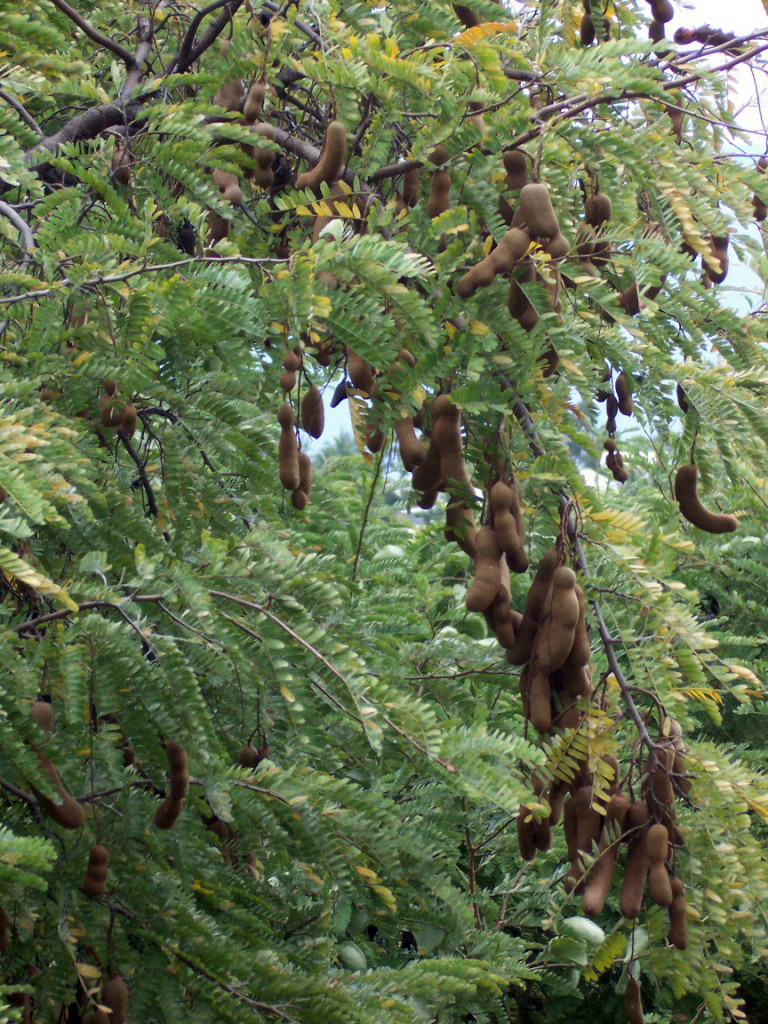 TamarindTamarindus indica
-
 ChickpeaCicer arietinum
-
 SoybeanGlycine max
-
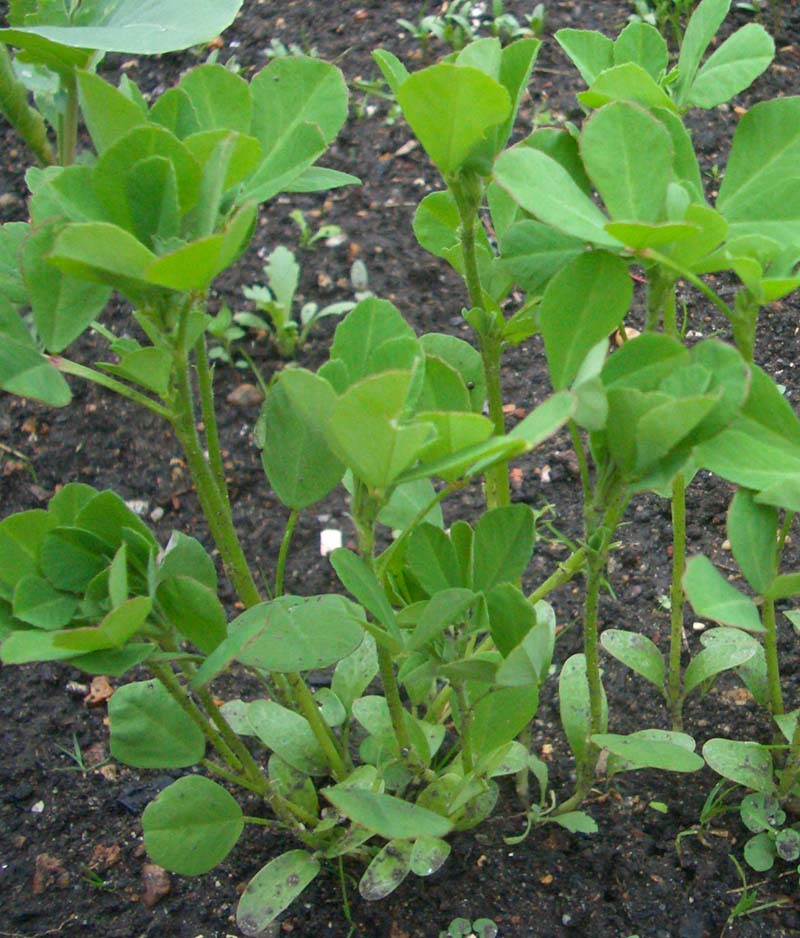 FenugreekTrigonella foenum-graecum
-
 RooibosAspalathus linearis
-
 Broad BeanVicia faba
Compare
Questions and answers
What is the height of Apuleia leiocarpa?
It reaches a height of 25–40 m.[25]
Where is Apuleia leiocarpa native?
It is native to northern South America, including Colombia, Venezuela, Ecuador, Peru, Bolivia, Brazil, Paraguay, Uruguay and northeastern Argentina.[26]
Sources
Passages the profile rests on
- Apuleia leiocarpa has a flattened, wide and dense crown. Source passage: “It has a flattened, wide, dense crown.” — English Wikipedia
- The species has a slightly tortuous, very long trunk with basal fins. Source passage: “with a slightly tortuous and very long trunk, with fins at the base.” — English Wikipedia
- Its bark develops a rhytidome that splits into discs. Source passage: “Rhytidoma that splits into discs.” — English Wikipedia
- Its compound imparipinnate leaves consist of leaflets approximately 6 cm long. Source passage: “Leaves imparipinadas composed, 05.11 leaflets 6 cm (2.4 in) long.” — English Wikipedia
- The species produces small white flowers arranged in clusters. Source passage: “It has small white flowers in clusters” — English Wikipedia
- Its flowers bloom when the leaves fall. Source passage: “blooming when the leaves fall.” — English Wikipedia
- Its legume fruits contain two to three seeds. Source passage: “The legume fruit is 4 cm (1.6 in) long, with 2-3 seeds” — English Wikipedia
- Its legume fruits measure approximately 4 cm in length. Source passage: “The legume fruit is 4 cm (1.6 in) long” — English Wikipedia
- Its seeds measure approximately 5 mm. Source passage: “which are 5 mm (0.20 in)” — English Wikipedia
- The species occupies the upper stratum of tall forests. Source passage: “It belongs to the upper stratum of tall forests.” — English Wikipedia
- Apuleia leiocarpa grows in secondary forests, sometimes forming pure stands. Source passage: “It reproduces very abundantly in secondary forests; sometimes in pure groupings.” — English Wikipedia
- The species grows very slowly until middle age. Source passage: “It grows very slowly, until its middle age” — English Wikipedia
- Its annual height growth during the described growth phase is approximately 80–100 mm. Source passage: “which grows at a rate of 80–100 mm (3.1–3.9 in) in height per year.” — English Wikipedia
- Apuleia leiocarpa is heliophytic but also partly sciophytic. Source passage: “It is heliophyte, but partly sciophyte.” — English Wikipedia
- The species flowers from September through November in the Southern Hemisphere. Source passage: “It flowers (austral) from September to November” — English Wikipedia
- Its fruiting period extends from October through December. Source passage: “fruiting from October to December” — English Wikipedia
- Seeds are harvested from November through February. Source passage: “seed is harvested from November to February.” — English Wikipedia
- The species produces yellow wood with a specific gravity of approximately 0.8 g/cm³. Source passage: “It is yellow, with a specific gravity of 0.8 g / cm3” — English Wikipedia
- Its wood has good workability. Source passage: “with good workability.” — English Wikipedia
- Its wood has high resistance to weathering. Source passage: “It has high resistance to weathering” — English Wikipedia
- Its wood is dimensionally stable. Source passage: “and is dimensionally stable.” — English Wikipedia
- The wood is used for construction, door frames, windows, vehicle bodywork, floors and coatings. Source passage: “For construction, door frames, windows, bodywork, floors, coatings.” — English Wikipedia
- A behavioral ecology study reported that one study group devoted 23.3% of its time to Apuleia leiocarpa. Source passage: “HG devoted a disproportionate amount of time to Apuleia leiocarpa, spending 23.3% of” — pmc.ncbi.nlm.nih.gov
- A study of golden-capped parakeet foraging included Apuleia leiocarpa among the plant species recorded. Source passage: “Apuleia leiocarpa. Bauhinia variegata” — digitalcommons.usf.edu
- Apuleia leiocarpa reaches a height of 25–40 m. Source passage: “It reaches 25–40 m (82–131 ft) in height” — English Wikipedia
- Apuleia leiocarpa is native to northern South America, including Colombia, Venezuela, Ecuador, Peru, Bolivia, Brazil, Paraguay, Uruguay and northeastern Argentina. Source passage: “A tree native to northern South America, from Colombia and Venezuela to Ecuador, Peru, Bolivia, Brazil, Paraguay, Uruguay, and northeastern Argentina.” — English Wikipedia
Data
- Catalogue of Life, 2026-10-16 XR cc by
- Global Biodiversity Information Facility CC BY 4.0
- Wikidata CC0
- GeoNames CC BY 4.0
- Wikimedia Commons per image; credit shown with each image
- Within the Catalogue of Life, this name comes from The World Checklist of Vascular Plants (WCVP): Fabaceae cc by
References
- Contr. Gray Herb. 59: 23 (1919) where the name was published
This species in other databases
- Catalogue of Life FZBW
- Wikidata Q1493913
- iNaturalist 747134
- World Flora Online wfo-0000186778
- GRIN 314010
Page built on 29 November 2026. See how the catalog is made and all sources and licences.
Cite this page
ScientificNames.org. (2026). Apuleia leiocarpa. Retrieved November 29, 2026, from https://scientificnames.org/species/apuleia-leiocarpa
“Apuleia leiocarpa.” ScientificNames.org, 2026, scientificnames.org/species/apuleia-leiocarpa. Accessed 29 Nov. 2026.
ScientificNames.org. “Apuleia leiocarpa.” Accessed November 29, 2026. https://scientificnames.org/species/apuleia-leiocarpa.
@misc{scientificnames_apuleia_leiocarpa,
  author = {{ScientificNames.org}},
  title = {Apuleia leiocarpa},
  year = {2026},
  url = {https://scientificnames.org/species/apuleia-leiocarpa},
  note = {Accessed 2026-11-29}
}