Species · Birds
Indian Pond Heron Ardeola grayii
The scientific name of the Indian Pond Heron is Ardeola grayii. It is a species of bird in the family Ardeidae (heron), order Pelecaniformes. The name dates from 1832.
- Scientific name
- Ardeola grayii (Sykes, 1832)
- Common name
- Indian Pond Heron
- Genus
- Ardeola
- Family
- Ardeidae (Heron)
- Order
- Pelecaniformes
- Class
- Aves
- Red List category
- LC Least Concern
- Environment
- freshwater, terrestrial
- Recorded in
- 22 countries
- Name status
- accepted in the Catalogue of Life

Overview
The Indian Pond Heron (Ardeola grayii) is a small heron in the family Ardeidae, order Pelecaniformes and class Aves. It is common across most aquatic habitats of the Indian subcontinent. Its bright white wings contrast with its streaked olive and brown body when it flies.
Written 26 November 2026 from the sources listed below. Each statement was checked against the passage it cites; statements that could not be supported were removed.
Appearance
The Indian Pond Heron has a stocky body, short neck, short thick bill and buff-brown back. Adults develop long neck feathers during summer.[1][2]
Its bright white wings contrast with its streaked olive and brown body in flight. It is darker-backed than the Squacco Heron.[3][4]
Erythristic plumage has been recorded in the species. Some individuals have been recorded with red legs during the breeding season.[5][6]
Habitat
The Indian Pond Heron forages in marshy wetlands and commonly feeds along pond edges. It uses floating vegetation, including water hyacinth, to reach deeper water.[7][8][9]
During dry seasons, it sometimes forages on well-watered lawns and dry grassland. It also sometimes roosts in avenue trees in busy urban areas.[10][11]
Behaviour
Indian Pond Herons are usually solitary when foraging. During dry seasons, several individuals may forage close together when prey is concentrated in small wetlands.[12][13]
The species may forage at garbage heaps. It generally allows close approach and flies away only when approached closely.[14][15]
It sometimes swims on water or catches fish while flying. It also sometimes flies low over water to drive frogs and fish towards the shore.[16][17]
The species has been observed using bread crumbs as bait to attract fish. It is usually silent but may give a harsh croak when alarmed.[18][19]
Reproduction and life cycle
The Indian Pond Heron is a semi-colonial breeder. Its breeding season begins with the onset of the monsoons, and it nests in small colonies, often alongside other wading birds.[20][21][22]
The species generally builds nests on stick platforms in trees or shrubs. Most nests are built approximately 9–10 metres above the ground in large leafy trees.[23][24]
The male collects nesting material while the female constructs the nest. A typical clutch contains three to five eggs, which hatch asynchronously over a period of 18–24 days.[25][26][27]
Both parents feed the young, with fish providing the main food for nestlings. Undisturbed nesting sites may be reused in successive years.[28][29][30]
Similar species
The Indian Pond Heron is darker-backed than the Squacco Heron.[4]
Uses
Feathers of the Indian Pond Heron were collected and exported to Britain during the height of the plume trade.[31]
Classification of the Indian Pond Heron
| Kingdom | Animalia |
|---|---|
| Phylum | Chordata |
| Subphylum | Vertebrata |
| Infraphylum | Gnathostomata |
| Parvphylum | Osteichthyes |
| Megaclass | Tetrapoda |
| Class | Aves (Bird) |
| Order | Pelecaniformes (Herons) |
| Family | Ardeidae (Heron) |
| Genus | Ardeola (Pond Heron) |
| Species | Ardeola grayii (Sykes, 1832) |
Where the Indian Pond Heron is found
Checklists and occurrence records place Ardeola grayii in 22 countries across Asia. GBIF holds 844,140 georeferenced records of it.
Countries
- Afghanistan 8
- Bangladesh 11,774
- Bhutan 687
- British Indian Ocean Territory 119
- China 24
- Finland 5
- India 765,719
- Iran 408
- Kuwait 42
- Malaysia 151
- Maldives 224
- Myanmar 1,523
- Nepal 17,208
- Oman 2,856
- Pakistan 2,905
- Qatar 6
- Singapore 255
- Sri Lanka 38,245
- Taiwan 14
- Thailand 581
- United Arab Emirates 1,338
- Yemen 48
Regions and cities with the most records
- Kerala, India 134,211
- Karnataka, India 121,382
- Tamil Nadu, India 116,639
- Maharashtra, India 88,354
- Bengaluru, India 46,138
- Electronic City Phase I, India 38,008
- koppana Agrahara, India 37,906
- Gujarat, India 36,430
- Hebbagodi, India 35,695
- Bommasandra Industrial Area, India 34,908
- Madhya Pradesh, India 33,146
- West Bengal, India 32,208
- Tripunittura, India 29,492
- Maradu, India 29,450
- Jigani, India 29,241
- Thiruvankulam, India 29,100
- Yelahanka, India 28,452
- Kochi, India 28,435
- Kumbalam, India 28,349
- Manakunnam, India 27,059
- Mulamthuruthy, India 26,467
- Kanayannur, India 25,992
- Arukutti, India 25,400
- Vypīn, India 25,108
- Aroor, India 24,974
- Rajasthan, India 24,095
- Kutiatodu, India 20,997
- Ezhupunna, India 20,877
- Kakkanad, India 20,855
- Vazhakkala, India 20,766
- Thanneermukkom, India 20,218
- Kodamthuruth, India 20,216
- Choornikkara, India 19,993
- Edattala, India 19,982
- Assam, India 19,942
- Kadungalūr, India 19,874
1 more country has a few records outside this range
These countries hold a few records of Ardeola grayii but lie outside the range the checklists give for it. Such records are often zoo or garden specimens, museum material or vagrants, so the species is not counted as occurring there.
Range as the checklists state it
Europe & Northern Asia (excluding China)
Southern Asia
A number beside a place is its count of GBIF occurrence records. A place without a number comes from a checklist alone. Records show where a species has been observed or collected, which can include escapes and vagrants.
Common names
English
- Indian Pond Heron
- Indian Pond-Heron
Names in 51 other languages
- Arabic
- بلشون البرك الهندي
- Bengali
- দেশি কানিবক
- Bulgarian
- Индийска гривеста чапла
- Catalan
- Toret de l'Índia, martinet ros de l'Índia
- Chinese
- 印度池鷺, 印度池鹭
- Croatian
- indijska čaplja
- Czech
- volavka hnědohřbetá
- Danish
- Rishejre
- Dutch
- Indische Ralreiger
- Esperanto
- Hinda ardeo, hindia ralardeo
- Estonian
- india tiigihaigur
- Finnish
- intianriisihaikara
- French
- Crabier de Gray
- German
- Paddy-Reiher, Paddyreiher
- Gujarati
- કાંણી બગલી
- Hebrew
- אנפית סוף הודית
- Hungarian
- indiai üstökösgém
- Icelandic
- Tjarnhegri
- Irish
- Corr locha Indiach
- Italian
- Sgarza indiana
- Japanese
- インドアカガシラサギ
- Kannada
- ಕೊಳದ ಬಕ
- Kazakh
- Үндi құтаны
- Latvian
- dīķu gārnis
- Lithuanian
- mangrovinis kūdrinis garnys
- Malay
- Burung Pucong Bakau
- Malayalam
- കുളക്കൊക്ക്
- Marathi
- वंचक
- Nepali
- आसकोटे बकुल्ला
- Northern Sami
- Indiaruškesháigir
- Norwegian
- mangrovehegre
- Persian
- حواصیل برکهنشین هندی, حواصیل هندی
- Polish
- czapla siodłata
- Portuguese
- papa-ratos-indiano
- Punjabi
- ਛੱਪੜੀ ਬਗਲਾ
- Russian
- Индийская жёлтая цапля, Индийская прудовая цапля
- Serbian
- Indijska žuta čaplja, Индијска жута чапља
- Sinhala
- කණ-කොකා
- Slovak
- čaplička ryžová
- Slovenian
- indijska čopasta čaplja
- Spanish
- Garcilla hindú, Garcilla india
- Swedish
- rishäger
- Tamil
- குளத்துக் கொக்கு
- Thai
- นกยางกรอกพันธุ์อินเดีย
- Turkish
- Hint Alaca Balıkçılı
- Ukrainian
- чапля індійська
- Welsh
- crëyr pyllau India
- asm
- কণামুছৰি
- div
- ހުވަދޫ ރާބޮނދި, ހުދުފިޔަ ރާބޮނދި
- mnw
- ပံက်ကိုပ်၊ ဂစေံ
- pnb
- چھپڑی بگلا
Synonyms
3 other scientific names have been used for this species and are now treated as synonyms of Ardeola grayii.
- Ardea grayii Sykes, 1832
- Ardeola grayii grayii Sykes, WH, 1832
- Ardeola grayii phillipsi Scheer, 1960
Related species
-
 Squacco HeronArdeola ralloides
-
 Chinese Pond HeronArdeola bacchus
-
 Javan Pond HeronArdeola speciosa
-
 Malagasy Pond HeronArdeola idae
-
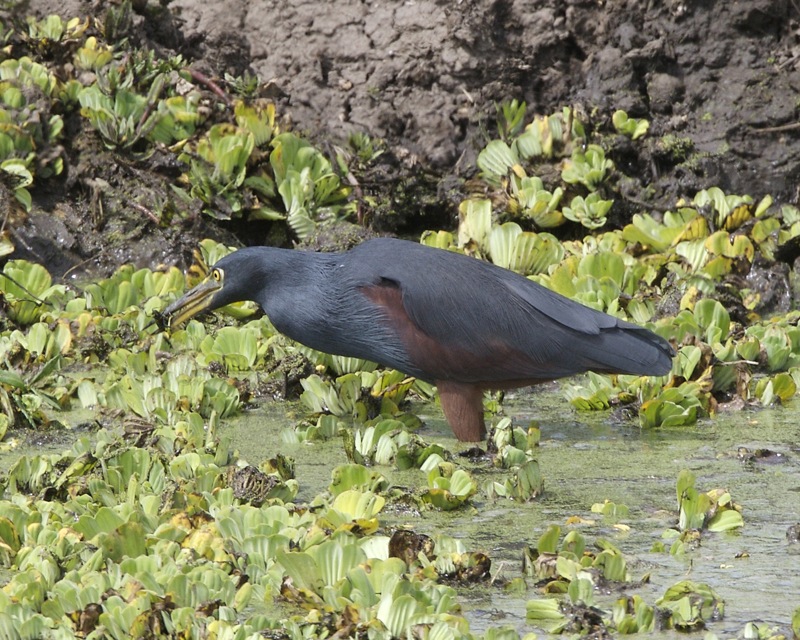 Rufous-bellied HeronArdeola rufiventris
-
 Great Blue HeronArdea herodias
-
 Great EgretArdea alba
-
 Grey HeronArdea cinerea
Compare
Questions and answers
What is the scientific name of the Indian Pond Heron?
The scientific name of the Indian Pond Heron is Ardeola grayii. Written with its author, the full name is Ardeola grayii (Sykes, 1832).
Which family does the Indian Pond Heron belong to?
Ardeola grayii belongs to the family Ardeidae, in the order Pelecaniformes and the class Aves.
Where is the Indian Pond Heron found?
Checklists and occurrence records place Ardeola grayii in 22 countries, including India, Sri Lanka, Nepal, Bangladesh, Pakistan and Oman.
What is the conservation status of the Indian Pond Heron?
The IUCN Red List category recorded for Ardeola grayii is Least Concern (LC).
What other names does the Indian Pond Heron have?
Ardeola grayii is also known in English as Indian Pond-Heron.
What do herons eat in ponds?
The Indian Pond Heron eats crustaceans, aquatic insects, fish, tadpoles and occasionally leeches.[32]
Sources
Passages the profile rests on
- The Indian Pond Heron has a stocky body, short neck, short thick bill and buff-brown back. Source passage: “Indian pond herons are stocky with short necks, short thick bills and buff-brown backs.” — English Wikipedia
- Adult Indian Pond Herons develop long neck feathers during summer. Source passage: “In summer, adults have long neck feathers.” — English Wikipedia
- The bird has bright white wings that contrast with its streaked olive and brown body when it flies. Source passage: “with bright white wings flashing in contrast to the cryptic streaked olive and brown colours of the body.” — English Wikipedia
- The Indian Pond Heron is darker-backed than the Squacco Heron. Source passage: “They are very similar to the squacco herons, Ardeola ralloides, but darker backed.” — English Wikipedia
- Erythristic plumage has been recorded in the Indian Pond Heron. Source passage: “Erythristic plumage has been noted.” — English Wikipedia
- Some individuals have been recorded with red legs during the breeding season. Source passage: “During the breeding season, there are records of individuals with red legs.” — English Wikipedia
- The Indian Pond Heron forages in marshy wetlands. Source passage: “The Indian pond heron's feeding habitat is marshy wetlands.” — English Wikipedia
- The species commonly feeds along pond edges. Source passage: “They usually feed at the edge of ponds” — English Wikipedia
- The species uses floating vegetation, including water hyacinth, to reach deeper water. Source passage: “make extensive use of floating vegetation such as water hyacinth to access deeper water.” — English Wikipedia
- Indian Pond Herons sometimes forage on well-watered lawns and dry grassland during dry seasons. Source passage: “During dry seasons, they sometimes take to foraging on well watered lawns or even dry grassland.” — English Wikipedia
- The species sometimes roosts in avenue trees in busy urban areas. Source passage: “They sometimes form communal roosts, often in avenue trees over busy urban areas.” — English Wikipedia
- Indian Pond Herons are usually solitary when foraging. Source passage: “are usually solitary foragers” — English Wikipedia
- Several individuals may forage close together during dry seasons when prey is concentrated in small wetlands. Source passage: “numbers of them may sometimes feed in close proximity during the dry seasons when small wetlands have a high concentration of prey.” — English Wikipedia
- The species may forage at garbage heaps. Source passage: “They may also forage at garbage heaps.” — English Wikipedia
- Indian Pond Herons generally allow close approach and fly away only when approached closely. Source passage: “When foraging, they allow close approach and flush only at close range.” — English Wikipedia
- The species sometimes swims on water or catches fish while flying. Source passage: “They may also on occasion swim on water or fish from the air and land in deeper waters.” — English Wikipedia
- Indian Pond Herons sometimes fly low over water to drive frogs and fish towards the shore. Source passage: “Sometimes, they fly low over water to drive frogs and fishes towards the shore” — English Wikipedia
- The species has been observed using bread crumbs as bait to attract fish. Source passage: “They have been noted to pick up crumbs of bread and drop them on the water surface to bait fishes.” — English Wikipedia
- Indian Pond Herons are usually silent but may give a harsh croak when alarmed. Source passage: “They are usually silent but may make a harsh croak in alarm when flushed or near their nests.” — English Wikipedia
- The species is a semi-colonial breeder. Source passage: “They are semi-colonial breeders.” — English Wikipedia
- The breeding season begins with the onset of the monsoons. Source passage: “The breeding season begins with the onset of the monsoons.” — English Wikipedia
- Indian Pond Herons nest in small colonies, often alongside other wading birds. Source passage: “They nest in small colonies, often with other wading birds” — English Wikipedia
- The species generally builds nests on stick platforms in trees or shrubs. Source passage: “usually on platforms of sticks in trees or shrubs.” — English Wikipedia
- Most nests are built approximately 9–10 metres above the ground in large leafy trees. Source passage: “Most nests are built at a height of about 9 to 10 m in large leafy trees.” — English Wikipedia
- The male collects nesting material while the female constructs the nest. Source passage: “The nest material is collected by the male while the female builds the nest.” — English Wikipedia
- A typical clutch contains three to five eggs. Source passage: “Three to five eggs are laid.” — English Wikipedia
- The eggs hatch asynchronously over a period of 18–24 days. Source passage: “The eggs hatch asynchronously, taking 18 to 24 days to hatch.” — English Wikipedia
- Both parents feed the young. Source passage: “Both parents feed the young.” — English Wikipedia
- Fish are the main food provided to nestlings. Source passage: “Fish are the main diet fed to young.” — English Wikipedia
- Undisturbed nesting sites may be reused in successive years. Source passage: “Nest sites that are not disturbed may be reused year after year.” — English Wikipedia
- Feathers of the Indian Pond Heron were collected and exported to Britain during the height of the plume trade. Source passage: “During the height of the plume trade, feathers were collected from the "paddy bird" and exported to Britain.” — English Wikipedia
- The Indian Pond Heron's primary food includes crustaceans, aquatic insects, fish, tadpoles and occasionally leeches. Source passage: “The primary food of these birds includes crustaceans, aquatic insects, fishes, tadpoles and sometimes leeches” — English Wikipedia
- The Indian Pond Heron is common across most aquatic habitats of the Indian subcontinent. Source passage: “A small heron that is common in most aquatic habitats across the Indian subcontinent.” — ebird.org
Data
- Catalogue of Life, 2026-10-16 XR cc by
- Global Biodiversity Information Facility CC BY 4.0
- Wikidata CC0
- GeoNames CC BY 4.0
- Wikimedia Commons per image; credit shown with each image
- Within the Catalogue of Life, this name comes from The Integrated Taxonomic Information System cc0
References
- Gill, Frank, & and Minturn Wright. (2006). Birds of the World: Recommended English Names.
This species in other databases
- Catalogue of Life GCMJ
- Wikidata Q498428
- iNaturalist 4993
- WoRMS urn:lsid:marinespecies.org:taxname:1034979
- Avibase inpher1
Page built on 26 November 2026. See how the catalog is made and all sources and licences.
Cite this page
ScientificNames.org. (2026). Ardeola grayii (Indian Pond Heron). Retrieved November 26, 2026, from https://scientificnames.org/species/ardeola-grayii
“Ardeola grayii (Indian Pond Heron).” ScientificNames.org, 2026, scientificnames.org/species/ardeola-grayii. Accessed 26 Nov. 2026.
ScientificNames.org. “Ardeola grayii (Indian Pond Heron).” Accessed November 26, 2026. https://scientificnames.org/species/ardeola-grayii.
@misc{scientificnames_ardeola_grayii_indian_pond_heron,
  author = {{ScientificNames.org}},
  title = {Ardeola grayii (Indian Pond Heron)},
  year = {2026},
  url = {https://scientificnames.org/species/ardeola-grayii},
  note = {Accessed 2026-11-26}
}