Species · Flowering plants
Red Angelim Dinizia excelsa
The scientific name of the Red Angelim is Dinizia excelsa. It is a species of flowering plant in the family Fabaceae (bean), order Fabales.
- Scientific name
- Dinizia excelsa Ducke
- Common name
- Red Angelim
- Genus
- Dinizia
- Family
- Fabaceae (Bean)
- Order
- Fabales
- Class
- Magnoliopsida
- Red List category
- LC Least Concern
- Recorded in
- 4 countries
- Name status
- accepted in the Catalogue of Life

Overview
Dinizia excelsa occurs in Guyana, Suriname and the Brazilian Amazon, with a native range extending from the Guianas to western Brazil. It is the tallest-growing species in the legume family, Fabaceae, and can reach heights of 60 metres or more.
Written 26 November 2026 from the sources listed below. Each statement was checked against the passage it cites; statements that could not be supported were removed.
Appearance
Red Angelim has an unarmed, cylindrical trunk. Its heartwood is reddish brown, while its sapwood is slightly paler.[1][2]
The species develops large, flat, woody legume pods containing several seeds. Its trunk can reach 3 metres in diameter at soil level, and it can develop buttresses reaching 4–5 metres in height.[3][4][5]
Mature specimens typically have a diameter at breast height of 80–200 centimetres. The bole of larger specimens measures approximately 15–22.5 metres in length.[6][7]
Habitat
Red Angelim grows in non-inundated moist forests and upland mixed forests. It also occurs in tropical forests on terra firme, tropical upland evergreen forests and tropical dry forests.[8][9][10]
The species has been recorded at elevations between 50 and 490 metres and primarily grows in the wet tropical biome.[11][12]
Diet
The seeds of Red Angelim are eaten by macaws and other parrot species.[13]
Behaviour
The fruit pods of Red Angelim are dispersed by wind. Rodents and other mammals secondarily disperse the seeds.[14][15]
Conservation
In 2024, 560,000 hectares of the area containing the record-breaking tree and other giant trees were upgraded to full protection under the State Park category. The protected area is called the Giant Trees of the Amazon State Park.[16][17]
Logging can no longer be proposed within the newly established fully protected conservation area. Scientific research and ecotourism are permitted in the park.[18][19]
Uses
The wood can produce a strong, unpleasant odour that may persist for years, particularly after rain. This odour is attributed to the presence of butyric acid.[20][21]
Classification of the Red Angelim
| Kingdom | Plantae |
|---|---|
| Subkingdom | Pteridobiotina |
| Phylum | Tracheophyta |
| Class | Magnoliopsida |
| Order | Fabales |
| Family | Fabaceae (Bean) |
| Genus | Dinizia |
| Species | Dinizia excelsa Ducke |
Where the Red Angelim is found
Checklists and occurrence records place Dinizia excelsa in 4 countries across South America. GBIF holds 676 georeferenced records of it.
Countries
Regions and cities with the most records
- Amazonas, Brazil 113
- Rondônia, Brazil 74
- Pará, Brazil 46
- Amapá, Brazil 43
- Manaus, Brazil 34
- Mato Grosso, Brazil 26
- Aripuanã, Brazil 11
- Upper Takutu-Upper Essequibo, Guyana 10
- Sipaliwini District, Suriname 8
- Careiro da Várzea, Brazil 3
- Porto Velho, Brazil 3
- Roraima, Brazil 3
A number beside a place is its count of GBIF occurrence records. A place without a number comes from a checklist alone. Records show where a species has been observed or collected, which can include escapes and vagrants.
Common names
English
- Red Angelim
Names in 3 other languages
- Portuguese
- Angelim, Angelim-falso, Angelim-pedra, Angelim-pedra-verdadeiro, Angelim-vermelho, Faveira, Faveira-dura, Faveira-ferro
- Slovak
- dinízia statná
- Spanish
- kuraru
Related species
-
 Dinizia jueirana-facao
-
 PeanutArachis hypogaea
-
 LiquoriceGlycyrrhiza glabra
-
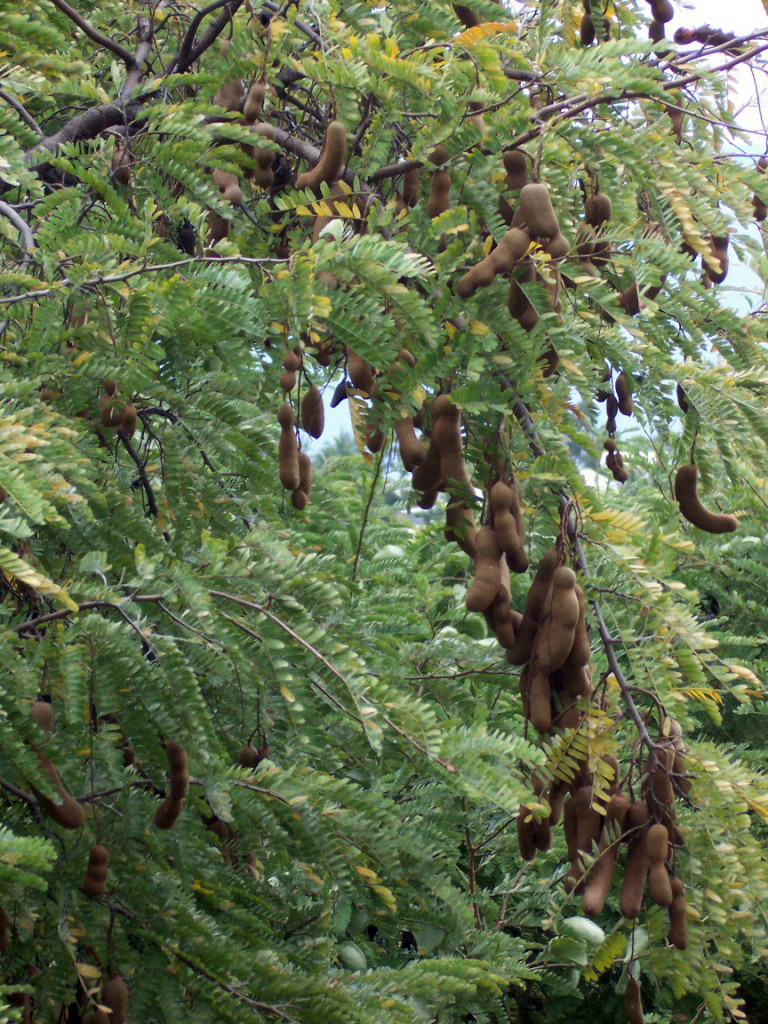 TamarindTamarindus indica
-
 ChickpeaCicer arietinum
-
 SoybeanGlycine max
-
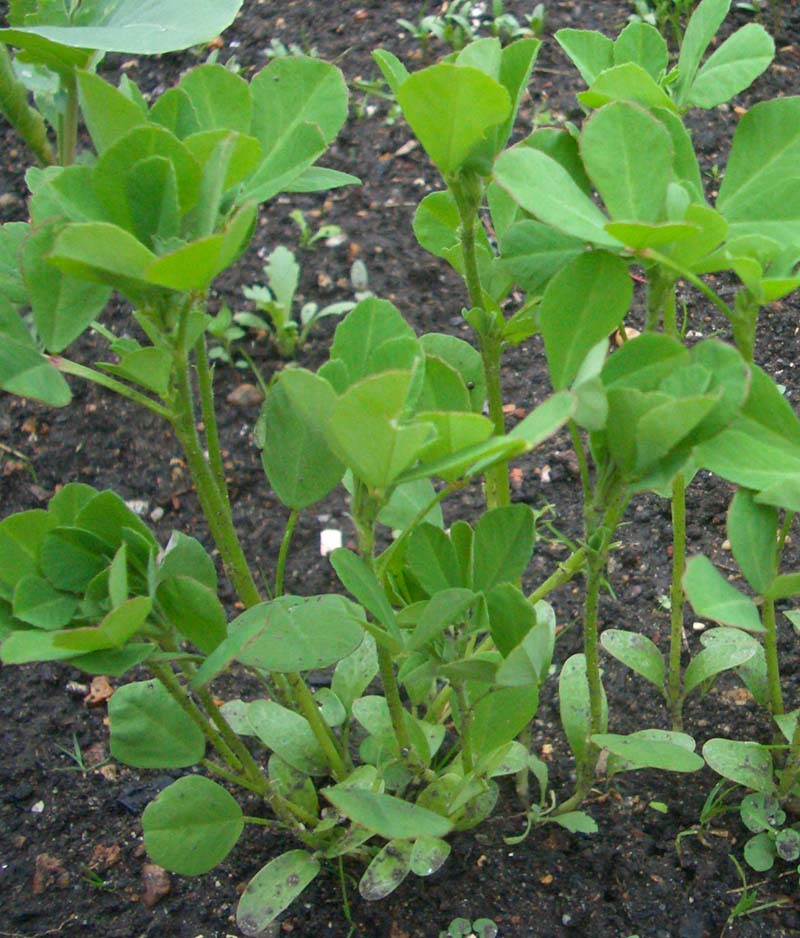 FenugreekTrigonella foenum-graecum
-
 RooibosAspalathus linearis
Compare
Questions and answers
What is the scientific name of the Red Angelim?
The scientific name of the Red Angelim is Dinizia excelsa. Written with its author, the full name is Dinizia excelsa Ducke.
Which family does the Red Angelim belong to?
Dinizia excelsa belongs to the family Fabaceae, in the order Fabales and the class Magnoliopsida.
Where is the Red Angelim found?
Checklists and occurrence records place Dinizia excelsa in 4 countries: Brazil, Guyana, Suriname and French Guiana.
What is the conservation status of the Red Angelim?
The IUCN Red List category recorded for Dinizia excelsa is Least Concern (LC).
Sources
Passages the profile rests on
- Dinizia excelsa is a tropical rainforest tree with an unarmed, cylindrical trunk. Source passage: “The unarmed trunk is cylindrical” — English Wikipedia
- The heartwood is reddish brown and the sapwood is slightly paler. Source passage: “The heartwood is reddish brown with a slightly paler sapwood.” — English Wikipedia
- The species develops large, flat, woody legume pods containing several seeds. Source passage: “Its fruits consist of large, flat and woody legume pods, which contains several seeds.” — English Wikipedia
- The trunk can reach 3 metres in diameter at soil level. Source passage: “up to 3 m (9.8 ft) in diameter at soil level.” — English Wikipedia
- The species can develop buttresses reaching 4–5 metres in height. Source passage: “the buttresses to 4–5 m (13–16 ft) tall.” — English Wikipedia
- The bole of larger specimens measures approximately 15–22.5 metres in length. Source passage: “the bole of larger specimens 15–22.5 m (49–74 ft)” — English Wikipedia
- Mature specimens typically have a diameter at breast height of 80–200 centimetres. Source passage: “The DBH of mature specimens is typically between 80 and 200 cm (31 and 79 in)” — English Wikipedia
- The species grows in non-inundated moist forests and upland mixed forests. Source passage: “The species grows in non-inundated moist and upland mixed forests” — English Wikipedia
- Dinizia excelsa occurs in tropical forests on terra firme. Source passage: “tropical forest on "terra firme"” — English Wikipedia
- The species also occurs in tropical upland evergreen forests and tropical dry forests. Source passage: “tropical upland evergreen forest, and tropical dry forest.” — English Wikipedia
- The species has been recorded at elevations between 50 and 490 metres. Source passage: “It has been recorded at elevations from 50 to 490 m (160 to 1,610 ft).” — English Wikipedia
- Dinizia excelsa primarily grows in the wet tropical biome. Source passage: “grows primarily in the wet tropical biome.” — powo.science.kew.org
- The seeds of Dinizia excelsa are eaten by macaws and other parrot species. Source passage: “The seeds are also eaten a lot by macaws and other parrot species.” — English Wikipedia
- The species' fruit pods are dispersed by wind. Source passage: “The pods/fruits are dispersed by wind.” — English Wikipedia
- Rodents and other mammals secondarily disperse the seeds. Source passage: “The seeds are secondarily dispersed by rodents or other mammals.” — English Wikipedia
- In 2024, 560,000 hectares of the area containing the record-breaking tree and other giant trees were upgraded to full protection under the State Park category. Source passage: “In 2024, 560,000-hectares (1.38-million-acres) of the area where the record-breaking giant and other giant trees have been found, has been upgraded to the "full protection" or State Park category.” — English Wikipedia
- The newly protected area is called the Giant Trees of the Amazon State Park. Source passage: “The newly created conservation area has been called the Giant Trees of the Amazon State Park.” — English Wikipedia
- Logging can no longer be proposed within the newly established fully protected conservation area. Source passage: “activities like logging, permitted under the "sustainable use" category when it was previously part of Paru State Park, can no longer be proposed in its bounds.” — English Wikipedia
- Scientific research and ecotourism are permitted in the Giant Trees of the Amazon State Park. Source passage: “Scientific research and ecotourism will be allowed in the Giant Trees of the Amazon State Park” — English Wikipedia
- The wood can produce a strong, unpleasant odour that may persist for years, particularly after rain. Source passage: “The wood gives off a very strong and foul odor, which can persist for years, especially after rain.” — English Wikipedia
- The unpleasant odour of the wood is attributed to the presence of butyric acid. Source passage: “This is due to the presence of butyric acid in the wood” — English Wikipedia
Data
- Catalogue of Life, 2026-10-16 XR cc by
- Global Biodiversity Information Facility CC BY 4.0
- Wikidata CC0
- GeoNames CC BY 4.0
- Wikimedia Commons per image; credit shown with each image
- Within the Catalogue of Life, this name comes from The World Checklist of Vascular Plants (WCVP): Fabaceae cc by
References
- Arch. Jard. Bot. Rio de Janeiro 3: 76 (1922) where the name was published
This species in other databases
- Catalogue of Life 368QS
- Wikidata Q15623208
- iNaturalist 575025
- World Flora Online wfo-0000170430
- GRIN 436120
Page built on 29 November 2026. See how the catalog is made and all sources and licences.
Cite this page
ScientificNames.org. (2026). Dinizia excelsa (Red Angelim). Retrieved November 29, 2026, from https://scientificnames.org/species/dinizia-excelsa
“Dinizia excelsa (Red Angelim).” ScientificNames.org, 2026, scientificnames.org/species/dinizia-excelsa. Accessed 29 Nov. 2026.
ScientificNames.org. “Dinizia excelsa (Red Angelim).” Accessed November 29, 2026. https://scientificnames.org/species/dinizia-excelsa.
@misc{scientificnames_dinizia_excelsa_red_angelim,
  author = {{ScientificNames.org}},
  title = {Dinizia excelsa (Red Angelim)},
  year = {2026},
  url = {https://scientificnames.org/species/dinizia-excelsa},
  note = {Accessed 2026-11-29}
}