Species · Flowering plants
Cupped Monolopia Monolopia major
The scientific name of the Cupped Monolopia is Monolopia major. It is a species of flowering plant in the family Asteraceae (composite), order Asterales.
- Scientific name
- Monolopia major DC.
- Common name
- Cupped Monolopia
- Genus
- Monolopia
- Family
- Asteraceae (Composite)
- Order
- Asterales
- Class
- Magnoliopsida
- Recorded in
- 1 country
- Name status
- accepted in the Catalogue of Life
Overview
Monolopia major is a species of flowering plant in the family Asteraceae known by the common name cupped monolopia.
Classification of the Cupped Monolopia
| Kingdom | Plantae |
|---|---|
| Subkingdom | Pteridobiotina |
| Phylum | Tracheophyta |
| Class | Magnoliopsida |
| Order | Asterales |
| Family | Asteraceae (Composite) |
| Subfamily | Asteroideae |
| Tribe | Madieae |
| Subtribe | Baeriinae |
| Genus | Monolopia (Woollythread) |
| Species | Monolopia major DC. |
Where the Cupped Monolopia is found
Checklists and occurrence records place Monolopia major in 1 country across North America. GBIF holds 475 georeferenced records of it.
Countries
Regions and cities with the most records
- California, United States 198
- Brentwood, United States 42
- Antioch, United States 40
- Pittsburg, United States 36
- Concord, United States 34
- Walnut Creek, United States 34
- Tracy, United States 24
- Livermore, United States 22
- Novato, United States 16
- San Rafael, United States 15
- Petaluma, United States 13
- San Ramon, United States 8
- Pleasanton, United States 7
- Richmond, United States 6
- Vallejo, United States 6
- Dublin, United States 5
- Fremont, United States 5
- Newark, United States 5
- San Jose, United States 5
- Castro Valley, United States 4
- Hayward, United States 4
- Manteca, United States 4
- Milpitas, United States 4
- Union City, United States 4
- San Leandro, United States 3
Range as the checklists state it
USA (California)
A number beside a place is its count of GBIF occurrence records. A place without a number comes from a checklist alone. Records show where a species has been observed or collected, which can include escapes and vagrants.
Common names
English
- Cupped Monolopia
Synonyms
4 other scientific names have been used for this species and are now treated as synonyms of Monolopia major.
- Helenium douglasii Bosse
- Helenium douglasii hort. ex W.H.Baxter
- Monolopia major var. gracilens J.F.Macbr.
- Monolopia major var. major
Related species
- Common MonolopiaMonolopia lanceolata
- Crum's DaisyMonolopia stricta
- San Joaquin WoollythreadMonolopia congdonii
- Woodland WoollythreadsMonolopia gracilens
-
 Jerusalem ArtichokeHelianthus tuberosus
-
 ChicoryCichorium intybus
-
 WormwoodArtemisia absinthium
-
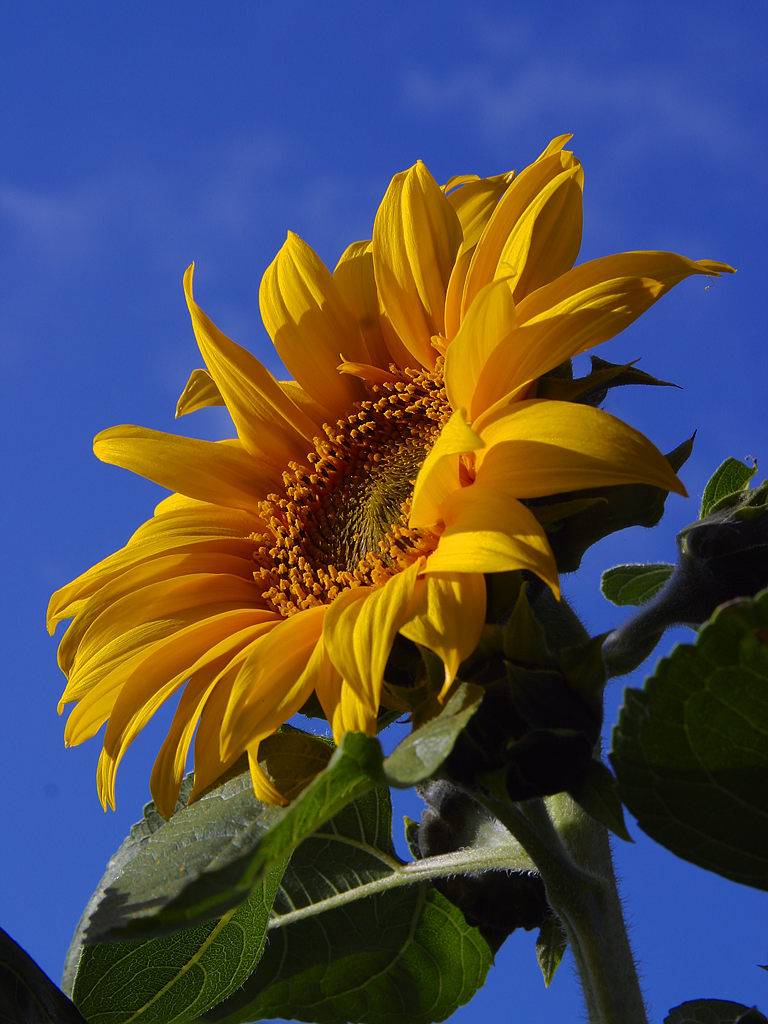 Common SunflowerHelianthus annuus
Compare
Questions and answers
What is the scientific name of the Cupped Monolopia?
The scientific name of the Cupped Monolopia is Monolopia major. Written with its author, the full name is Monolopia major DC..
Which family does the Cupped Monolopia belong to?
Monolopia major belongs to the family Asteraceae, in the order Asterales and the class Magnoliopsida.
Where is the Cupped Monolopia found?
Checklists and occurrence records place Monolopia major in 1 country: United States.
Sources
Data
- Catalogue of Life, 2026-10-16 XR cc by
- Global Biodiversity Information Facility CC BY 4.0
- Wikidata CC0
- English Wikipedia CC BY-SA 4.0
- GeoNames CC BY 4.0
- Within the Catalogue of Life, this name comes from Synonymic Checklists of the Vascular Plants of the World cc by
References
- DC. (1838). Prodr. [A.P. de Candolle] 6: 74 (1838). where the name was published
This species in other databases
Page built on 25 November 2026. See how the catalog is made and all sources and licences.
Cite this page
ScientificNames.org. (2026). Monolopia major (Cupped Monolopia). Retrieved November 25, 2026, from https://scientificnames.org/species/monolopia-major
“Monolopia major (Cupped Monolopia).” ScientificNames.org, 2026, scientificnames.org/species/monolopia-major. Accessed 25 Nov. 2026.
ScientificNames.org. “Monolopia major (Cupped Monolopia).” Accessed November 25, 2026. https://scientificnames.org/species/monolopia-major.
@misc{scientificnames_monolopia_major_cupped_monolopia,
  author = {{ScientificNames.org}},
  title = {Monolopia major (Cupped Monolopia)},
  year = {2026},
  url = {https://scientificnames.org/species/monolopia-major},
  note = {Accessed 2026-11-25}
}