Species · Flowering plants
Rock Cushionbush Oldenburgia paradoxa
The scientific name of the Rock Cushionbush is Oldenburgia paradoxa. It is a species of flowering plant in the family Asteraceae (composite), order Asterales.
- Scientific name
- Oldenburgia paradoxa Less.
- Common name
- Rock Cushionbush
- Genus
- Oldenburgia
- Family
- Asteraceae (Composite)
- Order
- Asterales
- Class
- Magnoliopsida
- Recorded in
- 1 country
- Name status
- accepted in the Catalogue of Life

Overview
Oldenburgia paradoxa grows in sandstone habitats, including cliffs and rock crevices near mountain tops in the southern Western Cape Province in South Africa. It is distinguished by its dense, usually hemispherical cushion-shaped growth form and leathery leaves with white felt underneath.
Written 27 November 2026 from the sources listed below. Each statement was checked against the passage it cites; statements that could not be supported were removed.
Appearance
Rock Cushionbush is a remarkably dense subshrub that typically grows in a hemispherical, cushion-shaped form. It commonly reaches approximately 30 cm in height, although some individuals exceed one metre.[1][2][3]
Its elliptical leaves are alternate, leathery and deep green on their upper surfaces, with white felt underneath. They resemble loquat leaves and have slightly downward-rolled margins.[4][5]
Young leaves are entirely covered in vivid white felt, which they lose from their upper surfaces as they mature. The leaves are approximately 10 cm long and densely crowded around the branch tips at the plant's outer periphery.[6][7][8]
The branches have thick, corky bark that is generally concealed on undamaged plants. The flower heads are approximately 5 cm in diameter, creamy in colour and sometimes tinged with pink or purple.[9][10][11]
The species has an unusual cushion-shaped growth form and is described as resembling an alpine plant.[3][12]
Reproduction and life cycle
The flower heads are solitary and terminal. They are borne on stalks or are nearly stalkless.[13][14]
Habitat
Rock Cushionbush grows in sandstone habitats on cliffs and in rock crevices. It occurs near mountain tops where competition from other plants is limited.[15][16][17]
The species grows on rocks in the Cape mountains and is endemic to the mountains of the southern Western Cape Province in South Africa.[18][19]
Conservation
The conservation status of Rock Cushionbush is unclear. The species has historically been uncommon and persists largely in mountain reserves.[20][21][22]
Classification of the Rock Cushionbush
| Kingdom | Plantae |
|---|---|
| Subkingdom | Pteridobiotina |
| Phylum | Tracheophyta |
| Class | Magnoliopsida |
| Order | Asterales |
| Family | Asteraceae (Composite) |
| Subfamily | Tarchonanthoideae |
| Tribe | Oldenburgieae |
| Genus | Oldenburgia |
| Species | Oldenburgia paradoxa Less. |
Where the Rock Cushionbush is found
Checklists and occurrence records place Oldenburgia paradoxa in 1 country across Africa. GBIF holds 405 georeferenced records of it.
Countries
Regions and cities with the most records
- Western Cape, South Africa 380
- George, South Africa 130
- Swellendam, South Africa 23
- Groot-Brakrivier, South Africa 17
- Ashton, South Africa 15
- Montagu, South Africa 15
- Riversdale, South Africa 14
- Robertson, South Africa 12
- Stellenbosch, South Africa 5
- Eastern Cape, South Africa 3
- Franschhoek, South Africa 3
- Kraaifontein, South Africa 3
- Kuils River, South Africa 3
- Le Roux, South Africa 3
- Paarl, South Africa 3
Range as the checklists state it
South Africa (W-Cape Prov.)
A number beside a place is its count of GBIF occurrence records. A place without a number comes from a checklist alone. Records show where a species has been observed or collected, which can include escapes and vagrants.
Common names
English
- Rock Cushionbush
Names in 2 other languages
- Afrikaans
- Klipkreupelbos
- Slovak
- oldenburgia podivná
Related species
-
 Suurberg Cushion BushOldenburgia grandis
-
 Butterfly CushionbushOldenburgia papionum
- Stalked CushionbushOldenburgia intermedia
-
 Jerusalem ArtichokeHelianthus tuberosus
-
 ChicoryCichorium intybus
-
 Absinthe WormwoodArtemisia absinthium
-
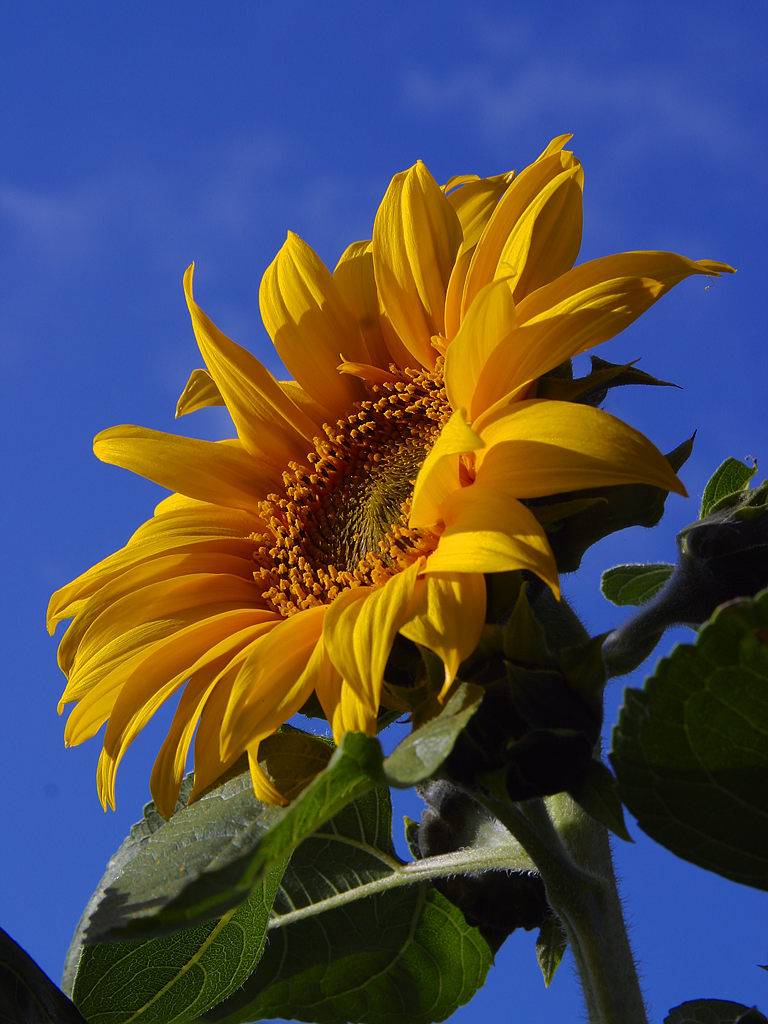 Common SunflowerHelianthus annuus
-
 Common YarrowAchillea millefolium
Compare
Questions and answers
What is the scientific name of the Rock Cushionbush?
The scientific name of the Rock Cushionbush is Oldenburgia paradoxa. Written with its author, the full name is Oldenburgia paradoxa Less..
Which family does the Rock Cushionbush belong to?
Oldenburgia paradoxa belongs to the family Asteraceae, in the order Asterales and the class Magnoliopsida.
Where is the Rock Cushionbush found?
Checklists and occurrence records place Oldenburgia paradoxa in 1 country: South Africa.
How big does a cushion bush grow?
Rock Cushionbush commonly reaches approximately 30 cm in height, although some individuals exceed one metre.[2]
Sources
Passages the profile rests on
- Oldenburgia paradoxa is a remarkably dense, usually cushion-shaped subshrub that typically grows in a hemispherical form. Source passage: “In its habit Oldenburgia paradoxa is a remarkably dense, usually cushion-shaped, subshrub, typically growing in the form of a hemisphere.” — English Wikipedia
- The plant commonly reaches approximately 30 cm in height, although some individuals exceed one metre. Source passage: “Plants will sometimes exceed a metre in height, but usually are much shorter, commonly 30 cm or so.” — English Wikipedia
- The species has an unusual cushion-shaped growth form. Source passage: “Oldenburgia paradoxa is an unusual cushion-shaped species” — pza.sanbi.org
- Its elliptical leaves are alternate, leathery, deep green on their upper surfaces, and covered with white felt underneath. Source passage: “The leaves are elliptical, alternate, and in appearance are typical of the genus, leathery, deep green above, and felted white below.” — English Wikipedia
- The leaves resemble loquat leaves, with slightly downward-rolled margins. Source passage: “They are suggestive of loquat leaves with the margins slightly rolled down.” — English Wikipedia
- Young leaves are entirely covered in vivid white felt, which they lose from their upper surfaces as they mature. Source passage: “Young leaves are vividly white-felted all over; as they mature, they shed the felt on the upper surface, but retain the felt on their under-surfaces.” — English Wikipedia
- The leaves are approximately 10 cm long. Source passage: “and they are much smaller, being some 10 cm long.” — English Wikipedia
- Its leaves are densely crowded around the branch tips at the plant's outer periphery. Source passage: “the leaves of Oldenburgia paradoxa are crowded impenetrably closely at the branch tips around the periphery of the plant” — English Wikipedia
- The branches have thick, corky bark that is generally concealed on undamaged plants. Source passage: “The branches have thick, corky bark that generally is not visible on an undamaged plant.” — English Wikipedia
- The flower heads are approximately 5 cm in diameter. Source passage: “The flower heads are about 5 cm in diameter” — English Wikipedia
- The flower heads are creamy in colour and sometimes have pink or purple tinges. Source passage: “creamy, sometimes with a tinge of pink or purple.” — English Wikipedia
- The species is described as resembling an alpine plant. Source passage: “looks like an alpine plant.” — pza.sanbi.org
- The flower heads are solitary and terminal. Source passage: “The flowerheads are solitary and terminal.” — English Wikipedia
- The flower heads are borne on stalks or are nearly stalkless. Source passage: “The flower heads are pedunculate to nearly sessile” — English Wikipedia
- The species grows in sandstone habitats. Source passage: “It grows in sandstone on cliffs, in rock crevices, and near mountain tops where it has little competition from other plants.” — English Wikipedia
- The species inhabits cliffs and rock crevices. Source passage: “It grows in sandstone on cliffs, in rock crevices, and near mountain tops where it has little competition from other plants.” — English Wikipedia
- The species occurs near mountain tops where competition from other plants is limited. Source passage: “and near mountain tops where it has little competition from other plants.” — English Wikipedia
- Oldenburgia paradoxa is endemic to the mountains of the southern Western Cape Province in South Africa. Source passage: “The species is endemic to the mountains of the southern part of the Western Cape Province in South Africa.” — English Wikipedia
- Oldenburgia paradoxa grows on rocks in the Cape mountains. Source passage: “grows on rocks in the Cape mountains” — pza.sanbi.org
- The conservation status of Oldenburgia paradoxa is unclear. Source passage: “Its status is not clear;” — English Wikipedia
- The species has historically been uncommon. Source passage: “it always was uncommon” — English Wikipedia
- The species persists largely in mountain reserves. Source passage: “and persists largely in mountain reserves.” — English Wikipedia
Data
- Catalogue of Life, 2026-10-16 XR cc by
- Global Biodiversity Information Facility CC BY 4.0
- Wikidata CC0
- GeoNames CC BY 4.0
- Wikimedia Commons per image; credit shown with each image
- Within the Catalogue of Life, this name comes from Synonymic Checklists of the Vascular Plants of the World cc by
References
- Less. (1830). Linnaea 5: 252 (1830). where the name was published
This species in other databases
Page built on 28 November 2026. See how the catalog is made and all sources and licences.
Cite this page
ScientificNames.org. (2026). Oldenburgia paradoxa (Rock Cushionbush). Retrieved November 28, 2026, from https://scientificnames.org/species/oldenburgia-paradoxa
“Oldenburgia paradoxa (Rock Cushionbush).” ScientificNames.org, 2026, scientificnames.org/species/oldenburgia-paradoxa. Accessed 28 Nov. 2026.
ScientificNames.org. “Oldenburgia paradoxa (Rock Cushionbush).” Accessed November 28, 2026. https://scientificnames.org/species/oldenburgia-paradoxa.
@misc{scientificnames_oldenburgia_paradoxa_rock_cushionbush,
  author = {{ScientificNames.org}},
  title = {Oldenburgia paradoxa (Rock Cushionbush)},
  year = {2026},
  url = {https://scientificnames.org/species/oldenburgia-paradoxa},
  note = {Accessed 2026-11-28}
}