Species · Flowering plants
Puhuaea sequax
Puhuaea sequax has no English name on record in the checklists used here. It is a species of flowering plant in the family Fabaceae (bean), order Fabales.
- Scientific name
- Puhuaea sequax (Wall.) H.Ohashi & K.Ohashi
- Genus
- Puhuaea
- Family
- Fabaceae (Bean)
- Order
- Fabales
- Class
- Magnoliopsida
- Recorded in
- 11 countries
- Name status
- accepted in the Catalogue of Life
Overview
Wikidata describes Puhuaea sequax as “species of plant”.
Classification of Puhuaea sequax
| Kingdom | Plantae |
|---|---|
| Subkingdom | Pteridobiotina |
| Phylum | Tracheophyta |
| Class | Magnoliopsida |
| Order | Fabales |
| Family | Fabaceae (Bean) |
| Genus | Puhuaea |
| Species | Puhuaea sequax (Wall.) H.Ohashi & K.Ohashi |
Where Puhuaea sequax is found
Checklists and occurrence records place Puhuaea sequax in 11 countries across Asia. GBIF holds 2,836 georeferenced records of it.
Countries
- Bangladesh
- China 1,176
- India 72
- Indonesia 241
- Japan 3
- Myanmar 13
- Nepal 44
- Philippines 78
- Taiwan 1,195
- Thailand 3
- Vietnam 11
Regions and cities with the most records
- Taiwan, Taiwan 672
- Yunnan, China 274
- Sichuan, China 267
- Chongqing, China 107
- Guangxi, China 83
- Zhushan, Taiwan 78
- Guizhou, China 74
- Lugu, Taiwan 74
- Conglin, China 70
- Daguan, China 70
- Nanchuan, China 70
- Nanping, China 70
- Xinglong, China 70
- Hubei, China 49
- Shulin, Taiwan 36
- Sanxia, Taiwan 34
- Banqiao, Taiwan 33
- Linnei, Taiwan 30
- Zhudong, Taiwan 30
- Xizhi, Taiwan 26
- Puli, Taiwan 24
- Yingge, Taiwan 24
- Guangdong, China 23
- Neihu, Taiwan 23
- Taitung, Taiwan 23
- Tibet, China 23
- Xiulin, Taiwan 23
- Taipei, Taiwan 22
- Chiayi City, Taiwan 21
- Douliu, Taiwan 21
- Yilan, Taiwan 21
- Daxi, Taiwan 19
- New Taipei City, Taiwan 17
- Bade, Taiwan 16
- Papua, Indonesia 16
- Hualien City, Taiwan 14
3 more countries have a few records outside this range
These countries hold a few records of Puhuaea sequax but lie outside the range the checklists give for it. Such records are often zoo or garden specimens, museum material or vagrants, so the species is not counted as occurring there.
A number beside a place is its count of GBIF occurrence records. A place without a number comes from a checklist alone. Records show where a species has been observed or collected, which can include escapes and vagrants.
Common names
Names in 2 other languages
- Chinese
- 波葉山螞蝗, 瓦子草, 長波葉山螞蝗
- Japanese
- オオバマイハギ
Synonyms
14 other scientific names have been used for this species and are now treated as synonyms of Puhuaea sequax.
- Desmodium ancistrotrichum K.Schum. & Lauterb.
- Desmodium dasylobum Miq.
- Desmodium hamulatum Franch.
- Desmodium sequax Wall.
- Desmodium sequax var. sinuatum (Miq.) Hosok.
- Desmodium sinuatum (Miq.) Blume ex Baker
- Desmodium strangulatum var. sinuatum Miq.
- Dolichos sinuatus Miq.
- Dollinera sequax (Wall.) Schindl.
- Meibomia dasyloba (Miq.) Kuntze
- Meibomia sequax (Wall.) Kuntze
- Meibomia sinuata (Miq.) Kuntze
- Ototropis sequax (Wall.) H.Ohashi & K.Ohashi
- Zanthoxylon connaroides Wight & Arn.
Related species
- Puhuaea megaphylla
-
 PeanutArachis hypogaea
-
 LiquoriceGlycyrrhiza glabra
-
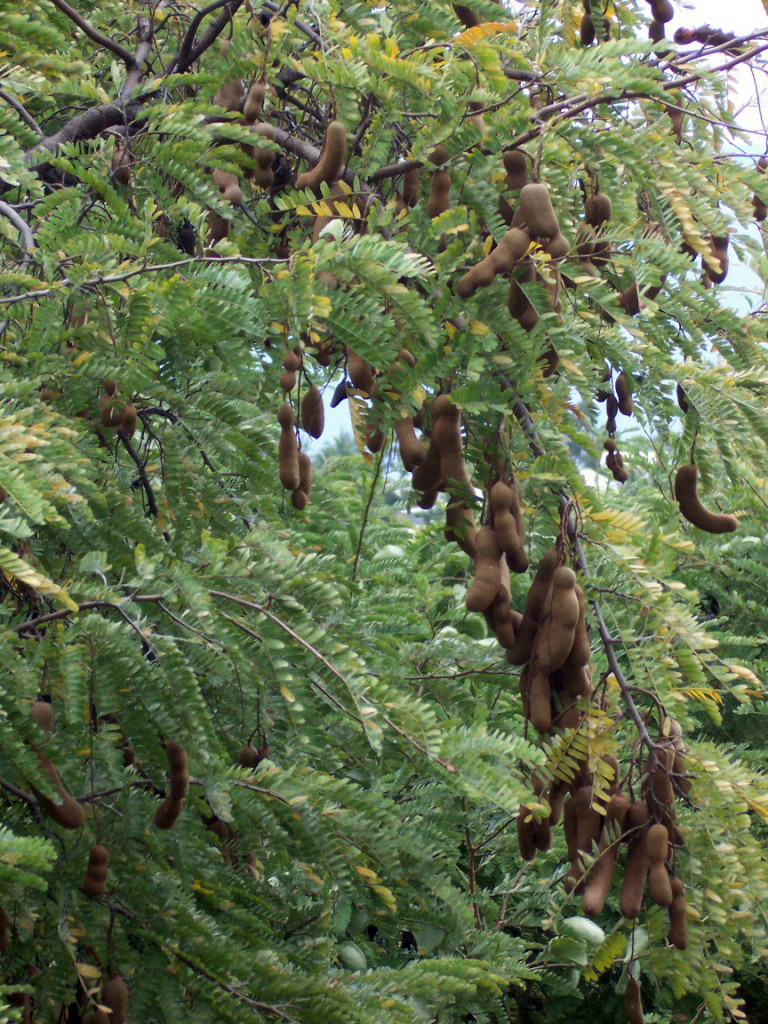 TamarindTamarindus indica
-
 ChickpeaCicer arietinum
-
 SoybeanGlycine max
-
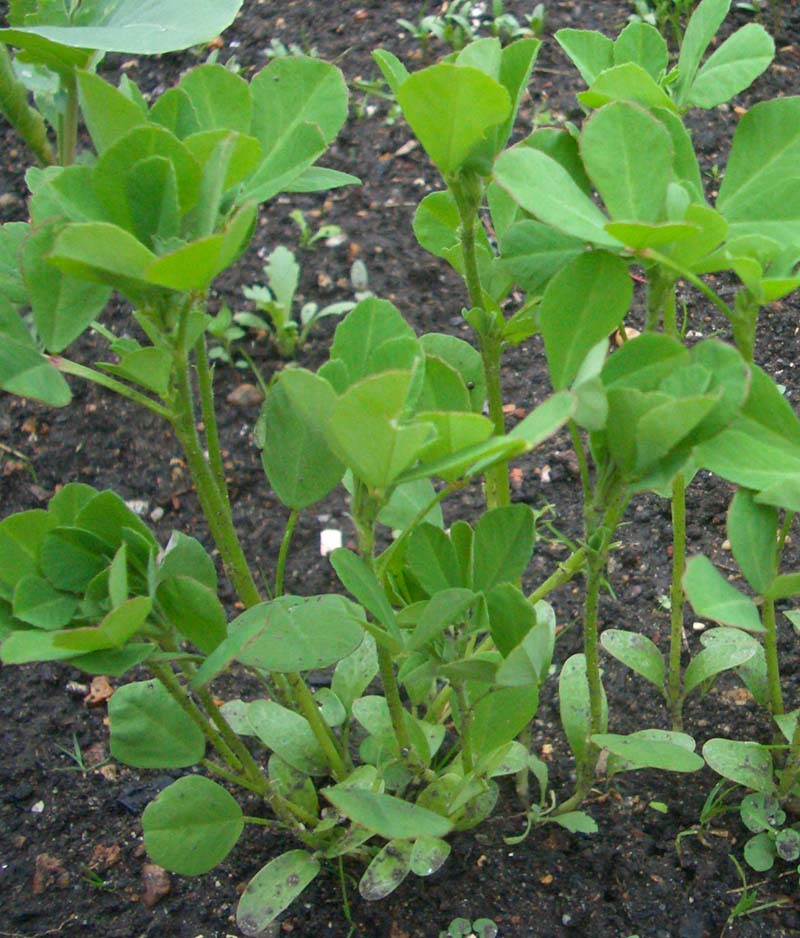 FenugreekTrigonella foenum-graecum
-
 RooibosAspalathus linearis
Compare
Sources
Data
- Catalogue of Life, 2026-10-16 XR cc by
- Global Biodiversity Information Facility CC BY 4.0
- Wikidata CC0
- GeoNames CC BY 4.0
- Within the Catalogue of Life, this name comes from The World Checklist of Vascular Plants (WCVP): Fabaceae cc by
References
- J. Jap. Bot. 94: 283 (2019) where the name was published
This species in other databases
Page built on 28 November 2026. See how the catalog is made and all sources and licences.
Cite this page
ScientificNames.org. (2026). Puhuaea sequax. Retrieved November 28, 2026, from https://scientificnames.org/species/puhuaea-sequax
“Puhuaea sequax.” ScientificNames.org, 2026, scientificnames.org/species/puhuaea-sequax. Accessed 28 Nov. 2026.
ScientificNames.org. “Puhuaea sequax.” Accessed November 28, 2026. https://scientificnames.org/species/puhuaea-sequax.
@misc{scientificnames_puhuaea_sequax,
  author = {{ScientificNames.org}},
  title = {Puhuaea sequax},
  year = {2026},
  url = {https://scientificnames.org/species/puhuaea-sequax},
  note = {Accessed 2026-11-28}
}