Species · Flowering plants
Bridal Broom Retama monosperma
The scientific name of the Bridal Broom is Retama monosperma. It is a species of flowering plant in the family Fabaceae (bean), order Fabales.
- Scientific name
- Retama monosperma (L.) Boiss.
- Common name
- Bridal Broom
- Genus
- Retama
- Family
- Fabaceae (Bean)
- Order
- Fabales
- Class
- Magnoliopsida
- Recorded in
- 17 countries
- Name status
- accepted in the Catalogue of Life

Overview
Bridal broom (Retama monosperma) is a flowering bush species in the genus Retama. It is native to parts of the Mediterranean Basin, including Algeria, Morocco, Portugal, Spain, Egypt, the East Aegean Islands, and Greece. It produces white flowers and contains several alkaloids, including the toxic alkaloid cytisine in its seeds.
Written 26 November 2026 from the sources listed below. Each statement was checked against the passage it cites; statements that could not be supported were removed.
Appearance
Bridal broom is a flowering bush species in the genus Retama. It produces white flowers.[1][2]
Habitat
Bridal broom is native to parts of the Mediterranean Basin. Its native western Mediterranean distribution includes Algeria, Morocco, Portugal, and Spain, while its native eastern Mediterranean distribution includes Egypt, the East Aegean Islands, and Greece.[3][4][5]
It has been introduced outside its native Mediterranean range.[6]
Diet
The larvae of the moths Phyllonorycter hesperiella and Phyllonorycter spartocytisi feed on bridal broom.[7][8]
Reproduction and life cycle
The seeds of bridal broom contain the toxic alkaloid cytisine.[9]
Behaviour
Bridal broom forms root nodules in association with the bacterium Ensifer fredii.[10]
Conservation
Bridal broom has become invasive in parts of Southern California.[11]
Uses
Fifteen additional quinolizidine alkaloids and three dipiperidine alkaloids have been isolated from different parts of bridal broom. The species contains (+)-sparteine and α- and β-isosparteine.[12][13][14][15]
Classification of the Bridal Broom
| Kingdom | Plantae |
|---|---|
| Subkingdom | Pteridobiotina |
| Phylum | Tracheophyta |
| Class | Magnoliopsida |
| Order | Fabales |
| Family | Fabaceae (Bean) |
| Genus | Retama (Bridal Broom) |
| Species | Retama monosperma (L.) Boiss. |
Where the Bridal Broom is found
Checklists and occurrence records place Retama monosperma in 17 countries across Africa, Europe and South America. GBIF holds 4,008 georeferenced records of it.
Countries where it is native or its origin is not stated
- Algeria 34
- Egypt 21
- France 73
- Gibraltar 5
- Greece 5
- Italy 16
- Libya 5
- Morocco 195
- Portugal 961
- South Africa 4
- Spain 2,673
- Tunisia 6
- United Kingdom 3
Countries where it has been introduced
Regions and cities with the most records
- Valencia, Spain 498
- Faro, Portugal 481
- Ayamonte, Spain 408
- Isla Cristina, Spain 380
- Aljaraque, Spain 339
- Huelva, Spain 337
- Lepe, Spain 324
- Moguer, Spain 314
- Tavira, Portugal 298
- Rota, Spain 290
- El Puerto de Santa María, Spain 287
- Cartaya, Spain 280
- Tavernes de la Valldigna, Spain 280
- Cadiz, Spain 272
- Carcaixent, Spain 270
- Xàtiva, Spain 238
- Alzira, Spain 221
- Catalonia, Spain 214
- Puerto Real, Spain 209
- Gandia, Spain 194
- Albufeira, Portugal 180
- San Fernando, Spain 180
- Canary Islands, Spain 178
- Laranjeiro, Portugal 175
- Cullera, Spain 174
- Portimão, Portugal 170
- Sanlúcar de Barrameda, Spain 168
- Sueca, Spain 164
- Chipiona, Spain 163
- Quelfes, Portugal 157
- Azeitão, Portugal 151
- Barbate, Spain 151
- Quinta Do Conde, Portugal 149
- Setúbal, Portugal 149
- Barcelona, Spain 148
- Cerdanyola del Vallès, Spain 145
3 more countries have a few records outside this range
These countries hold a few records of Retama monosperma but lie outside the range the checklists give for it. Such records are often zoo or garden specimens, museum material or vagrants, so the species is not counted as occurring there.
A number beside a place is its count of GBIF occurrence records. A place without a number comes from a checklist alone. Records show where a species has been observed or collected, which can include escapes and vagrants.
Common names
English
- Bridal Broom
- Bridal Veil Broom
Names in 11 other languages
- Catalan
- ginesta de flor blanca
- Chinese
- 单子细枝豆
- Czech
- retama jednosemenná
- Finnish
- tuoksuretama
- German
- Einsamige Retama
- Polish
- retama jednonasienna
- Portuguese
- Piorno-branco
- Russian
- Ретама односемянная
- Slovak
- kručina jednosemenná
- Spanish
- retama de flor blanca
- Swedish
- vitginst
Synonyms
12 other scientific names have been used for this species and are now treated as synonyms of Retama monosperma.
- Genista defoliata Lam.
- Lygos monosperma (L.) Heywood
- Retama monosperma subsp. monosperma
- Spartium clusii Spach
- Spartium dubium Spach
- Spartium gracile Salisb.
- Spartium rhodorhizoides Walp.
- Spartium semperflorens Spach
- Spartium webbii Spach
- Genista monosperma (L.) Lam. ambiguous synonym
- Spartium monospermum L. ambiguous synonym
- Spartium rostratum Spach ambiguous synonym
Related species
-
 White Weeping BroomRetama raetam
-
 Yellow Bridal BroomRetama sphaerocarpa
- Retama rhodorhizoides
-
 Retama dasycarpa
-
 PeanutArachis hypogaea
-
 LiquoriceGlycyrrhiza glabra
-
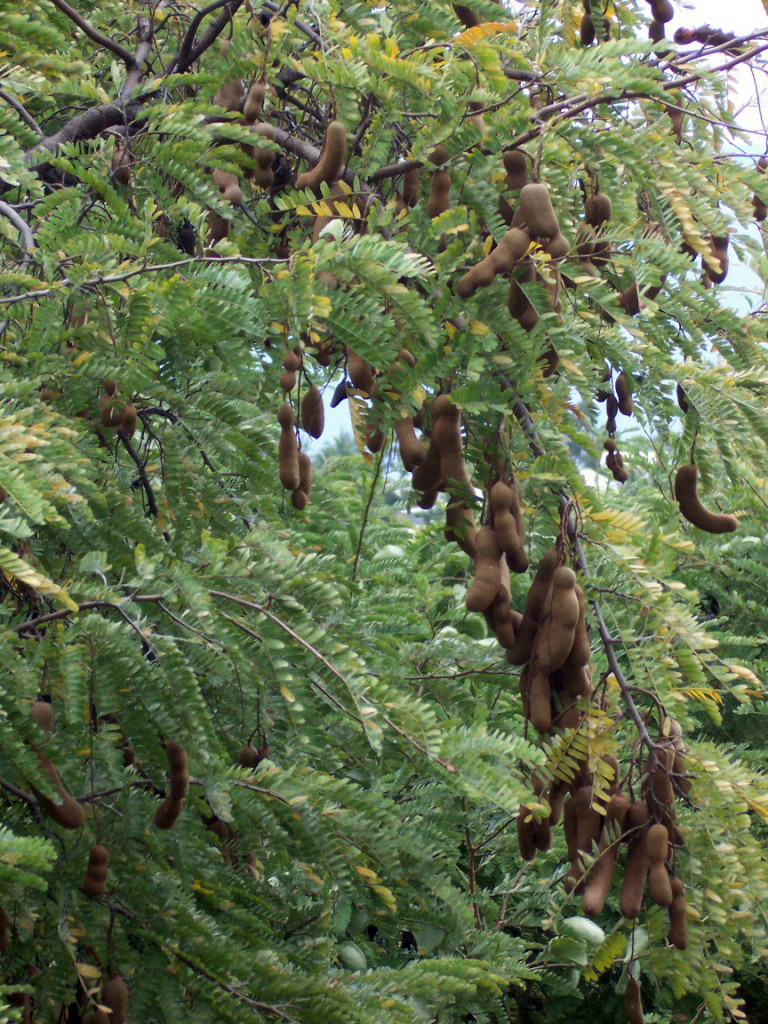 TamarindTamarindus indica
-
 ChickpeaCicer arietinum
Compare
Questions and answers
What is the scientific name of the Bridal Broom?
The scientific name of the Bridal Broom is Retama monosperma. Written with its author, the full name is Retama monosperma (L.) Boiss..
Which family does the Bridal Broom belong to?
Retama monosperma belongs to the family Fabaceae, in the order Fabales and the class Magnoliopsida.
Where is the Bridal Broom found?
Checklists and occurrence records place Retama monosperma in 17 countries, including Spain, Portugal, Morocco, France, Algeria and Egypt.
What other names does the Bridal Broom have?
Retama monosperma is also known in English as Bridal Veil Broom.
Is a broom plant invasive?
Bridal broom has become invasive in parts of Southern California.[11]
Sources
Passages the profile rests on
- Retama monosperma is a flowering bush species in the genus Retama. Source passage: “Retama monosperma, the bridal broom or bridal veil broom, is a flowering bush species in the genus Retama” — English Wikipedia
- Retama monosperma produces white flowers. Source passage: “Bridal veil broom (Retama monosperma) is a white-flowered broom” — ipm.ucanr.edu
- Retama monosperma is native to parts of the Mediterranean Basin. Source passage: “native to the parts of the Mediterranean Basin” — English Wikipedia
- The native western Mediterranean distribution of Retama monosperma includes Algeria, Morocco, Portugal, and Spain. Source passage: “Algeria, Morocco, Portugal and Spain in the west” — English Wikipedia
- The native eastern Mediterranean distribution of Retama monosperma includes Egypt, the East Aegean Islands, and Greece. Source passage: “Egypt, the East Aegean Islands and Greece in the east” — English Wikipedia
- Retama monosperma has been introduced outside its native Mediterranean range. Source passage: “It has been introduced elsewhere.” — English Wikipedia
- The larvae of the moth Phyllonorycter hesperiella feed on Retama monosperma. Source passage: “The larvae of the moths Phyllonorycter hesperiella and Phyllonorycter spartocytisi feed on R. monosperma.” — English Wikipedia
- The larvae of the moth Phyllonorycter spartocytisi feed on Retama monosperma. Source passage: “The larvae of the moths Phyllonorycter hesperiella and Phyllonorycter spartocytisi feed on R. monosperma.” — English Wikipedia
- The seeds of Retama monosperma contain the toxic alkaloid cytisine. Source passage: “The seeds contain cytisine, a toxic alkaloid.” — English Wikipedia
- Retama monosperma forms root nodules in association with the bacterium Ensifer fredii. Source passage: “Retama monosperma forms root nodules with Ensifer fredii.” — English Wikipedia
- Retama monosperma has become invasive in parts of Southern California. Source passage: “Bridal veil broom (Retama monosperma) is a white-flowered broom that has become invasive in parts of Southern California.” — ipm.ucanr.edu
- Fifteen additional quinolizidine alkaloids have been isolated from different parts of Retama monosperma. Source passage: “Fifteen other quinolizidine and three dipiperidine alkaloids can also be isolated from different parts of the plant.” — English Wikipedia
- Three dipiperidine alkaloids have been isolated from different parts of Retama monosperma. Source passage: “Fifteen other quinolizidine and three dipiperidine alkaloids can also be isolated from different parts of the plant.” — English Wikipedia
- Retama monosperma contains (+)-sparteine. Source passage: “the presence of (+)-sparteine” — English Wikipedia
- Retama monosperma contains α- and β-isosparteine. Source passage: “α- and β-isosparteine” — English Wikipedia
Data
- Catalogue of Life, 2026-10-16 XR cc by
- Global Biodiversity Information Facility CC BY 4.0
- Wikidata CC0
- GeoNames CC BY 4.0
- Wikimedia Commons per image; credit shown with each image
- Within the Catalogue of Life, this name comes from The World Checklist of Vascular Plants (WCVP): Fabaceae cc by
References
- Voy. Bot. Espagne 2: 144 (1840) where the name was published
This species in other databases
- Catalogue of Life 794CB
- Wikidata Q966251
- iNaturalist 341169
- World Flora Online wfo-0000213394
- GRIN 311145
Page built on 27 November 2026. See how the catalog is made and all sources and licences.
Cite this page
ScientificNames.org. (2026). Retama monosperma (Bridal Broom). Retrieved November 27, 2026, from https://scientificnames.org/species/retama-monosperma
“Retama monosperma (Bridal Broom).” ScientificNames.org, 2026, scientificnames.org/species/retama-monosperma. Accessed 27 Nov. 2026.
ScientificNames.org. “Retama monosperma (Bridal Broom).” Accessed November 27, 2026. https://scientificnames.org/species/retama-monosperma.
@misc{scientificnames_retama_monosperma_bridal_broom,
  author = {{ScientificNames.org}},
  title = {Retama monosperma (Bridal Broom)},
  year = {2026},
  url = {https://scientificnames.org/species/retama-monosperma},
  note = {Accessed 2026-11-27}
}