Species · Flowering plants
Nyala Tree Xanthocercis zambesiaca
The scientific name of the Nyala Tree is Xanthocercis zambesiaca. It is a species of flowering plant in the family Fabaceae (bean), order Fabales.
- Scientific name
- Xanthocercis zambesiaca (Baker) Dumaz-le-Grand
- Common name
- Nyala Tree
- Genus
- Xanthocercis
- Family
- Fabaceae (Bean)
- Order
- Fabales
- Class
- Magnoliopsida
- Red List category
- LC Least Concern
- Recorded in
- 6 countries
- Name status
- accepted in the Catalogue of Life

Overview
Nyala Tree is a legume belonging to the Fabaceae family. It is native to the southern subtropics of Africa. It functions as a phreatophyte, indicating the presence of groundwater.
Written 26 November 2026 from the sources listed below. Each statement was checked against the passage it cites; statements that could not be supported were removed.
Appearance
Nyala Tree is a legume belonging to the Fabaceae family.[1]
Habitat
Nyala Tree grows in seasonally hot, low-lying river valleys. It grows on alluvial deposits and termite mounds where moisture is plentiful and soils are deep and fertile.[2][3]
It occurs sparsely in the eastern lowveld of Southern Africa. It is particularly prolific in the Limpopo Valley and along the Shashe River in the Tuli Block.[4][5]
Its distribution includes Botswana, Malawi, Mozambique, South Africa, Zambia and Zimbabwe.[6]
Diet
The foliage and fruit of Nyala Tree provide food for various vertebrates. Monkeys, baboons and birds feed on its fruit while it remains on the tree.[7][8]
Elephants, giraffes, nyalas and other antelope are among the animals associated with feeding on the tree.[9]
Behaviour
Nyala Tree functions as a phreatophyte, indicating the presence of groundwater.[10]
Reproduction and life cycle
Nyala Tree is pollinated by insects.[11]
Uses
The wood of Nyala Tree can be worked to produce a smooth finish. Working the wood irritates the nose and throat.[12][13]
Classification of the Nyala Tree
| Kingdom | Plantae |
|---|---|
| Subkingdom | Pteridobiotina |
| Phylum | Tracheophyta |
| Class | Magnoliopsida |
| Order | Fabales |
| Family | Fabaceae (Bean) |
| Genus | Xanthocercis |
| Species | Xanthocercis zambesiaca (Baker) Dumaz-le-Grand |
Where the Nyala Tree is found
Checklists and occurrence records place Xanthocercis zambesiaca in 6 countries across Africa. GBIF holds 529 georeferenced records of it.
Countries
Regions and cities with the most records
- Limpopo, South Africa 203
- Mpumalanga, South Africa 38
- Gaza Province, Mozambique 21
- Louis Trichardt, South Africa 18
- Maputo Province, Mozambique 18
- Central, Botswana 15
- Musina, South Africa 9
- Masvingo Province, Zimbabwe 7
- Sofala, Mozambique 7
- Tete, Mozambique 7
- Lephalale, South Africa 6
- Manicaland, Zimbabwe 6
- Phalaborwa, South Africa 5
- Marapong, South Africa 4
- Xilembene, Mozambique 3
A number beside a place is its count of GBIF occurrence records. A place without a number comes from a checklist alone. Records show where a species has been observed or collected, which can include escapes and vagrants.
Common names
English
- Nyala Tree
- Mashatu Tree
- Nyala-tree
Names in 8 other languages
- Afrikaans
- Njalaboom, hoenderspoor, mashatu
- Finnish
- zambiannyalapuu
- German
- Nyalabaum
- Tswana
- moladi, motha, motlha
- mhw
- mopako
- ssw
- umhlwati
- tso
- charro, nchorro, nhlarhu, ntsangwana, tcharro, xaro
- ven
- mutshato
Synonyms
2 other scientific names have been used for this species and are now treated as synonyms of Xanthocercis zambesiaca.
- Pseudocadia zambesiaca (Baker) Harms
- Sophora zambesiaca Baker
Related species
- Xanthocercis madagascariensis
- Xanthocercis rabiensis
-
 PeanutArachis hypogaea
-
 LiquoriceGlycyrrhiza glabra
-
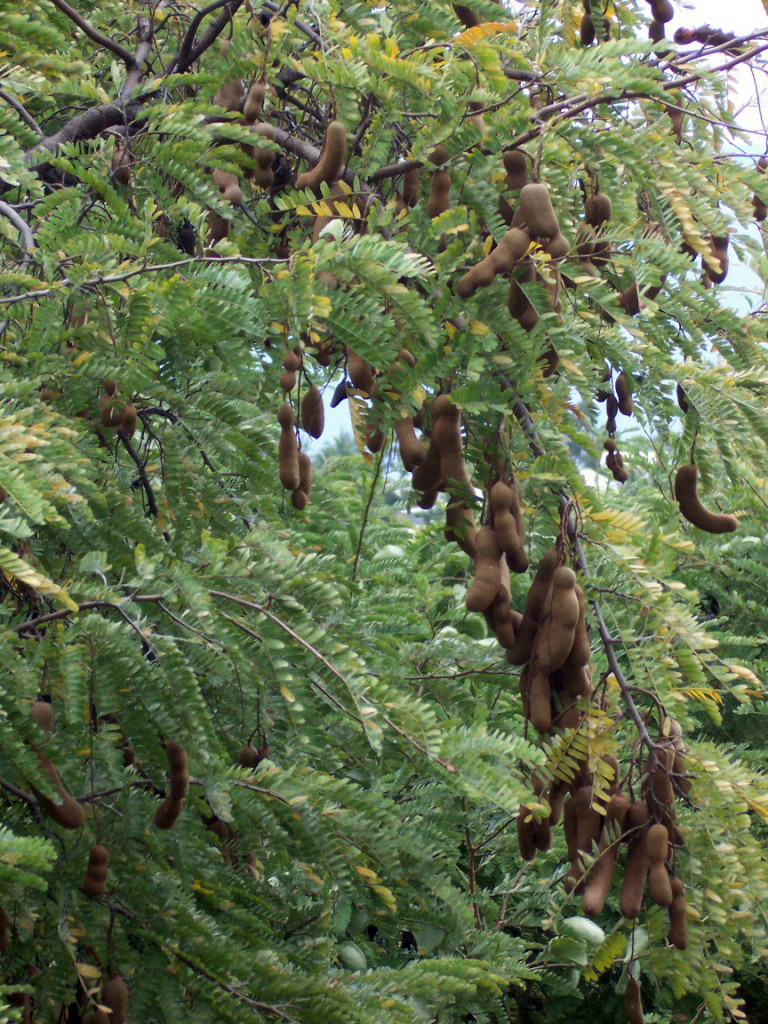 TamarindTamarindus indica
-
 ChickpeaCicer arietinum
-
 SoybeanGlycine max
-
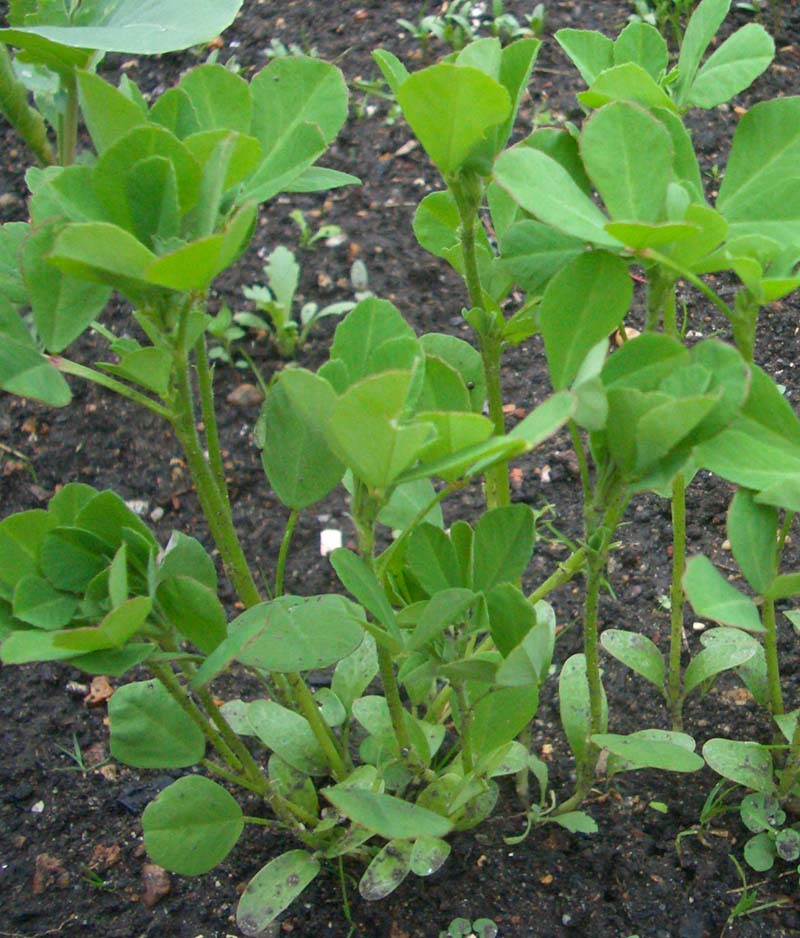 FenugreekTrigonella foenum-graecum
Compare
Questions and answers
What is the scientific name of the Nyala Tree?
The scientific name of the Nyala Tree is Xanthocercis zambesiaca. Written with its author, the full name is Xanthocercis zambesiaca (Baker) Dumaz-le-Grand.
Which family does the Nyala Tree belong to?
Xanthocercis zambesiaca belongs to the family Fabaceae, in the order Fabales and the class Magnoliopsida.
Where is the Nyala Tree found?
Checklists and occurrence records place Xanthocercis zambesiaca in 6 countries: South Africa, Mozambique, Zimbabwe, Malawi, Botswana and Zambia.
What is the conservation status of the Nyala Tree?
The IUCN Red List category recorded for Xanthocercis zambesiaca is Least Concern (LC).
What other names does the Nyala Tree have?
Xanthocercis zambesiaca is also known in English as Mashatu Tree and Nyala-tree.
Sources
Passages the profile rests on
- The species is a legume belonging to the Fabaceae family. Source passage: “is a species of legume in the family Fabaceae” — English Wikipedia
- The species grows in seasonally hot, low-lying river valleys. Source passage: “It occurs in seasonally hot, low-lying river valleys” — English Wikipedia
- The species grows on alluvial deposits and termite mounds where moisture is plentiful and soils are deep and fertile. Source passage: “Nyala trees grow on alluvium or termite mounds where they have access to plentiful moisture and deep, fertile soil.” — English Wikipedia
- The species occurs sparsely in the eastern lowveld of Southern Africa. Source passage: “They occur sparsely in the eastern lowveld of Southern Africa” — English Wikipedia
- The species is particularly prolific in the Limpopo Valley and along the Shashe River in the Tuli Block. Source passage: “but are more prolific in the Limpopo valley and along the Tuli Block's Shashe River” — English Wikipedia
- The species occurs in Botswana, Malawi, Mozambique, South Africa, Zambia and Zimbabwe. Source passage: “It occurs in seasonally hot, low-lying river valleys of Botswana, Malawi, Mozambique, South Africa, Zambia and Zimbabwe.” — English Wikipedia
- The foliage and fruit of the species provide food for various vertebrates. Source passage: “The foliage and fruit, which ripen in autumn and winter, provide food for various vertebrates.” — English Wikipedia
- Monkeys, baboons and birds feed on the species' fruit while it remains on the tree. Source passage: “Monkeys, baboons and birds feed on the fruit in the tree.” — pza.sanbi.org
- Elephants, giraffes, nyalas and other antelope are listed among the animals associated with feeding on the species. Source passage: “Elephant, giraffe and nyala, and other antelope, ...” — pza.sanbi.org
- The species functions as a phreatophyte, indicating the presence of groundwater. Source passage: “The Nyala tree is a phreatophyte – it indicates the presence of ground water.” — English Wikipedia
- The species is pollinated by insects. Source passage: “Xanthocercis zambesiaca is pollinated by insects.” — pza.sanbi.org
- The wood of the species can be worked to produce a smooth finish. Source passage: “The wood of a nyala tree can be worked, finishing with a smooth appearance” — English Wikipedia
- Working the wood of the species irritates the nose and throat. Source passage: “but irritates the nose and throat in the process.” — English Wikipedia
Data
- Catalogue of Life, 2026-10-16 XR cc by
- Global Biodiversity Information Facility CC BY 4.0
- Wikidata CC0
- GeoNames CC BY 4.0
- Wikimedia Commons per image; credit shown with each image
- Within the Catalogue of Life, this name comes from The World Checklist of Vascular Plants (WCVP): Fabaceae cc by
References
- Bull. Soc. Bot. France 99: 314 (1953) where the name was published
This species in other databases
- Catalogue of Life 7G6V5
- Wikidata Q7989274
- iNaturalist 340321
- World Flora Online wfo-0000212102
- GRIN 101974
Page built on 29 November 2026. See how the catalog is made and all sources and licences.
Cite this page
ScientificNames.org. (2026). Xanthocercis zambesiaca (Nyala Tree). Retrieved November 29, 2026, from https://scientificnames.org/species/xanthocercis-zambesiaca
“Xanthocercis zambesiaca (Nyala Tree).” ScientificNames.org, 2026, scientificnames.org/species/xanthocercis-zambesiaca. Accessed 29 Nov. 2026.
ScientificNames.org. “Xanthocercis zambesiaca (Nyala Tree).” Accessed November 29, 2026. https://scientificnames.org/species/xanthocercis-zambesiaca.
@misc{scientificnames_xanthocercis_zambesiaca_nyala_tree,
  author = {{ScientificNames.org}},
  title = {Xanthocercis zambesiaca (Nyala Tree)},
  year = {2026},
  url = {https://scientificnames.org/species/xanthocercis-zambesiaca},
  note = {Accessed 2026-11-29}
}