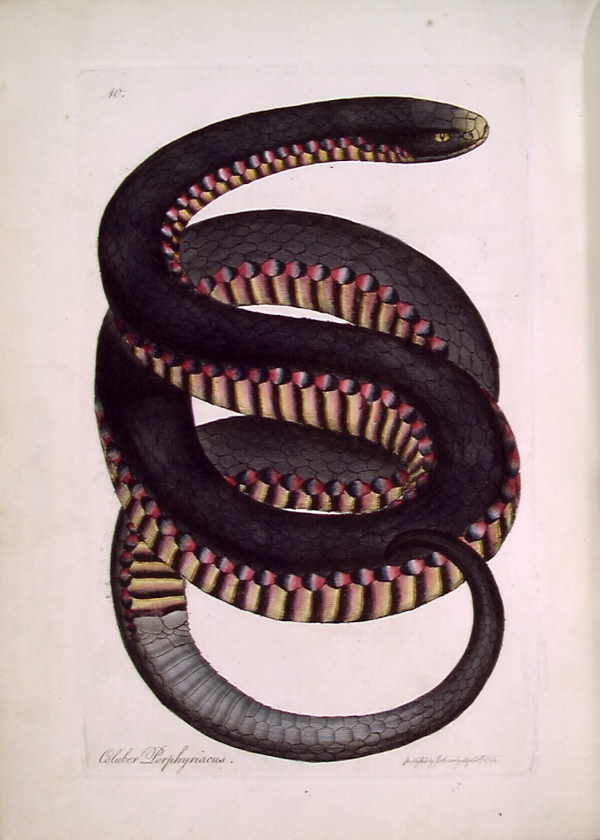
| Appearance | - Northern arid populations have very little dark pigmentation, whereas southern populations are almost black. australian.museum
- The underside is cream to salmon-coloured and commonly has scattered orange blotches. australian.museum
- The tail is generally darker than the body. australian.museum
| |
|---|
| Size | - The longest reliably measured specimen was 3.3 metres long. australian.museum
- The species generally averages approximately 200 centimetres in total length. australian.museum
- Adult males have significantly greater mean snout-vent lengths than adult females in museum collections. australian.museum
- The species has 17 rows of scales around the middle of its body. australian.museum
| - The species averages approximately 1.25 metres in total length, including its tail. English Wikipedia
- Reliable reports give the species a maximum total length of approximately 2.54 metres. australian.museum
- Males are generally slightly larger than females. australian.museum
|
|---|
| Habitat | - The species inhabits environments ranging from closed tropical monsoon forests to Triodia hummock grasslands. australian.museum
- The species also inhabits chenopod shrublands and nearly bare gibber or sandy deserts. australian.museum
- The species can occur in disturbed agricultural environments such as wheat fields. australian.museum
- Individuals shelter in abandoned animal burrows, deep soil cracks, beneath fallen timber and large rocks, and in rock cavities. australian.museum
- Individuals in arid and semiarid regions prefer relatively moist areas such as watercourses. English Wikipedia
| - The species commonly inhabits woodlands, forests, swamplands and riverbanks. English Wikipedia
- It is particularly associated with moist environments such as streams, swamps and lagoons. australian.museum
- It also inhabits grasslands, disturbed areas and rural properties. australian.museum
- The species frequently occurs around drainage canals and farm dams. australian.museum
- It prefers shallow water containing tangled aquatic vegetation, logs or debris. English Wikipedia
- Its shelters include thick grass clumps, logs, mammal burrows and large rocks. australian.museum
- Individuals maintain several preferred shelter sites within their home ranges. australian.museum
|
|---|
| Diet | - The species feeds on frogs, reptiles, reptile eggs, bird eggs, birds and mammals. australian.museum
- The species occasionally consumes invertebrates and carrion. australian.museum
- The species consumes a greater proportion of frogs in wetter habitats. English Wikipedia
- The species is known to consume other snakes, including brown snakes and whip snakes. English Wikipedia
- The species has been observed exhibiting cannibalism. English Wikipedia
| |
|---|
| Behaviour | - The species may be active during daytime or nighttime depending on temperature. australian.museum
- Activity generally decreases during the middle of the day and between midnight and dawn. australian.museum
- During the hottest months, individuals in northern populations become most active in the late evening and early hours after dusk. australian.museum
- Southern specimens have been observed basking during winter. australian.museum
- The temperament of the species varies geographically, with southern Eyre Peninsula and South Australian west coast populations being shy and northern populations being more excitable when disturbed. australian.museum
- When threatened, individuals inflate their bodies and hold their heads and flattened necks in a broad curve parallel to the ground. australian.museum
- When further threatened, individuals may lash out and bite. australian.museum
| - The species is generally non-aggressive and usually retreats when approached. English Wikipedia
- When threatened, it raises its head and forebody horizontally and flattens its neck. English Wikipedia
- The species is primarily active during daylight hours. English Wikipedia
- It can remain submerged underwater for as long as 23 minutes. English Wikipedia
- Its active body temperature generally ranges from 28 to 31 degrees Celsius. English Wikipedia
- It regulates its temperature by basking in sunny locations and resting in shade. australian.museum
- The species can climb several metres while searching for prey. australian.museum
|
|---|
| Reproduction | - The species reproduces by laying eggs. English Wikipedia
- Males engage in combat by entwining their bodies and attempting to push their opponents over. australian.museum
- Mating has been recorded in early spring in southwestern Australia and mid-spring on the Eyre Peninsula. australian.museum
- Northern populations may breed throughout the year or in association with the wet and post-wet seasons. australian.museum
- Females lay between four and nineteen eggs per clutch, averaging approximately nine. australian.museum
- The interval between mating and egg-laying ranges from 39 to 42 days. australian.museum
- Eggs generally hatch between 70 and 100 days after incubation begins, depending on temperature. australian.museum
| |
|---|
| Distribution | - The species occurs throughout Australia except in the extreme southern and general southeastern regions. australian.museum
| - The species is native to the eastern coast of Australia. English Wikipedia
- Its distribution extends continuously from southeastern Queensland through eastern New South Wales and Victoria. australian.museum
- Disjunct populations occur in northern and central eastern Queensland. australian.museum
- A separate population occurs in the southern Mount Lofty Ranges of South Australia. australian.museum
|
|---|
| Conservation | - The species is classified as Least Concern on the IUCN Red List. australian.museum
- Cane toad ingestion is considered a cause of population declines in northern Australia. australian.museum
- The species is susceptible to cane toad toxins and individuals have died after consuming cane toads. English Wikipedia
| |
|---|
| Similar species | No checked fact yet | - Copperheads of the genus Austrelaps are also potential identification lookalikes. English Wikipedia
|
|---|