Species · Flowering plants
Northern Wisteria Austrocallerya pilipes
The scientific name of the Northern Wisteria is Austrocallerya pilipes. It is a species of flowering plant in the family Fabaceae (bean), order Fabales.
- Scientific name
- Austrocallerya pilipes (F.M.Bailey) J.Compton & Schrire
- Common name
- Northern Wisteria
- Genus
- Austrocallerya
- Family
- Fabaceae (Bean)
- Order
- Fabales
- Class
- Magnoliopsida
- Recorded in
- 2 countries
- Name status
- accepted in the Catalogue of Life

Overview
Northern wisteria is a robust, twining woody vine. It occurs in rainforest habitats in Queensland, Australia, at elevations between 300 and 1,200 metres. Its floral bracts exceed 8 mm in both length and width, distinguishing it from other Austrocallerya species.
Written 27 November 2026 from the sources listed below. Each statement was checked against the passage it cites; statements that could not be supported were removed.
Appearance
Northern wisteria is a robust, twining woody vine with evergreen leaves bearing 4–18 pairs of leaflets and one terminal leaflet. Its flowers grow in robust, many-flowered terminal panicles.[1][2][3]
Its floral bracts exceed 8 mm in both length and width and enclose the flower buds before opening. The seed pod surface lacks longitudinal ridges and grooves.[4][5]
Habitat
Northern wisteria occurs in rainforest habitats in Queensland, Australia, at elevations between 300 and 1,200 metres. In its natural habitat, it climbs trees and grows over scrub.[6][7][8][9]
Similar species
Northern wisteria can be distinguished from other Austrocallerya species by its floral bracts, which exceed 8 mm in both length and width.[4][10]
Classification of the Northern Wisteria
| Kingdom | Plantae |
|---|---|
| Subkingdom | Pteridobiotina |
| Phylum | Tracheophyta |
| Class | Magnoliopsida |
| Order | Fabales |
| Family | Fabaceae (Bean) |
| Genus | Austrocallerya |
| Species | Austrocallerya pilipes (F.M.Bailey) J.Compton & Schrire |
Where the Northern Wisteria is found
Checklists and occurrence records place Austrocallerya pilipes in 2 countries across Asia and Oceania. GBIF holds 110 georeferenced records of it.
Countries where it is native or its origin is not stated
Countries where it has been introduced
Regions and cities with the most records
A number beside a place is its count of GBIF occurrence records. A place without a number comes from a checklist alone. Records show where a species has been observed or collected, which can include escapes and vagrants.
Common names
English
- Northern Wisteria
Synonyms
3 other scientific names have been used for this species and are now treated as synonyms of Austrocallerya pilipes.
- Callerya pilipes (F.M.Bailey) Schot
- Millettia pilipes F.M.Bailey
- Wisteria pilipes (F.M.Bailey) Sprague
Related species
-
 Native WisteriaAustrocallerya megasperma
-
 Blunt WisteriaAustrocallerya australis
-
 PeanutArachis hypogaea
-
 LiquoriceGlycyrrhiza glabra
-
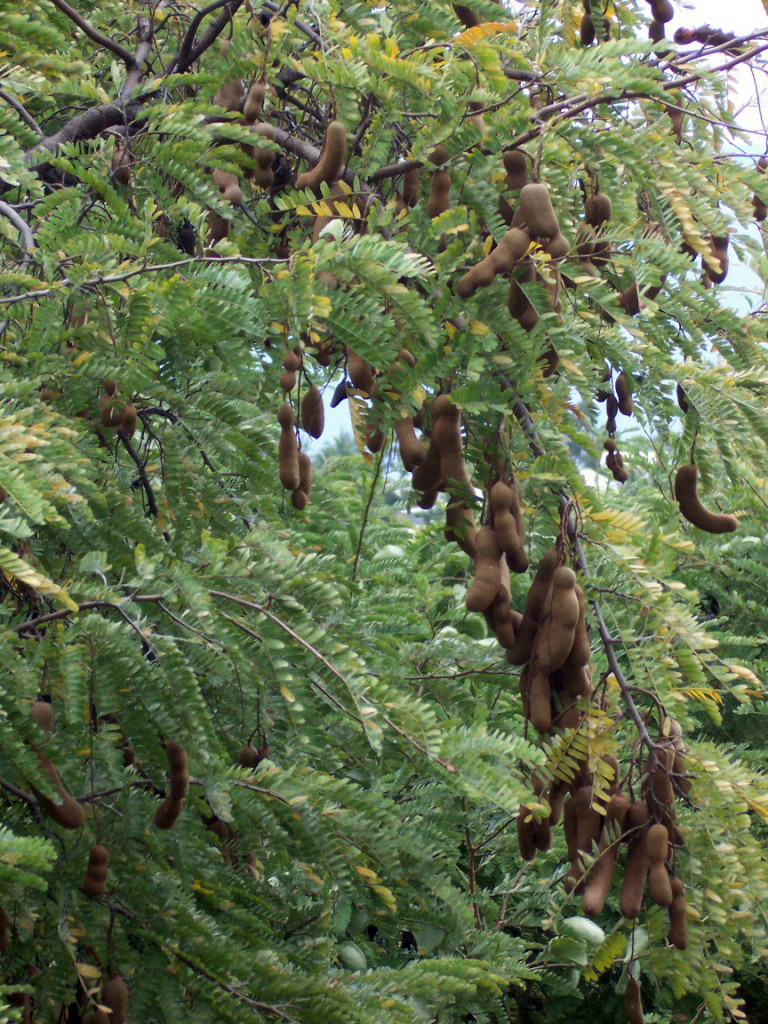 TamarindTamarindus indica
-
 ChickpeaCicer arietinum
-
 SoybeanGlycine max
-
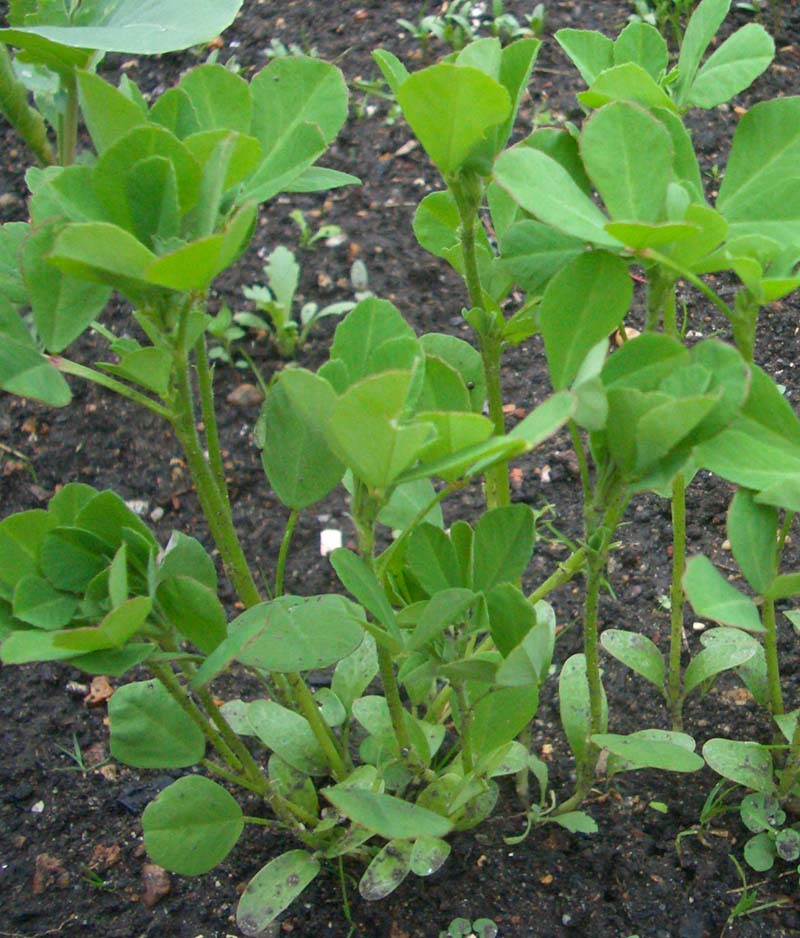 FenugreekTrigonella foenum-graecum
Compare
Questions and answers
What is the scientific name of the Northern Wisteria?
The scientific name of the Northern Wisteria is Austrocallerya pilipes. Written with its author, the full name is Austrocallerya pilipes (F.M.Bailey) J.Compton & Schrire.
Which family does the Northern Wisteria belong to?
Austrocallerya pilipes belongs to the family Fabaceae, in the order Fabales and the class Magnoliopsida.
Where is the Northern Wisteria found?
Checklists and occurrence records place Austrocallerya pilipes in 2 countries, including Australia.
Sources
Passages the profile rests on
- Austrocallerya pilipes is a robust, twining woody vine. Source passage: “A. pilipes is a robust, twining woody vine.” — English Wikipedia
- The species has evergreen leaves bearing 4–18 pairs of leaflets and one terminal leaflet. Source passage: “It has evergreen leaves with 4–18 paired leaflets plus a terminal leaflet.” — English Wikipedia
- Its flowers grow in robust, many-flowered terminal panicles. Source passage: “Its flowers are arranged in a robust many-flowered terminal panicle.” — English Wikipedia
- Its floral bracts exceed 8 mm in both length and width and enclose the flower buds before opening. Source passage: “by its larger floral bracts, more than 8 mm (0.3 in) long and wide, as opposed to at most 2 mm (0.1 in) wide, which enclose the flower buds before the flower opens.” — English Wikipedia
- The seed pod surface lacks longitudinal ridges and grooves. Source passage: “the surface of the seed pod lacks longitudinal ridges or grooves.” — English Wikipedia
- The species occurs in rainforest habitats. Source passage: “where it occurs in rainforest” — English Wikipedia
- The vine climbs trees and grows over scrub in its natural habitat. Source passage: “climbing up trees and over scrub” — English Wikipedia
- Austrocallerya pilipes is endemic to Queensland, Australia. Source passage: “is a species of flowering plant in the family Fabaceae, endemic to Queensland, Australia.” — English Wikipedia
- The species occurs at elevations between 300 and 1,200 metres. Source passage: “at elevations from 300 to 1,200 m (1,000 to 3,900 ft).” — English Wikipedia
- The species can be distinguished from other Austrocallerya species by its floral bracts exceeding 8 mm in length and width. Source passage: “A. pilipes can be distinguished from the other species in the genus by its larger floral bracts, more than 8 mm (0.3 in) long and wide” — English Wikipedia
- Frederick Manson Bailey first described the species in 1890 under the name Millettia pilipes. Source passage: “The species was first described by Frederick Manson Bailey in 1890 as Millettia pilipes.” — English Wikipedia
- The species was transferred to the genus Callerya in 1994 by Anne M. Schot. Source passage: “It was placed in the genus Callerya as Callerya pilipes by Anne M. Schot in 1994.” — English Wikipedia
- A 2019 molecular phylogenetic study placed the species in the newly established genus Austrocallerya. Source passage: “A 2019 molecular phylogenetic study found that it did not belong either in the genus Millettia or in the genus Callerya, and placed it in a newly established genus Austrocallerya within an expanded tribe Wisterieae.” — English Wikipedia
Data
- Catalogue of Life, 2026-10-16 XR cc by
- Global Biodiversity Information Facility CC BY 4.0
- Wikidata CC0
- GeoNames CC BY 4.0
- Wikimedia Commons per image; credit shown with each image
- Within the Catalogue of Life, this name comes from The World Checklist of Vascular Plants (WCVP): Fabaceae cc by
References
- PhytoKeys 125: 89 (2019) where the name was published
This species in other databases
Page built on 29 November 2026. See how the catalog is made and all sources and licences.
Cite this page
ScientificNames.org. (2026). Austrocallerya pilipes (Northern Wisteria). Retrieved November 29, 2026, from https://scientificnames.org/species/austrocallerya-pilipes
“Austrocallerya pilipes (Northern Wisteria).” ScientificNames.org, 2026, scientificnames.org/species/austrocallerya-pilipes. Accessed 29 Nov. 2026.
ScientificNames.org. “Austrocallerya pilipes (Northern Wisteria).” Accessed November 29, 2026. https://scientificnames.org/species/austrocallerya-pilipes.
@misc{scientificnames_austrocallerya_pilipes_northern_wisteria,
  author = {{ScientificNames.org}},
  title = {Austrocallerya pilipes (Northern Wisteria)},
  year = {2026},
  url = {https://scientificnames.org/species/austrocallerya-pilipes},
  note = {Accessed 2026-11-29}
}