Species · Flowering plants
Loma Prieta Hoita strobilina
The scientific name of the Loma Prieta is Hoita strobilina. It is a species of flowering plant in the family Fabaceae (bean), order Fabales.
- Scientific name
- Hoita strobilina (Hook. & Arn.) Rydb.
- Common name
- Loma Prieta
- Genus
- Hoita
- Family
- Fabaceae (Bean)
- Order
- Fabales
- Class
- Magnoliopsida
- Recorded in
- 1 country
- Name status
- accepted in the Catalogue of Life
Overview
Hoita strobilina is a rare species of legume known by the common name Loma Prieta leatherroot, or Loma Prieta hoita. It is endemic to California, where it is known from occasional occurrences in the San Francisco Bay Area. It grows in chaparral and woodland habitats in the local mountains, often on serpentine soil. This is a perennial herb growing erect, approaching a meter in maximum height.
Classification of the Loma Prieta
| Kingdom | Plantae |
|---|---|
| Subkingdom | Pteridobiotina |
| Phylum | Tracheophyta |
| Class | Magnoliopsida |
| Order | Fabales |
| Family | Fabaceae (Bean) |
| Genus | Hoita (Leather-root) |
| Species | Hoita strobilina (Hook. & Arn.) Rydb. |
Where the Loma Prieta is found
Checklists and occurrence records place Hoita strobilina in 1 country across North America. GBIF holds 472 georeferenced records of it.
Countries
Regions and cities with the most records
- California, United States 387
- Los Gatos, United States 223
- Campbell, United States 183
- Morgan Hill, United States 164
- Saratoga, United States 156
- San Jose, United States 145
- Santa Clara, United States 124
- Cupertino, United States 115
- Live Oak, United States 107
- Sunnyvale, United States 83
- Milpitas, United States 80
- Santa Cruz, United States 73
- Gilroy, United States 66
- Watsonville, United States 64
- Mountain View, United States 51
- Los Altos, United States 37
- Palo Alto, United States 10
- East Palo Alto, United States 3
A number beside a place is its count of GBIF occurrence records. A place without a number comes from a checklist alone. Records show where a species has been observed or collected, which can include escapes and vagrants.
Common names
English
- Loma Prieta
- Loma Prieta Hoita
Synonyms
2 other scientific names have been used for this species and are now treated as synonyms of Hoita strobilina.
- Lotodes strobilinum (Hook. & Arn.) Kuntze
- Psoralea strobilina Hook. & Arn.
Related species
-
 California HempHoita macrostachya
-
 Roundleaf Leather-rootHoita orbicularis
-
 PeanutArachis hypogaea
-
 LiquoriceGlycyrrhiza glabra
-
 TamarindTamarindus indica
-
 ChickpeaCicer arietinum
-
 SoybeanGlycine max
-
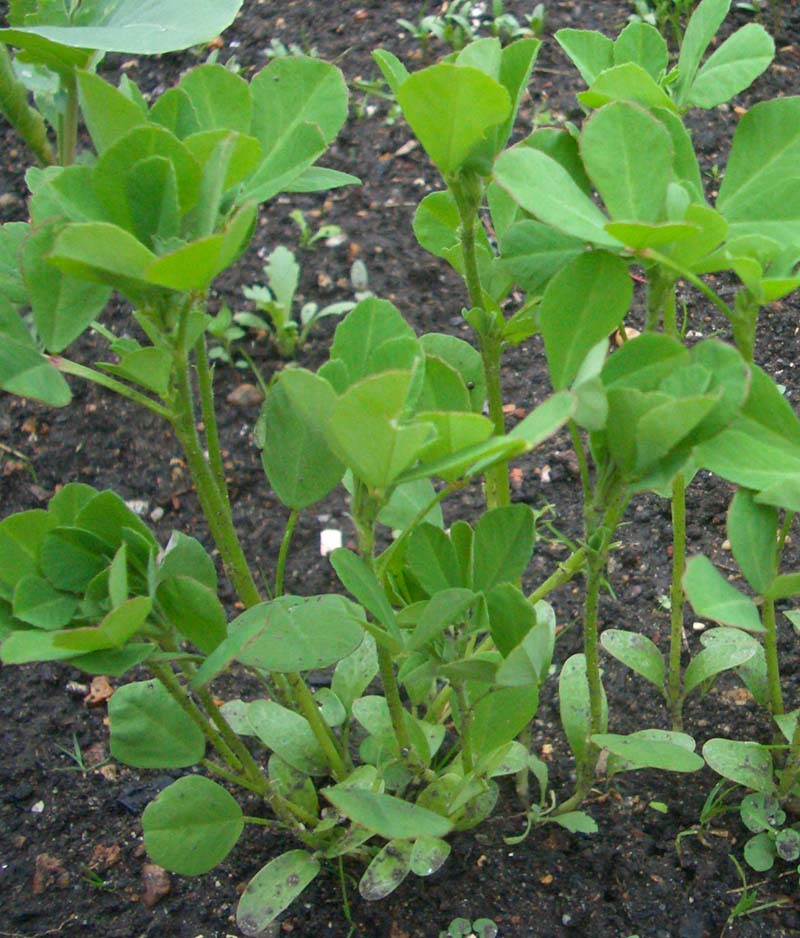 FenugreekTrigonella foenum-graecum
Compare
Questions and answers
What is the scientific name of the Loma Prieta?
The scientific name of the Loma Prieta is Hoita strobilina. Written with its author, the full name is Hoita strobilina (Hook. & Arn.) Rydb..
Which family does the Loma Prieta belong to?
Hoita strobilina belongs to the family Fabaceae, in the order Fabales and the class Magnoliopsida.
Where is the Loma Prieta found?
Checklists and occurrence records place Hoita strobilina in 1 country: United States.
What other names does the Loma Prieta have?
Hoita strobilina is also known in English as Loma Prieta Hoita.
Sources
Data
- Catalogue of Life, 2026-10-16 XR cc by
- Global Biodiversity Information Facility CC BY 4.0
- Wikidata CC0
- English Wikipedia CC BY-SA 4.0
- GeoNames CC BY 4.0
- Within the Catalogue of Life, this name comes from The World Checklist of Vascular Plants (WCVP): Fabaceae cc by
References
- N.L.Britton & al. (eds.), N. Amer. Fl. 24: 11 (1919) where the name was published
This species in other databases
Page built on 27 November 2026. See how the catalog is made and all sources and licences.
Cite this page
ScientificNames.org. (2026). Hoita strobilina (Loma Prieta). Retrieved November 27, 2026, from https://scientificnames.org/species/hoita-strobilina
“Hoita strobilina (Loma Prieta).” ScientificNames.org, 2026, scientificnames.org/species/hoita-strobilina. Accessed 27 Nov. 2026.
ScientificNames.org. “Hoita strobilina (Loma Prieta).” Accessed November 27, 2026. https://scientificnames.org/species/hoita-strobilina.
@misc{scientificnames_hoita_strobilina_loma_prieta,
  author = {{ScientificNames.org}},
  title = {Hoita strobilina (Loma Prieta)},
  year = {2026},
  url = {https://scientificnames.org/species/hoita-strobilina},
  note = {Accessed 2026-11-27}
}