Species · Birds
Bismarck Whistler Pachycephala citreogaster
The scientific name of the Bismarck Whistler is Pachycephala citreogaster. It is a species of bird in the family Pachycephalidae (whistlers & allies), order Passeriformes. The name dates from 1876.
- Scientific name
- Pachycephala citreogaster E. P. Ramsay, 1876
- Common name
- Bismarck Whistler
- Genus
- Pachycephala
- Family
- Pachycephalidae (Whistlers & Allies)
- Order
- Passeriformes
- Class
- Aves
- Recorded in
- 1 country
- Name status
- accepted in the Catalogue of Life
Overview
Pachycephala citreogaster is endemic to the Bismarck Archipelago north-east of New Guinea. It has a bright golden belly, a black chest and head, a clean white throat, and olive-colored back, wings and tail.
Written 27 November 2026 from the sources listed below. Each statement was checked against the passage it cites; statements that could not be supported were removed.
Appearance
The Bismarck Whistler has a bright golden belly, a black chest and head, and a clean white throat. Its back, wings and tail are olive-colored.[1][2]
Male Bismarck Whistlers have white throats, unlike the yellow-throated males of the oriole whistler.[3]
Habitat
The Bismarck Whistler is endemic to the Bismarck Archipelago north-east of New Guinea. The nominate subspecies Pachycephala citreogaster citreogaster occurs on New Hanover, New Britain and New Ireland.[4][5]
Pachycephala citreogaster tabarensis occurs on Tabar Island in the eastern Bismarck Archipelago. Pachycephala citreogaster ottomeyeri occurs on Lihir Island in the eastern Bismarck Archipelago.[6][7]
Classification of the Bismarck Whistler
| Kingdom | Animalia |
|---|---|
| Phylum | Chordata |
| Subphylum | Vertebrata |
| Infraphylum | Gnathostomata |
| Parvphylum | Osteichthyes |
| Megaclass | Tetrapoda |
| Class | Aves (Bird) |
| Order | Passeriformes (Passerine) |
| Family | Pachycephalidae (Whistlers & Allies) |
| Genus | Pachycephala (Thickheads) |
| Species | Pachycephala citreogaster E. P. Ramsay, 1876 |
Where the Bismarck Whistler is found
Checklists and occurrence records place Pachycephala citreogaster in 1 country. GBIF holds 301 georeferenced records of it.
Countries
Regions and cities with the most records
- New Ireland, Papua New Guinea 87
- Manus Province, Papua New Guinea 63
- West New Britain Province, Papua New Guinea 42
- East New Britain Province, Papua New Guinea 27
- Milne Bay Province, Papua New Guinea 27
- Kimbe, Papua New Guinea 9
- Bulolo, Papua New Guinea 3
- Morobe Province, Papua New Guinea 3
A number beside a place is its count of GBIF occurrence records. A place without a number comes from a checklist alone. Records show where a species has been observed or collected, which can include escapes and vagrants.
Common names
English
- Bismarck Whistler
- Bismark Whistler
Names in 18 other languages
- Chinese
- 俾斯麥嘯鶲, 俾斯麦啸鹟
- Danish
- Bismarckfløjter
- Dutch
- Bismarckfluiter
- Esperanto
- bismarka pakicefalo
- Finnish
- bismarckinviheltäjä
- French
- Siffleur des Bismarck
- German
- Bismarck-Dickkopf, Bismarckdickkopf
- Italian
- Zufolatore delle Bismarck
- Japanese
- ビスマルクモズヒタキ
- Norwegian
- bismarckplystrer
- Polish
- fletówka cytrynowa
- Portuguese
- assobiadeira-das-bismarck, sibilante-das-bismarck
- Russian
- Бисмаркский свистун
- Slovak
- hlaváčik melanézsky
- Spanish
- Silbador de Bismarck
- Swedish
- bismarckvisslare
- Turkish
- Bismark Islıkçısı
- Ukrainian
- свистун бісмарцький
Subspecies and varieties
- Pachycephala citreogaster citreogaster subspecies
- Pachycephala citreogaster collaris (Louisiade Whistler) subspecies
- Pachycephala citreogaster goodsoni (Manus Whistler) subspecies
- Pachycephala citreogaster ottomeyeri subspecies
- Pachycephala citreogaster rosseliana subspecies
- Pachycephala citreogaster sexuvaria subspecies
- Pachycephala citreogaster tabarensis subspecies
Related species
-
 Australian Golden WhistlerPachycephala pectoralis
-
 Rufous WhistlerPachycephala rufiventris
-
 Tongan WhistlerPachycephala jacquinoti
-
 Olive WhistlerPachycephala olivacea
-
 Mangrove Golden WhistlerPachycephala melanura
-
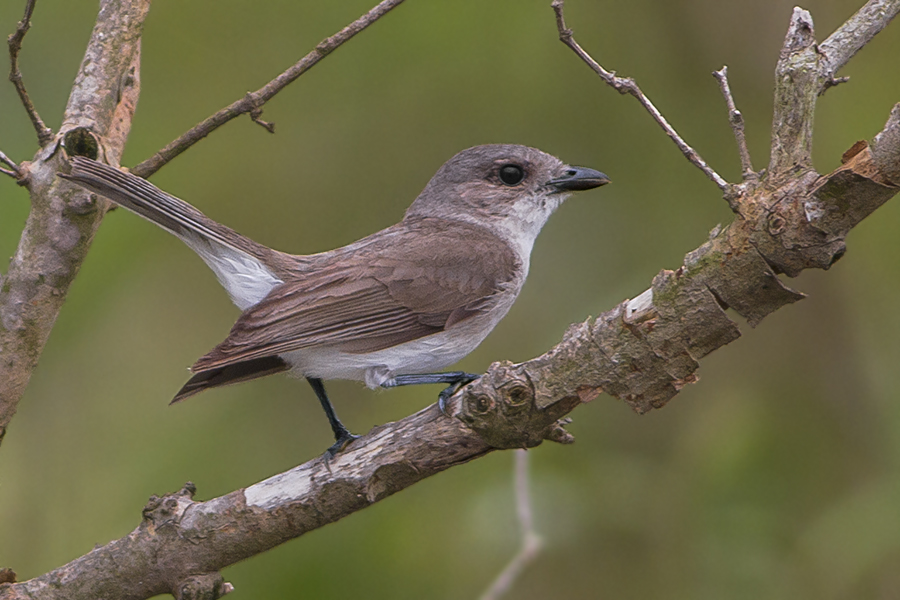 Mangrove WhistlerPachycephala cinerea
-
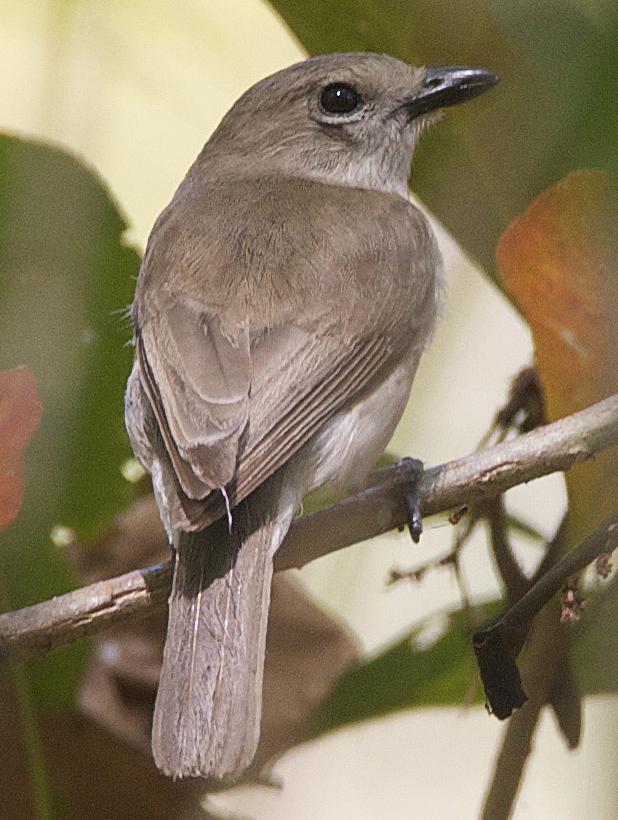 Grey WhistlerPachycephala simplex
-
 Gilbert's WhistlerPachycephala inornata
Compare
Questions and answers
What is the scientific name of the Bismarck Whistler?
The scientific name of the Bismarck Whistler is Pachycephala citreogaster. Written with its author, the full name is Pachycephala citreogaster E. P. Ramsay, 1876.
Which family does the Bismarck Whistler belong to?
Pachycephala citreogaster belongs to the family Pachycephalidae, in the order Passeriformes and the class Aves.
Where is the Bismarck Whistler found?
Checklists and occurrence records place Pachycephala citreogaster in 1 country: Papua New Guinea.
What other names does the Bismarck Whistler have?
Pachycephala citreogaster is also known in English as Bismark Whistler.
Where does the Bismarck Whistler occur?
It is endemic to the Bismarck Archipelago north-east of New Guinea.[4]
Which islands are occupied by the nominate subspecies?
Pachycephala citreogaster citreogaster occurs on New Hanover, New Britain and New Ireland.[5]
Where do Pachycephala citreogaster tabarensis and Pachycephala citreogaster ottomeyeri occur?
Pachycephala citreogaster tabarensis occurs on Tabar Island, while Pachycephala citreogaster ottomeyeri occurs on Lihir Island. Both islands are in the eastern Bismarck Archipelago.[6][7]
How many subspecies are recognized?
Five subspecies are recognized.[8]
How can male Bismarck Whistlers be distinguished from male oriole whistlers?
Male Bismarck Whistlers have white throats, unlike the yellow-throated males of the oriole whistler.[3]
Sources
Passages the profile rests on
- The Bismarck Whistler has a bright golden belly, a black chest and head, and a clean white throat. Source passage: “A brightly colored bird with a bright golden belly, a black chest and head, and a clean white throat.” — ebird.org
- The Bismarck Whistler has olive-colored back, wings and tail. Source passage: “Back, wings, and tail olive.” — ebird.org
- Male Bismarck Whistlers have white throats, unlike the yellow-throated males of the oriole whistler. Source passage: “The males of the Bismarck whistler are white-throated unlike the yellow-throated males of the oriole whistler (P. orioloides) to the south-east.” — English Wikipedia
- The Bismarck Whistler is endemic to the Bismarck Archipelago north-east of New Guinea. Source passage: “which is endemic to the Bismarck Archipelago north-east of New Guinea.” — English Wikipedia
- The nominate subspecies Pachycephala citreogaster citreogaster occurs on New Hanover, New Britain and New Ireland. Source passage: “P. c. citreogaster – Ramsay, 1876: Found on New Hanover, New Britain and New Ireland (Bismarck Archipelago)” — English Wikipedia
- The subspecies Pachycephala citreogaster tabarensis occurs on Tabar Island in the eastern Bismarck Archipelago. Source passage: “P. c. tabarensis – Mayr, 1955: Found on Tabar Island (eastern Bismarck Archipelago)” — English Wikipedia
- The subspecies Pachycephala citreogaster ottomeyeri occurs on Lihir Island in the eastern Bismarck Archipelago. Source passage: “P. c. ottomeyeri – Stresemann, 1933: Found on Lihir Island (eastern Bismarck Archipelago)” — English Wikipedia
- Five subspecies of the Bismarck Whistler are recognized in the document. Source passage: “Five subspecies are recognized:” — English Wikipedia
Data
- Catalogue of Life, 2026-10-16 XR cc by
- Global Biodiversity Information Facility CC BY 4.0
- Wikidata CC0
- GeoNames CC BY 4.0
- Within the Catalogue of Life, this name comes from The Integrated Taxonomic Information System cc0
This species in other databases
Page built on 27 November 2026. See how the catalog is made and all sources and licences.
Cite this page
ScientificNames.org. (2026). Pachycephala citreogaster (Bismarck Whistler). Retrieved November 27, 2026, from https://scientificnames.org/species/pachycephala-citreogaster
“Pachycephala citreogaster (Bismarck Whistler).” ScientificNames.org, 2026, scientificnames.org/species/pachycephala-citreogaster. Accessed 27 Nov. 2026.
ScientificNames.org. “Pachycephala citreogaster (Bismarck Whistler).” Accessed November 27, 2026. https://scientificnames.org/species/pachycephala-citreogaster.
@misc{scientificnames_pachycephala_citreogaster_bismarck_whistler,
  author = {{ScientificNames.org}},
  title = {Pachycephala citreogaster (Bismarck Whistler)},
  year = {2026},
  url = {https://scientificnames.org/species/pachycephala-citreogaster},
  note = {Accessed 2026-11-27}
}