Species · Flowering plants
Spoon-leaved Cudweed Stuartina muelleri
The scientific name of the Spoon-leaved Cudweed is Stuartina muelleri. It is a species of flowering plant in the family Asteraceae (composite), order Asterales.
- Scientific name
- Stuartina muelleri Sond.
- Common name
- Spoon-leaved Cudweed
- Genus
- Stuartina
- Family
- Asteraceae (Composite)
- Order
- Asterales
- Class
- Magnoliopsida
- Recorded in
- 3 countries
- Name status
- accepted in the Catalogue of Life
Overview
Wikidata describes Stuartina muelleri as “species of plant”.
Classification of the Spoon-leaved Cudweed
| Kingdom | Plantae |
|---|---|
| Subkingdom | Pteridobiotina |
| Phylum | Tracheophyta |
| Class | Magnoliopsida |
| Order | Asterales |
| Family | Asteraceae (Composite) |
| Subfamily | Asteroideae |
| Tribe | Gnaphalieae |
| Subtribe | Angianthinae |
| Genus | Stuartina |
| Species | Stuartina muelleri Sond. |
Where the Spoon-leaved Cudweed is found
Checklists and occurrence records place Stuartina muelleri in 3 countries across Europe and Oceania. GBIF holds 4,334 georeferenced records of it.
Countries where it is native or its origin is not stated
Countries where it has been introduced
Regions and cities with the most records
- New South Wales, Australia 1,900
- Victoria, Australia 1,709
- South Australia, Australia 460
- Canberra, Australia 129
- Australian Capital Territory, Australia 122
- Adelaide Hills, Australia 79
- Adelaide, Australia 61
- Tuggeranong, Australia 60
- Bendigo, Australia 58
- Canterbury, New Zealand 43
- Christchurch, New Zealand 38
- Melbourne, Australia 26
- Queensland, Australia 19
- Ballarat, Australia 9
- Geelong, Australia 7
- Western Australia, Australia 3
Range as the checklists state it
Germany [I]; Australia (Western Australia, South Australia, Queensland, New South Wales, Victoria); New Zealand [I]
A number beside a place is its count of GBIF occurrence records. A place without a number comes from a checklist alone. Records show where a species has been observed or collected, which can include escapes and vagrants.
Common names
English
- Spoon-leaved Cudweed
- Spoon Leaved Cudweed
Synonyms
One other scientific name has been used for this species and is now treated as a synonym of Stuartina muelleri.
- Gnephosis rotundifolia Diels
Related species
- Hooked CudweedStuartina hamata
-
 Jerusalem ArtichokeHelianthus tuberosus
-
 ChicoryCichorium intybus
-
 WormwoodArtemisia absinthium
-
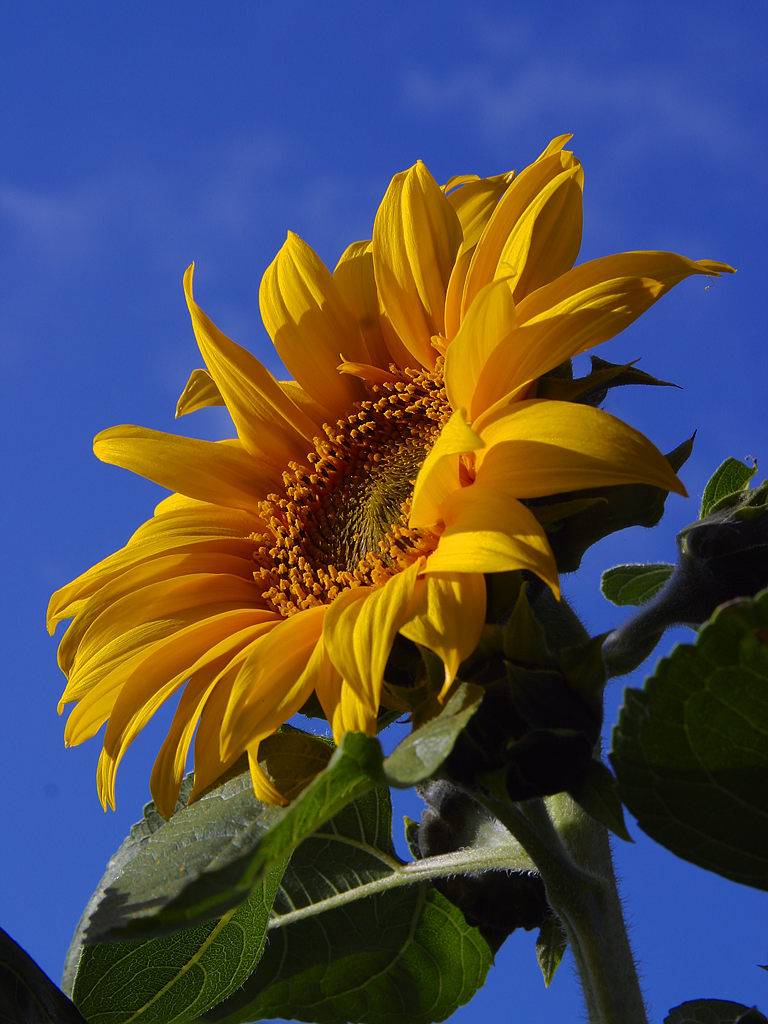 Common SunflowerHelianthus annuus
-
 MilfoilAchillea millefolium
-
 LettuceLactuca sativa
-
 TarragonArtemisia dracunculus
Compare
Questions and answers
What is the scientific name of the Spoon-leaved Cudweed?
The scientific name of the Spoon-leaved Cudweed is Stuartina muelleri. Written with its author, the full name is Stuartina muelleri Sond..
Which family does the Spoon-leaved Cudweed belong to?
Stuartina muelleri belongs to the family Asteraceae, in the order Asterales and the class Magnoliopsida.
Where is the Spoon-leaved Cudweed found?
Checklists and occurrence records place Stuartina muelleri in 3 countries, including Australia.
What other names does the Spoon-leaved Cudweed have?
Stuartina muelleri is also known in English as Spoon Leaved Cudweed.
Sources
Data
- Catalogue of Life, 2026-10-16 XR cc by
- Global Biodiversity Information Facility CC BY 4.0
- Wikidata CC0
- GeoNames CC BY 4.0
- Within the Catalogue of Life, this name comes from Synonymic Checklists of the Vascular Plants of the World cc by
References
- Sond. (1852). Linnaea 25: 522 (1852). where the name was published
This species in other databases
Page built on 26 November 2026. See how the catalog is made and all sources and licences.
Cite this page
ScientificNames.org. (2026). Stuartina muelleri (Spoon-leaved Cudweed). Retrieved November 26, 2026, from https://scientificnames.org/species/stuartina-muelleri
“Stuartina muelleri (Spoon-leaved Cudweed).” ScientificNames.org, 2026, scientificnames.org/species/stuartina-muelleri. Accessed 26 Nov. 2026.
ScientificNames.org. “Stuartina muelleri (Spoon-leaved Cudweed).” Accessed November 26, 2026. https://scientificnames.org/species/stuartina-muelleri.
@misc{scientificnames_stuartina_muelleri_spoon_leaved_cudweed,
  author = {{ScientificNames.org}},
  title = {Stuartina muelleri (Spoon-leaved Cudweed)},
  year = {2026},
  url = {https://scientificnames.org/species/stuartina-muelleri},
  note = {Accessed 2026-11-26}
}