Species · Mammals
Indian Gerbil Tatera indica
The scientific name of the Indian Gerbil is Tatera indica. It is a species of mammal in the family Muridae (mice), order Rodentia. The name dates from 1807.
- Scientific name
- Tatera indica (Hardwicke, 1807)
- Common name
- Indian Gerbil
- Genus
- Tatera
- Family
- Muridae (Mice)
- Order
- Rodentia
- Class
- Mammalia
- Red List category
- LC Least Concern
- Recorded in
- 11 countries
- Name status
- accepted in the Catalogue of Life

Overview
Tatera indica occurs from Syria eastward through to Bangladesh, with a recorded range including India, Sri Lanka, Pakistan, Syria, Afghanistan, and Nepal. It is distinguished by light brown dorsal fur, white underparts, large prominent eyes, and a fully furred tail with a black tuft at its tip.
Written 26 November 2026 from the sources listed below. Each statement was checked against the passage it cites; statements that could not be supported were removed.
Appearance
The dorsal fur, including the head, is light brown or light brown with a rusty wash. The underparts are white.[1][2]
The tail is fully furred and dark blackish brown, with grayish sides and a prominent black tuft at its tip. Its fur is longer than the soft, sparse body fur.[3][4]
The species has large, prominent eyes, elongated naked ears, and hairless, pigmented foot soles.[5][6]
Head and body length ranges from 17 to 20 cm. Body mass ranges from 100 to 227 grams.[7][8]
Habitat
The Indian Gerbil prefers sandy plains and grasslands that support extensive burrowing. It frequently occurs near agricultural fields.[9][10]
It generally avoids areas with very low rainfall or cold temperatures. It occupies a wide variety of habitats when sufficient suitable food is available.[11][12]
Behaviour
The species constructs extensive burrows containing chambers for resting, food storage, and sleeping. The burrow system has a simple Y shape with two surface openings.[13][14]
Burrow depth shifts seasonally from approximately 35 cm in winter to 45–50 cm in summer.[15]
The Indian Gerbil is nocturnal and generally remains close to its burrows. Individuals generally occupy separate burrows but live in loose communities with extensively overlapping home ranges.[16][17]
Individuals engage in wrestling, chasing, and boxing with other gerbils. When surprised, they can leap several metres into the air.[18][19]
Population numbers peak during the monsoon season from March through September and reach their lowest level in January.[20]
Diet
The Indian Gerbil is omnivorous and consumes grains, seeds, plants, roots, insects, reptiles, small birds, and small mammals.[21]
Its diet includes grasses, leaves, roots, grains, grubs, insects, and nestling ground birds. During the wet season, insects and other arthropods can account for as much as 40% of the diet.[22][23][24]
The species stores grain in its burrows for consumption during the dry season. It has been documented killing and eating smaller rodents and other mammals.[25][26]
Cannibalism of young occurs in both wild and captive populations.[27]
Reproduction and life cycle
Males and females generally live apart. The estrous cycle lasts approximately 4.5 days under laboratory conditions.[28][29]
The gestation period ranges from 21 to 30 days. Litters contain between 1 and 10 young, with 5 to 6 being the most common litter size.[30][31]
Young are born in a nest chamber inside a burrow in a relatively helpless condition. Their eyes open at approximately 14 days of age.[32][33]
Young become independent as early as 21 days of age. Sexual maturity can be reached as early as 10 weeks of age, with females maturing earlier than males.[34][35]
Conservation
The species is not listed by CITES or the IUCN. It is described as abundant throughout its range.[36][37]
Most wild individuals do not survive their first year, and adults probably live only a few years. A captive individual has been recorded living for seven years.[38][39]
Uses
Indian Gerbils are hunted for food in southern India.[40]
The species consumes large quantities of insects that are potential agricultural pests. It is also considered an agricultural pest, particularly where grain is stored, and can damage seeds, sprouts, mature plants, corn ears, and orchard saplings.[41][42][43]
Classification of the Indian Gerbil
| Kingdom | Animalia |
|---|---|
| Phylum | Chordata |
| Subphylum | Vertebrata |
| Infraphylum | Gnathostomata |
| Parvphylum | Osteichthyes |
| Megaclass | Tetrapoda |
| Class | Mammalia (Mammal) |
| Subclass | Theria |
| Infraclass | Eutheria |
| Order | Rodentia (Rodent) |
| Suborder | Myomorpha (Mice) |
| Superfamily | Muroidea |
| Family | Muridae (Mice) |
| Subfamily | Gerbillinae |
| Genus | Tatera (Large Naked-soled Gerbils) |
| Species | Tatera indica (Hardwicke, 1807) |
Where the Indian Gerbil is found
Checklists and occurrence records place Tatera indica in 11 countries across Asia. GBIF holds 2,161 georeferenced records of it.
Countries
- Afghanistan 131
- Bangladesh 3
- India 562
- Iran 404
- Iraq 29
- Kuwait 7
- Nepal 5
- Pakistan 763
- Sri Lanka 59
- Syria 193
- Turkey 5
Regions and cities with the most records
- Kandahar, Afghanistan 90
- Kandahār, Afghanistan 90
- Balochistan, Pakistan 57
- Sindh, Pakistan 56
- Tamil Nadu, India 46
- Khuzestan, Iran 42
- Shahdadpur, Pakistan 41
- Shahpur Chakar, Pakistan 41
- Maharashtra, India 34
- Kerman, Iran 30
- Sistan and Baluchestan, Iran 29
- Dezful, Iran 28
- Kerman, Iran 27
- Odisha, India 27
- Kharhiāl, India 26
- Shūsh, Iran 25
- Airoli, India 22
- Bhikshāndārkovil, India 22
- Bhiwandi, India 22
- Dombivali, India 22
- Ellakkudi, India 22
- Kalher, India 22
- Kalyān, India 22
- Khoni, India 22
- Koothappar, India 22
- Lalgudi, India 22
- Mannachanallur, India 22
- Navalpattu, India 22
- Pāppākurichchi, India 22
- Thāne, India 22
- Tiruchirappalli, India 22
- Tiruverumbūr, India 22
- Tuvāgudi, India 22
- Ulhasnagar, India 22
- Pasni, Pakistan 20
- Fars, Iran 19
Range as the checklists state it
Europe & Northern Asia (excluding China)
Southern Asia
A number beside a place is its count of GBIF occurrence records. A place without a number comes from a checklist alone. Records show where a species has been observed or collected, which can include escapes and vagrants.
Common names
English
- Indian Gerbil
- Antelope Rat
- Indian Gerboa Rat
Names in 13 other languages
- Arabic
- عضل هندي, يربوع هندي
- Czech
- pískomil indický
- Dutch
- Indische Naaktzoolrenmuis
- Finnish
- intiangerbiili
- French
- Gerbille des Indes
- German
- Indische Nacktsohlenrennmaus
- Italian
- Gerbillo indiano
- Japanese
- インドオオアレチネズミ
- Norwegian Bokmål
- Indiagerbil, Stor Indisk Ørkenrotte
- Polish
- gołostópka indyjska
- Russian
- Индийская гололапая песчанка
- Spanish
- Jerbillo de la India
- Turkish
- İri Çölfaresi
Synonyms
13 other scientific names have been used for this species and are now treated as synonyms of Tatera indica.
- Dipus indicus Hardwicke, 1807
- Gerbillus cuvieri Waterhouse, 1838
- Gerbillus hardwickei Gray, 1843
- Gerbillus otarius F. Cuvier, 1838
- Meriones taeniurus Wagner, 1843
- Tatera bailwardi Wroughton, 1906
- Tatera bailwardi monticola Wroughton, 1906
- Tatera ceylonica Wroughton, 1906
- Tatera dunni Wroughton, 1917
- Tatera persica Wroughton, 1906
- Tatera persica scansa Wroughton, 1906
- Tatera pitmani Cheesman, 1921
- Tatera sherrini Wroughton, 1917
Related species
-
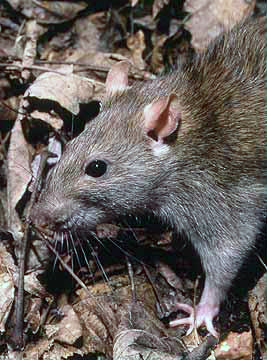 Brown RatRattus norvegicus
-
 Black RatRattus rattus
-
 Polynesian RatRattus exulans
-
 RakaliHydromys chrysogaster
-
 Wood MouseApodemus sylvaticus
-
 Eurasian Harvest MouseMicromys minutus
-
 Bramble Cay MelomysMelomys rubicola
-
 Greater Bandicoot RatBandicota indica
Compare
Questions and answers
What is the scientific name of the Indian Gerbil?
The scientific name of the Indian Gerbil is Tatera indica. Written with its author, the full name is Tatera indica (Hardwicke, 1807).
Which family does the Indian Gerbil belong to?
Tatera indica belongs to the family Muridae, in the order Rodentia and the class Mammalia.
Where is the Indian Gerbil found?
Checklists and occurrence records place Tatera indica in 11 countries, including Pakistan, India, Iran, Syria, Afghanistan and Sri Lanka.
What is the conservation status of the Indian Gerbil?
The IUCN Red List category recorded for Tatera indica is Least Concern (LC).
What other names does the Indian Gerbil have?
Tatera indica is also known in English as Antelope Rat and Indian Gerboa Rat.
Are gerbils omnivores?
The Indian Gerbil is omnivorous and consumes plants, grains, seeds, insects, reptiles, small birds, and small mammals.[21]
Sources
Passages the profile rests on
- The dorsal fur, including the head, is light brown or light brown with a rusty wash. Source passage: “Dorsal surface including entire head is light brown or light brown with rusty wash.” — English Wikipedia
- The underparts are white. Source passage: “Underparts are white.” — English Wikipedia
- The tail is fully furred and dark blackish brown, with grayish sides and a prominent black tuft at its tip. Source passage: “Tail fully furred, dark blackish brown with grayish sides and prominent black tuft on tip.” — English Wikipedia
- The body fur is soft and sparse underneath, while the tail fur is longer. Source passage: “Fur on body soft, sparse underneath; tail fur is longer.” — English Wikipedia
- The species has large, prominent eyes. Source passage: “Eyes are large and prominent.” — English Wikipedia
- The species has elongated, naked ears and hairless, pigmented foot soles. Source passage: “The soles of the feet are hairless and pigmented, as in other members of the genus Tatera , while the ears are also naked and elongated.” — animaldiversity.org
- Head and body length ranges from 17 to 20 cm. Source passage: “Head and body length is 17–20 cm.” — English Wikipedia
- Body mass ranges from 100 to 227 grams. Source passage: “Body mass ranges from 100 to 227 grams” — animaldiversity.org
- The species prefers sandy plains and grasslands that support extensive burrowing. Source passage: “Tatera indica individuals prefer sandy plains and grasslands that allow extensive burrowing.” — animaldiversity.org
- The species frequently occurs near agricultural fields. Source passage: “and are found frequently near agricultural fields.” — animaldiversity.org
- The species generally avoids areas with very low rainfall or cold temperatures. Source passage: “These gerbils are generally not found in areas with very low rainfall or cold temperatures.” — animaldiversity.org
- The species occupies a wide variety of habitats when sufficient suitable food is available. Source passage: “They occupy almost any kind of habitat if there is enough suitable food” — animaldiversity.org
- The species constructs extensive burrows containing chambers for resting, food storage, and sleeping. Source passage: “They will dig extensive burrows with chambers for resting, food storage, and sleeping.” — animaldiversity.org
- The burrow system has a simple Y shape with two surface openings. Source passage: “The burrow system is of a simple 'Y' shape with two surface openings.” — animaldiversity.org
- Burrow depth shifts seasonally from approximately 35 cm in winter to 45–50 cm in summer. Source passage: “There is a seasonal shift in burrow depth from approximately 35cm in winter to 45 to 50cm in the summer” — animaldiversity.org
- The species is nocturnal and generally remains close to its burrows. Source passage: “Indian gerbils are nocturnal and do not move far from their burrows.” — animaldiversity.org
- Individuals generally occupy separate burrows but live in loose communities with extensively overlapping home ranges. Source passage: “These gerbils live in loose communities with each burrow occupied by a single gerbil, except when young are present. Home ranges of individuals overlap extensively.” — animaldiversity.org
- Individuals engage in wrestling, chasing, and boxing with other gerbils. Source passage: “Tatera indica engage in social activities in which animals will wrestle, chase, and box with other gerbils.” — animaldiversity.org
- The species can leap several metres into the air when surprised. Source passage: “They are also very fast and can leap meters into the air when surprised.” — animaldiversity.org
- Population numbers peak during the monsoon season from March through September and reach their lowest level in January. Source passage: “Populations of this species reach their peak in the monsoon season (March through September) and are at their lowest in January.” — animaldiversity.org
- The species is omnivorous and consumes grains, seeds, plants, roots, insects, reptiles, small birds, and small mammals. Source passage: “Omnivorous. Known to eat grains, seeds, plants, roots, insects, reptiles and even small birds and mammals it can catch.” — English Wikipedia
- The diet includes grasses, leaves, roots, and grains. Source passage: “The diet of Indian gerbils consists of grasses, leaves, roots, and grains.” — animaldiversity.org
- The species consumes grubs, insects, and nestling ground birds. Source passage: “They also eats grubs, insects, and nestling ground birds.” — animaldiversity.org
- During the wet season, insects and other arthropods can account for as much as 40% of the diet. Source passage: “During the wet season insect availability increases and the proportion of insects and other arthropods in their diet rises to as high as 40%.” — animaldiversity.org
- The species stores grain in its burrows for consumption during the dry season. Source passage: “T. indica store grain in their burrows for consumption in the dry season” — animaldiversity.org
- The species has been documented killing and eating smaller rodents and other mammals. Source passage: “This species has also been known to kill and eat smaller rodents and other mammals.” — animaldiversity.org
- Cannibalism of young occurs in both wild and captive populations. Source passage: “Cannibalism on young is common in both captivity and the wild.” — animaldiversity.org
- Males and females generally live apart. Source passage: “Both the sexes of this species lives apart.” — English Wikipedia
- The estrous cycle lasts approximately 4.5 days under laboratory conditions. Source passage: “Duration of the estrous cycle was found to be 4.5 days in the laboratory.” — animaldiversity.org
- The gestation period ranges from 21 to 30 days. Source passage: “The gestation period for T. indica ranges from 21 to 30 days” — animaldiversity.org
- Litters contain between 1 and 10 young, with 5 to 6 being the most common litter size. Source passage: “with litter size ranging from 1 to 10 young, with 5 to 6 being the most common number of young per litter.” — animaldiversity.org
- Young are born in a nest chamber inside a burrow in a relatively helpless condition. Source passage: “The young are born in a relatively helpless state in a nest chamber in a burrow.” — animaldiversity.org
- The eyes of young open at approximately 14 days of age. Source passage: “Their eyes open at 14 days old.” — animaldiversity.org
- Young become independent as early as 21 days of age. Source passage: “Young Indian gerbils are independent as early as 21 days of age” — animaldiversity.org
- Sexual maturity can be reached as early as 10 weeks of age, with females maturing earlier than males. Source passage: “reach sexual maturity as early as 10 weeks of age. Females attain sexual maturity earlier than males.” — animaldiversity.org
- The species is not listed by CITES or the IUCN. Source passage: “Tatera indica is not listed by CITES or the IUCN” — animaldiversity.org
- The species is described as abundant throughout its range. Source passage: “they are the most common species of gerbil in the Indian subcontinent and are abundant throughout their range.” — animaldiversity.org
- A captive individual has been recorded living for seven years. Source passage: “A captive Tatera indica lived for 7 years.” — animaldiversity.org
- Most wild individuals do not survive their first year, and adults probably live only a few years. Source passage: “In the wild, however, most individuals don't survive their first year of life and adults probably live only a few years.” — animaldiversity.org
- Indian gerbils are hunted for food in southern India. Source passage: “Indian gerbils are also hunted for food in southern India.” — animaldiversity.org
- The species consumes large quantities of insects that are potential agricultural pests. Source passage: “These gerbils consume large quantities of insects which are potential agricultural pests.” — animaldiversity.org
- The species is considered an agricultural pest, particularly where grain is stored. Source passage: “Tatera indica are crop pests, especially in areas where grain is stored.” — animaldiversity.org
- The species can damage seeds, sprouts, mature plants, corn ears, and orchard saplings. Source passage: “The animals will feed on seeds, sprouts, mature plants, ears of corn, and saplings in orchards.” — animaldiversity.org
Data
- Catalogue of Life, 2026-10-16 XR cc by
- Global Biodiversity Information Facility CC BY 4.0
- Wikidata CC0
- GeoNames CC BY 4.0
- Wikimedia Commons per image; credit shown with each image
- Within the Catalogue of Life, this name comes from The Integrated Taxonomic Information System cc0
References
- Trans. Linn. Soc. Lond. vol.8 p.279 where the name was published
- Ellerman, J. R., and T. C. S. Morrison-Scott. (1966). Checklist of Palaearctic and Indian Mammals 1758 to 1946, 2nd Edition.
- Wilson, Don E., and DeeAnn M. Reeder, eds. (1993). Mammal Species of the World: A Taxonomic and Geographic Reference, 2nd Ed., 3rd Printing.
- Wilson, Don E., and F. Russell Cole. (2000). Common Names of Mammals of the World.
- Musser, Guy G., and Michael D. Carleton / Wilson, Don E., and DeeAnn M. Reeder, eds. (2005). Superfamily Muroidea. Mammal Species of the World: A Taxonomic and Geographic Reference, 3rd Ed., Vol. 2.
This species in other databases
Page built on 28 November 2026. See how the catalog is made and all sources and licences.
Cite this page
ScientificNames.org. (2026). Tatera indica (Indian Gerbil). Retrieved November 28, 2026, from https://scientificnames.org/species/tatera-indica
“Tatera indica (Indian Gerbil).” ScientificNames.org, 2026, scientificnames.org/species/tatera-indica. Accessed 28 Nov. 2026.
ScientificNames.org. “Tatera indica (Indian Gerbil).” Accessed November 28, 2026. https://scientificnames.org/species/tatera-indica.
@misc{scientificnames_tatera_indica_indian_gerbil,
  author = {{ScientificNames.org}},
  title = {Tatera indica (Indian Gerbil)},
  year = {2026},
  url = {https://scientificnames.org/species/tatera-indica},
  note = {Accessed 2026-11-28}
}