Species · Mammals · Extinct
Argentinean Warrah Dusicyon avus
The scientific name of the Argentinean Warrah is Dusicyon avus. It is an extinct species of mammal in the family Canidae (dogs), order Carnivora. The name dates from 1866.

Overview
The Argentinean Warrah (Dusicyon avus) was an extinct mammal in the family Canidae, order Carnivora, and class Mammalia. It occurred across the Pampas and Patagonia in south-central and southern South America. It was morphologically similar to jackals and had a predominantly carnivorous diet compared with living foxes.
Written 26 November 2026 from the sources listed below. Each statement was checked against the passage it cites; statements that could not be supported were removed.
Appearance
The Argentinean Warrah was morphologically similar to jackals.[1]
It was approximately the size of a German Shepherd and a coyote.[2][3]
Habitat
Fossils of the Argentinean Warrah have been found in the Luján Formation of Argentina and the Chui Formation of Brazil.[4][5]
Fossils have also been found in Milodón Cave in Chile and the Sopas Formation of Uruguay.[6][7]
Diet
The Argentinean Warrah had a predominantly carnivorous diet compared with living foxes. It probably preyed mainly on small mammals.[8][9]
It also scavenged large animal carcasses.[10]
Behaviour
The Argentinean Warrah may have been kept as a pet by prehistoric humans and may have been regarded as part of a human social group.[11][12]
Uses
Dusicyon remains were used for ritual purposes by Indigenous peoples during the Late Holocene.[13]
Dusicyon remains, particularly teeth, occur at numerous archaeological sites.[14]
Similar species
The Argentinean Warrah was closely related to the Falkland Islands wolf (Dusicyon australis). The Falkland Islands wolf descended from a population of Dusicyon avus.[15][16]
The genetic divergence between Dusicyon australis and Dusicyon avus occurred between approximately 31,000 and 8,000 years BP.[17]
Conservation
The Argentinean Warrah is extinct. Its last recorded appearance in the Pampean Region dates to approximately 700 years BP, while its last recorded appearance in southernmost Patagonia dates to approximately 400 years BP.[18][19][20]
Its estimated geographic range was approximately 762,351 square kilometres. Fossils have been recorded in Argentina, Brazil, Chile and Uruguay.[21][22]
The extinction of the Argentinean Warrah has no established single cause. Available evidence does not establish climatic change or hybridisation with domestic dogs as the cause.[23][24][25]
Tested samples indicate low genetic diversity despite its extensive geographic range. A combination of climatic and human-related factors is considered a likely contributor to its extinction.[26][27]
Classification of the Argentinean Warrah
| Kingdom | Animalia |
|---|---|
| Phylum | Chordata |
| Subphylum | Vertebrata |
| Infraphylum | Gnathostomata |
| Parvphylum | Osteichthyes |
| Megaclass | Tetrapoda |
| Class | Mammalia (Mammal) |
| Subclass | Theria |
| Infraclass | Eutheria |
| Order | Carnivora (Carnivores) |
| Suborder | Caniformia (Dog-like Carnivores) |
| Family | Canidae (Dogs) |
| Genus | Dusicyon (Warrahs) |
| Species | Dusicyon avus (Burmeister, 1866) |
Where the Argentinean Warrah is found
Checklists place Dusicyon avus in South America.
Range as the checklists state it
South America
A number beside a place is its count of GBIF occurrence records. A place without a number comes from a checklist alone. Records show where a species has been observed or collected, which can include escapes and vagrants.
Common names
English
- Argentinean Warrah
- Argentinian Warrah
Names in 1 other language
- Spanish
- Zorro-lobo continental
Synonyms
One other scientific name has been used for this species and is now treated as a synonym of Dusicyon avus.
- Canis avus Burmeister, 1866
Related species
-
 Falkland Islands WolfDusicyon australis
- DogCanis familiaris
-
 WolfCanis lupus
-
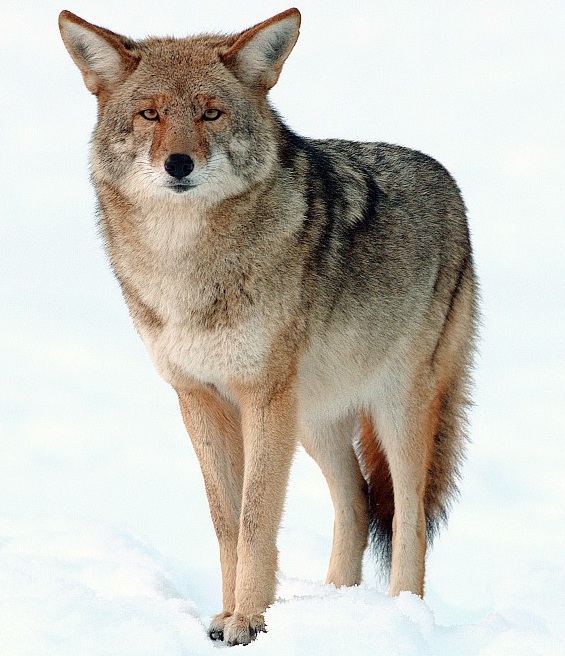 CoyoteCanis latrans
-
 Red FoxVulpes vulpes
-
 Japanese Raccoon DogNyctereutes viverrinus
-
 African Wild DogLycaon pictus
-
 Maned WolfChrysocyon brachyurus
Compare
Questions and answers
What is the scientific name of the Argentinean Warrah?
The scientific name of the Argentinean Warrah is Dusicyon avus. Written with its author, the full name is Dusicyon avus (Burmeister, 1866).
Which family does the Argentinean Warrah belong to?
Dusicyon avus belongs to the family Canidae, in the order Carnivora and the class Mammalia.
What is the conservation status of the Argentinean Warrah?
The IUCN Red List category recorded for Dusicyon avus is Extinct (EX).
What other names does the Argentinean Warrah have?
Dusicyon avus is also known in English as Argentinian Warrah.
When did warrah go extinct?
The last recorded appearance of the Argentinean Warrah in the Pampean Region dates to approximately 700 years BP. In southernmost Patagonia, its last recorded appearance dates to approximately 400 years BP.[19][20]
How did the warrah go extinct?
The extinction of the Argentinean Warrah has no established single cause. A combination of climatic and human-related factors is considered a likely contributor, although available evidence does not establish climatic change or hybridisation with domestic dogs as the cause. Tested samples also indicate low genetic diversity despite its extensive geographic range.[23][24][25][26][27]
Sources
Passages the profile rests on
- Dusicyon avus was morphologically similar to jackals. Source passage: “Morphologically, D. avus and D. australis are most similar to jackals” — English Wikipedia
- Dusicyon avus was approximately the size of a German Shepherd. Source passage: “It was medium to large, about the size of a German Shepherd.” — English Wikipedia
- Dusicyon avus was approximately the size of a coyote. Source passage: “Dusicyon avus was around the size of a coyote” — English Wikipedia
- Fossils of Dusicyon avus have been found in the Luján Formation of Argentina. Source passage: “Its fossils have been found in the Luján Formation of Argentina” — English Wikipedia
- Fossils of Dusicyon avus have been found in the Chui Formation of Brazil. Source passage: “the Chui Formation of Brazil” — English Wikipedia
- Fossils of Dusicyon avus have been found in Milodón Cave in Chile. Source passage: “the Milodón Cave in Chile” — English Wikipedia
- Fossils of Dusicyon avus have been found in the Sopas Formation of Uruguay. Source passage: “the Sopas Formation of Uruguay.” — English Wikipedia
- Dusicyon avus had a predominantly carnivorous diet compared with living foxes. Source passage: “Its diet seems to have been more carnivorous than extant foxes” — English Wikipedia
- Dusicyon avus probably preyed mainly on small mammals. Source passage: “probably mostly preying on small mammals” — English Wikipedia
- Dusicyon avus also scavenged large animal carcasses. Source passage: “but also scavenging on large carcasses.” — English Wikipedia
- Dusicyon avus may have been kept as a pet by prehistoric humans. Source passage: “It may have been kept as a pet” — English Wikipedia
- Dusicyon avus may have been regarded as part of a human social group. Source passage: “and been considered part of the human social group.” — English Wikipedia
- Dusicyon remains were used for ritual purposes by Indigenous peoples during the Late Holocene. Source passage: “Dusicyon was used for ritual purposes by aboriginal peoples in the Late Holocene” — English Wikipedia
- Dusicyon remains, particularly teeth, occur at numerous archaeological sites. Source passage: “its remains, usually teeth, are found in many archaeological sites.” — English Wikipedia
- Dusicyon avus was closely related to the Falkland Islands wolf (Dusicyon australis). Source passage: “It was closely related to the Falkland Islands wolf (Dusicyon australis)” — English Wikipedia
- The Falkland Islands wolf descended from a population of Dusicyon avus. Source passage: “which descended from a population of D. avus.” — English Wikipedia
- The genetic divergence between Dusicyon australis and Dusicyon avus occurred between approximately 31,000 and 8,000 years BP. Source passage: “Genetic evidence indicates that D. australis diverged from Dusicyon avus, a South American mainland species of fox, between 31 and 8 thousand years (ka) BP” — pmc.ncbi.nlm.nih.gov
- Dusicyon avus is extinct. Source passage: “Dusicyon avus is an extinct species of canid” — English Wikipedia
- The last recorded appearance of Dusicyon avus in the Pampean Region dates to approximately 700 years BP. Source passage: “the last appearance datum in the Pampean Region being 700 BP” — English Wikipedia
- The last recorded appearance of Dusicyon avus in southernmost Patagonia dates to approximately 400 years BP. Source passage: “and southernmost Patagonia at 400 years BP” — English Wikipedia
- The estimated geographic range of Dusicyon avus was approximately 762,351 square kilometres. Source passage: “with an estimated range of around 762 351 km².” — English Wikipedia
- Dusicyon avus fossils have been recorded in Argentina, Brazil, Chile and Uruguay. Source passage: “the Luján Formation of Argentina, the Chui Formation of Brazil, the Milodón Cave in Chile and the Sopas Formation of Uruguay.” — English Wikipedia
- The extinction of Dusicyon avus has no established single cause. Source passage: “The extinction of D. avus as opposed to the naive D. australis is mysterious” — English Wikipedia
- Available evidence does not establish climatic change as the cause of Dusicyon avus extinction. Source passage: “There is no compelling evidence that climatic change was the cause of the extinction” — English Wikipedia
- Available evidence does not establish hybridisation with domestic dogs as the cause of Dusicyon avus extinction. Source passage: “nor any evidence that hybridisation with domestic dogs was the cause” — English Wikipedia
- Tested samples of Dusicyon avus indicate low genetic diversity despite its extensive geographic range. Source passage: “D. avus, despite its wide range, has a low genetic diversity in tested samples” — English Wikipedia
- A combination of climatic and human-related factors is considered a likely contributor to the extinction of Dusicyon avus. Source passage: “It is likely that a combination of both climatic and anthropogenic factors was the cause of their demise.” — English Wikipedia
Data
- Catalogue of Life, 2026-10-16 XR cc by
- Wikidata CC0
- Wikimedia Commons per image; credit shown with each image
- Within the Catalogue of Life, this name comes from The Integrated Taxonomic Information System cc0
References
- Burgin, Connor J., Don E. Wilson, Russell A. Mittermeier, Anthony B. Rylands, et al. (2020). Illustrated Checklist of the Mammals of the World. Vol. 1. Monotremata to Rodentia.
This species in other databases
Page built on 26 November 2026. See how the catalog is made and all sources and licences.
Cite this page
ScientificNames.org. (2026). Dusicyon avus (Argentinean Warrah). Retrieved November 26, 2026, from https://scientificnames.org/species/dusicyon-avus
“Dusicyon avus (Argentinean Warrah).” ScientificNames.org, 2026, scientificnames.org/species/dusicyon-avus. Accessed 26 Nov. 2026.
ScientificNames.org. “Dusicyon avus (Argentinean Warrah).” Accessed November 26, 2026. https://scientificnames.org/species/dusicyon-avus.
@misc{scientificnames_dusicyon_avus_argentinean_warrah,
  author = {{ScientificNames.org}},
  title = {Dusicyon avus (Argentinean Warrah)},
  year = {2026},
  url = {https://scientificnames.org/species/dusicyon-avus},
  note = {Accessed 2026-11-26}
}